
Unbiased headlines. Facts, not spin.
Unbiased Headlines is an independently owned news organization. We bring you the facts, not opinions, written fresh from 110+ named sources. Sources linked so you can verify it yourself.
 economy
Major Story (7/10)
Court filings: Commerce lawyer told Intel the 10% government stake was 'not a negotiation'
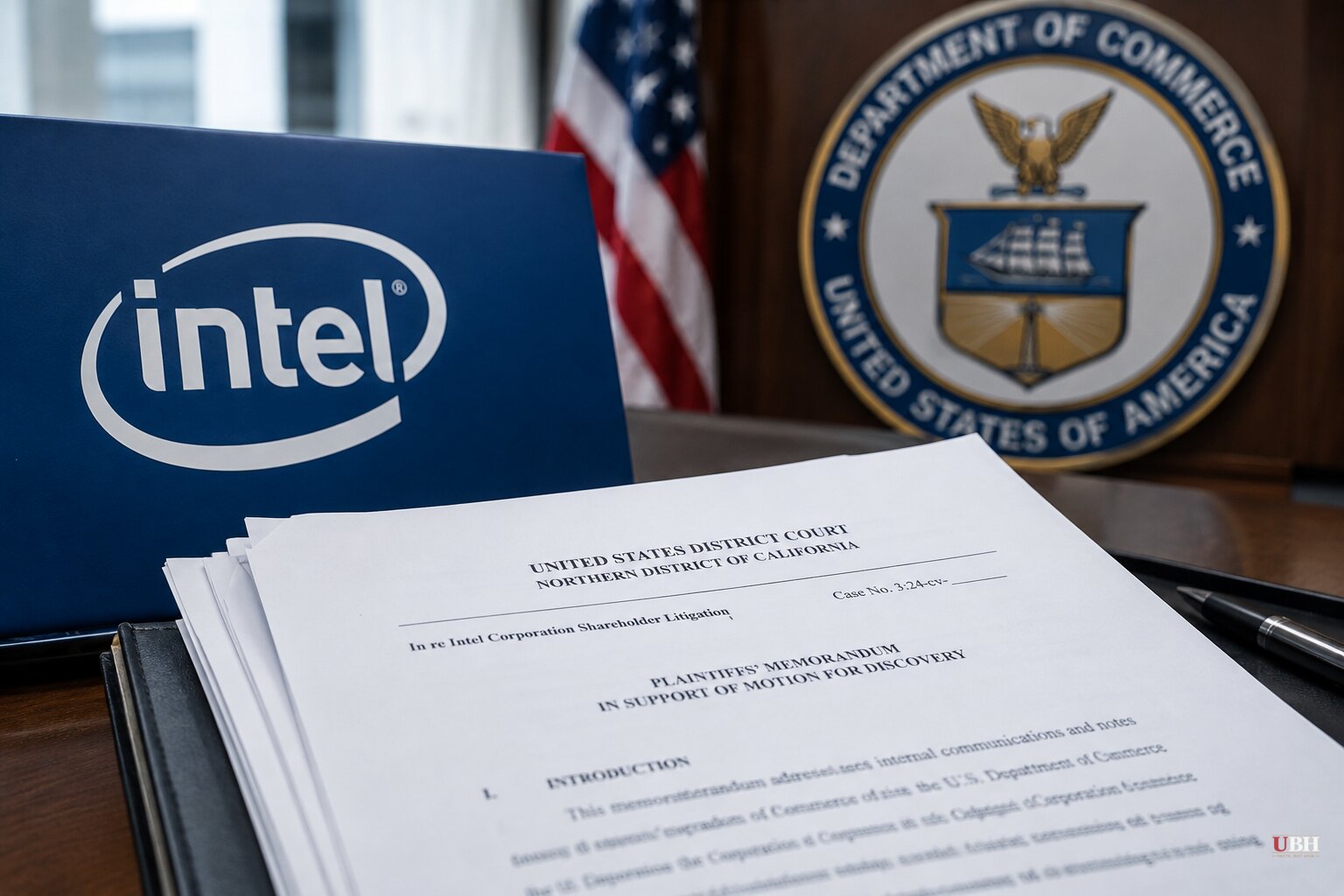
In August 2025, a Commerce Department lawyer told Intel's chief financial officer not to make the "mistake of thinking that this is a negotiation." That account comes from internal Intel notes cited in a federal shareholder lawsuit, according to Wired, which reported on the unredacted filings.
The lawyer, David Shapiro, said Trump expected to announce a deal that Friday, according to those notes. A summary prepared for Intel's directors says Shapiro acknowledged the board could reject the offer but warned that "rejection will have consequences that [Shapiro] cannot predict." Days later, the board agreed.
What the government got
The deal was announced August 22, 2025. Washington converted roughly $8.9 billion in CHIPS-era grants that Intel had won but not yet received into 433.3 million newly issued Intel shares at $20.47 each. That works out to about $8.87 billion and a stake of roughly 9.9%, making the government Intel's largest shareholder.
Intel received $5.7 billion in upfront cash from the converted grants and was released from certain obligations tied to them. The stake is passive, with no board seat and no governance rights. A five-year warrant lets the government buy roughly 5% more if Intel's ownership of its foundry unit falls below 51%.
Trump posted that the US "owned and controlled" 10% of Intel, had paid nothing for it, and held a stake worth about $11 billion. By November 2026, the stake was valued at roughly $23.75 billion, against the $8.87 billion cost basis.
That is the strongest argument for the arrangement. Taxpayers hold equity in a company whose grants they had already promised, and the paper gain is large.
How the pressure started
The path to the deal ran through Intel CEO Lip-Bu Tan. Reuters reported that Tan had invested in hundreds of Chinese technology firms, some linked to Beijing's military. Trump called for him to resign.
Tan's former firm, Cadence Design Systems, had pleaded guilty to selling semiconductor designs to a restricted Chinese military university and agreed to pay more than $140 million in fines. Tan was not personally charged.
On August 11, Tan met Trump, Commerce Secretary Howard Lutnick and Treasury Secretary Scott Bessent. According to a letter Tan shared with Intel's board, he offered to give up his China holdings and put any proceeds in a blind trust. Trump later said he proposed the 10% stake during that meeting.
Under the Biden administration, Intel had won awards of up to $11 billion in grants and contracts, much of it under the CHIPS Act. By March 2025 it had received about $2.2 billion. The rest was on hold while the Trump administration said it was renegotiating the deals.
The lawsuit
Intel shareholder Richard Paisner brought the suit. It alleges the board acted under the shadow of Trump's threats and "caved to the government's extortion." Those are the plaintiff's allegations, and the case is pending. No court has ruled on them.
The notes also show the board was told it could say no. It did not.
Intel's own annual filing flags the risks. It says issuing shares to the government diluted existing investors and reduced their voting influence. It warns that Washington's interests may not always match those of ordinary shareholders. It also says foreign regulators might impose restrictions because the US government is now a significant shareholder.
Nvidia is next on the table
On Monday, November 23, Trump said he had "convinced" Nvidia's board to rehire CEO Jensen Huang. Media reports say Huang was ousted after revelations about an affair with a woman suspected of spying for Beijing. Those reports also say Trump joined a board call to press the case and assured directors Huang would face no Justice Department action. That is based on media reports, and the White House has not been quoted confirming those details here.
Nvidia shares jumped 31.48% Monday. They closed Tuesday at $155.38, down 5.86%.
In an interview with the New York Post published after Tuesday's close, Trump said he had considered a US government stake in Nvidia and left open a pardon for Huang. He cited Intel as precedent. Neither a stake nor a pardon has been agreed, and no terms have been disclosed.
Ann Lipton, a University of Colorado Boulder law professor, told AFP the Nvidia episode has "no precedent." "Trump decides the companies that he favors, and that is contrary to how capitalism is supposed to operate," she said.
There is a difference between the two cases. The government had no financial ties to Nvidia. Intel's stake came from grants the government already owed.
Trump told the Wall Street Journal the Nvidia share surge "really shows the decision was right." The Financial Times reported that the value of Trump's personal Nvidia stake rose by $15 million. The White House has said Trump does not manage his own portfolio and that there are no grounds to suspect insider trading.
Nvidia reportedly donated $25 million toward the White House ballroom. No source ties that donation to the Huang episode.
The dilution math
Structure matters for shareholders. Buying existing shares would not dilute anyone. A 10% stake created entirely from new shares would expand the share count by about 11.1%, which cuts earnings per share and each holder's ownership percentage.
The administration has pushed the equity-for-funding model well beyond chips. The government has reportedly picked up stakes in 41 companies, with Intel the largest by value.
Two things are open. Paisner's suit, which rests on the lawyer's "not a negotiation" notes, is still pending against Intel's board. And Trump has not said whether the Nvidia stake would come from newly issued shares or from existing ones.
Sources used for this briefing
7 links from 7 independent newsrooms (syndicated copies of the same report count once)
These are the sources it draws on, linked so you can verify.


