
Unbiased headlines. Facts, not spin.
Every story is an unbiased news briefing written from 110+ sources across the spectrum — sources linked so you can verify it yourself.
 economy
Major Story (7/10)
August 16, 2026 at 09:37 AM
economy
Major Story (7/10)
August 16, 2026 at 09:37 AM
Tyson Shuts Down Two More Beef Plants as Cattle Supply Hits 75-Year Low
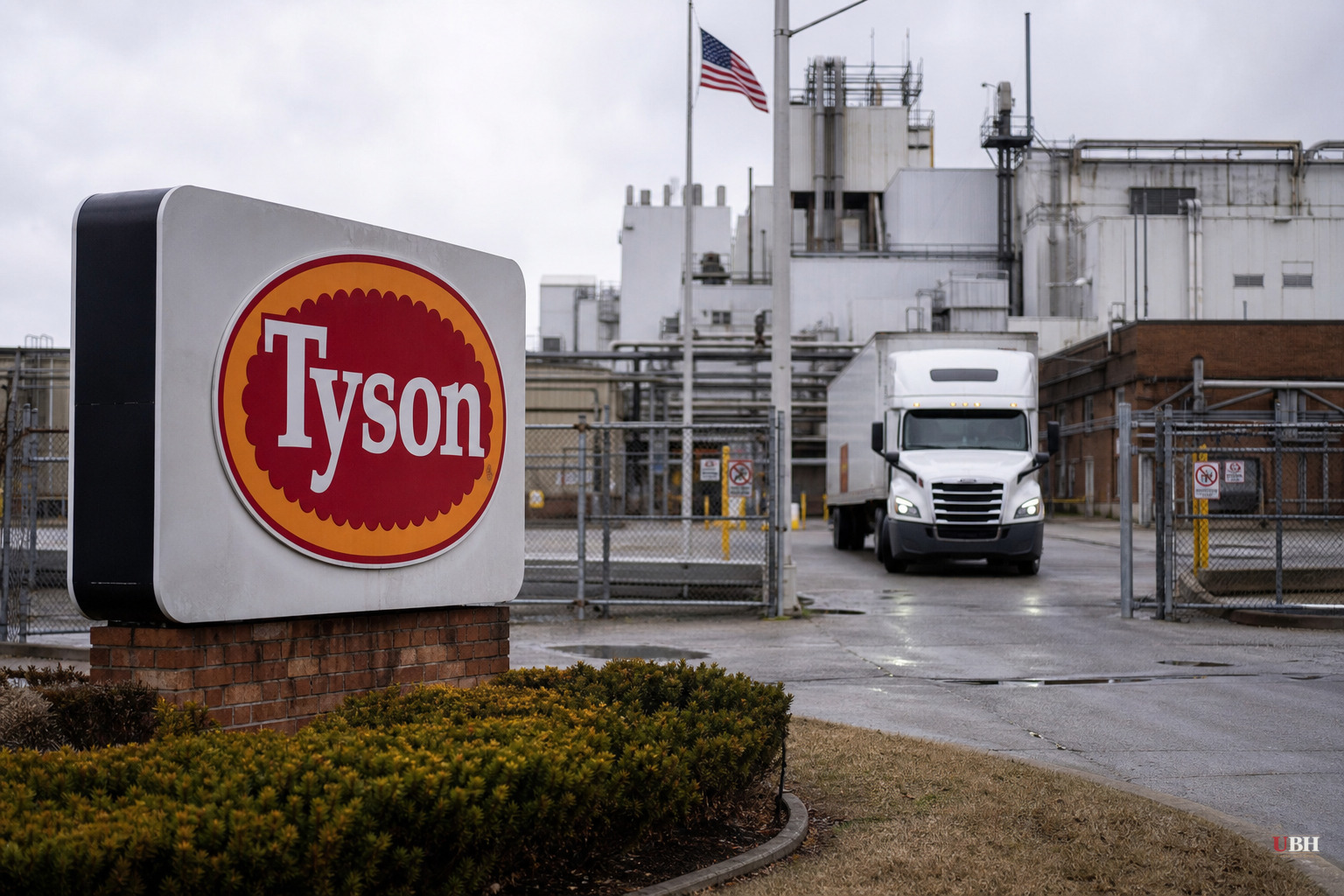
Tyson Foods is closing two more beef plants and trying to sell a third. The company announced Thursday, August 13, that it's ending operations at its Joslin, Illinois, beef plant and its Eagle Mountain, Utah, case-ready facility, while shopping around its beef plant in Pasco, Washington, for a buyer, according to a company news release.
This is the latest move in a restructuring push that's been grinding through Tyson's beef division for over a year. Last fall the company shut down a major plant in Lexington, Nebraska, that displaced more than 3,000 workers, according to Food Dive.
The numbers explain why. Tyson's beef segment posted an operating loss of $138 million in its latest quarter, Food Dive reported. The San outlet, citing the Wall Street Journal, put the figure at $142 million and noted beef division sales fell 16% year over year despite higher retail prices. The beef unit is hemorrhaging money and Tyson just cut its annual profit outlook, forecasting even deeper losses ahead, according to Transport Topics.
The Joslin closure will cost roughly 2,500 union jobs, according to a joint statement from Illinois Democratic Senators Dick Durbin and Tammy Duckworth and Democratic Rep. Eric Sorensen. Duckworth called it "devastating for the 2,500 skilled union workers impacted by the closure of the Tyson plant in Joslin, especially at a time when American families are struggling with the rising cost of living." The Eagle Mountain, Utah, facility had been built to employ between 800 and 1,200 workers when Tyson opened it a few years back, according to Food Dive.
For workers, the timing stung. Marydel Lewis, who worked at the affected plant, told KSL she thought she was getting a bonus for her five-year anniversary. Instead she got a layoff notice. "It's hard to take in," she said. "It's like, is it true?"
Why the herd won't rebuild fast
The U.S. cattle herd has fallen to its lowest level in roughly 75 years, according to the San, driven by years of drought that shrank grazing land and made rebuilding herds expensive. The issue is rooted in biology and weather, not corporate decision-making.
Tyson pointed directly to USDA data showing "continued evidence of limited heifer retention," meaning ranchers are still slaughtering young female cattle rather than keeping them to breed the next generation. Cattle take years to mature and reproduce, so even if ranchers decided today to rebuild, the payoff wouldn't show up in the supply chain for a long while.
Fox Business also reported the New World screwworm, a flesh-eating pest, has resurfaced and complicated U.S. beef imports from Mexico, adding another drag on supply. Tyson CEO Donnie King said on an earnings call that even reopening trade at the southern border "will not solve the entire gap of beef losses we are currently seeing," according to Food Dive.
Barclays analysts, led by Benjamin Theurer, estimated Tyson's daily slaughter capacity has dropped by about 10,000 head since the start of 2025, down to somewhere between 18,000 and 20,000 animals a day even with full double shifts at its Amarillo, Texas, plant, according to Insurance Journal.
The consumer side of the squeeze
Retail beef prices hit an all-time high average of $9.64 per pound in April, according to the American Farm Bureau Federation. Inflation-fatigued shoppers are starting to cut back. Total U.S. meat department sales dropped 2.3% in June, per Circana data cited by multiple outlets.
Tyson isn't alone in restructuring. JBS closed two plants earlier this year and named a new CEO after posting a $102 million net loss in its beef business, according to Food Dive. Cargill previously closed a Milwaukee facility. National Beef CEO Tim Klein said on a Friday earnings call that the industry's cuts over the past two years have brought supply and demand "into a better balance," adding he believes "the most challenging part of the phase of the cycle is now behind us," according to Insurance Journal.
Wall Street seemed to agree, at least short-term. Tyson shares rose in premarket trading on August 14, and meatpacking stocks broadly ticked up that Friday, Insurance Journal reported, even as the same company was cutting its own profit forecast days earlier.
What comes next
Tyson says it will consolidate its beef operations around three central plants: Amarillo, Texas; Holcomb, Kansas; and Dakota City, Nebraska. It will restart a second shift in Amarillo, where it had cut roughly 1,760 jobs during an earlier consolidation, according to the Independent. The company says displaced Joslin and Eagle Mountain workers will get help applying for openings elsewhere in the network, though it hasn't specified how many will actually get placed.
The unresolved question is timing. USDA's July 1 cattle count showed ranchers modestly retaining more heifers, a sign of slow rebuilding, but Transport Topics reported that "sizable growth will still take more time." Until the national herd actually grows, beef prices, plant closures, and job losses will keep tracking the same painful line.
Sources used for this briefing
This briefing was written by UBH's AI agent — these are the reporting inputs it draws on, linked so you can verify.


