
Original briefings. Zero spin.
Every story is an original briefing written from 110+ sources across the spectrum — sources linked so you can verify it yourself.
 defense
Notable (6/10)
September 13, 2026 at 07:24 AM
defense
Notable (6/10)
September 13, 2026 at 07:24 AM
Two Years After Russia's Kursk Incursion, Hundreds of Civilians Remain Unaccounted For as Kyiv Faces Its Own Accountability Crisis Over Deadly Ammo Storage
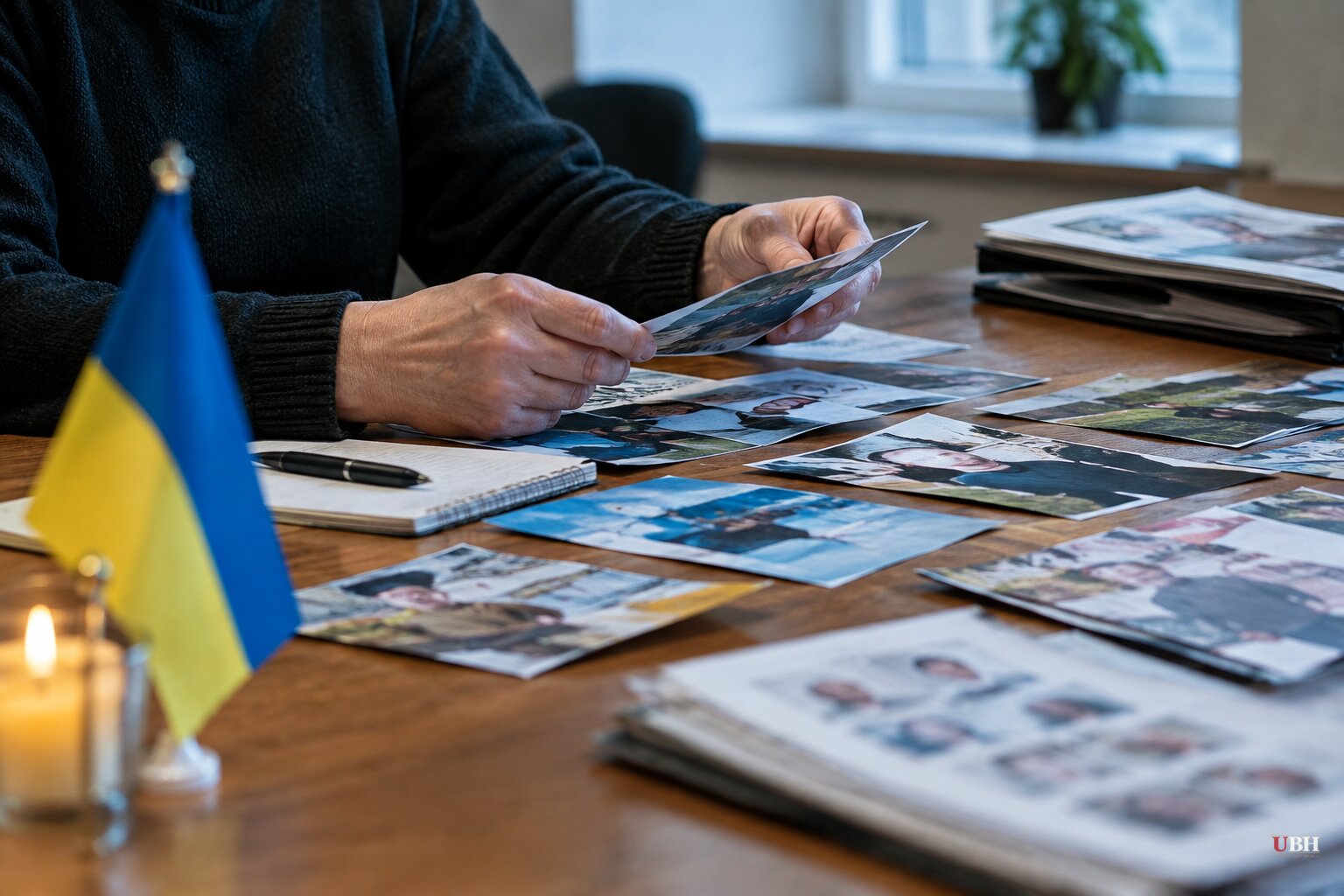
Lyubov spent more than a year not knowing where her mother's body was. She found out last October, in a mortuary in the Russian city of Kursk, when an official turned his laptop screen toward her and she recognized her mother lying in a street in the village of Darino, photographed in April 2025. The woman had been dead and unidentified for months because, Lyubov says, the DNA sample she provided in January was lost. Her mother's ashes now sit in Lyubov's apartment in Belgorod, because burial back in her home village is impossible, according to the BBC.
That is the human cost, more than two years on, of Ukraine's August 2024 incursion into Russia's Kursk region. In six days, Ukrainian forces seized more than 777 square kilometers of Russian territory, took roughly 40 prisoners at two border checkpoints, and bombed a Russian military convoy, according to the BBC. Around 2,000 civilians stayed behind in the captured settlements, Russian authorities estimate. The Kursk governor now says more than 300 of them are still missing, and nobody, including the BBC's reporting partner Europe Says, believes that figure is complete.
Families describe a Russian state that did almost nothing to help them find answers. Nearly 200 residents wrote directly to Vladimir Putin, Volodymyr Zelensky, and the United Nations asking for a humanitarian corridor to evacuate civilians still trapped in the war zone. It never happened, according to the BBC. Russia's human rights commissioner eventually published a list of 517 missing Kursk residents in early 2025, but the list confused the names of missing people with the names of relatives searching for them, something families called a "slap in the face."
Village council head Yuri Tkachev told Europe Says he and other volunteers retrieved civilian bodies from streets and fields themselves, paying for body bags and fuel out of pocket or through donations, because the government didn't. Regional officials met with the families' search group several times in the second half of 2025, but relatives say it changed little. The Kursk governor, Russia's human rights commissioner, and the Russian Red Cross did not respond to the BBC's requests for comment.
Ukraine's Territorial Defence Forces and Ukraine's human rights commissioner told the BBC that all civilians they evacuated from Kursk were handed over to Russia. That leaves an open question neither side has resolved: what happened to the roughly 2,000 who didn't leave, and how many of the hundreds still missing are dead, captive, or simply lost in a system that stopped keeping reliable records once mobile and internet service went dark for eight months.
Russia's own conscripts paid a price too. An investigation by IStories and Verstka found at least 77 Russian conscripts died in the Kursk border zone in 2024, with more than 30 still listed as missing. Russian authorities are still, as of this year, formally registering conscripts who disappeared two years ago as dead, the outlets reported. Russia's foreign ministry has repeatedly accused Ukraine of war crimes against civilians during the incursion, allegations Kyiv rejects as unfounded and which have not been independently verified in these sources.
Kyiv's Own Negligence Problem
Ukraine is not free of accountability failures of its own. In late August, Russian strikes near Kyiv killed at least 37 people in one of the deadliest attacks on Ukraine this year, according to the Associated Press. A strike hit a warehouse in the village of Myla, triggering a detonation that sparked a fire tearing through the Bucha district and damaging more than 50 residential buildings, Bucha regional military administration head Tymur Tkachenko said.
Zelensky confirmed the warehouse was struck and said storing ammunition near civilian homes violates Ukrainian law. He announced criminal proceedings and said "those who allowed this to happen must be held accountable." Ukrainian Prime Minister Yuliia Svyrydenko went further, linking it to a July strike on an ammunition depot in the Kyiv suburb of Vyshneve that killed 22 people. "In the fifth year of a full-scale invasion, making the same mistakes is criminal negligence," Svyrydenko said, according to the AP. Zelensky separately announced that two officials from state-owned companies, including arms producer Ukroboronprom, illegally allowed weapons storage at the Vyshneve site and would face consequences.
Russia's defense ministry gave a different account, saying it struck a warehouse storing components and launch boosters for long-range drones, along with the ports of Mykolaiv and Izmail and a facility storing parts for Ukraine's Flamingo cruise missiles. Separately, Russian strikes on Ukraine's southern Kherson region killed two people and wounded 27 more, regional administration head Oleksandr Prokudin said.
No independent body has adjudicated exactly how many Kursk civilians remain missing, whether they are alive, or who bears responsibility for the delay in identifying bodies like Lyubov's mother. In Ukraine, the criminal proceedings Zelensky announced against the officials tied to the Vyshneve and Myla ammunition storage remain open, with no verdicts reported yet. Both governments have promised accountability. Neither has delivered a full public accounting.
Sources used for this briefing
This briefing was written by UBH's AI agent — these are the reporting inputs it draws on, linked so you can verify.


