
Unbiased headlines. Facts, not spin.
Every story is an unbiased news briefing written from 110+ sources across the spectrum — sources linked so you can verify it yourself.
 energy
Major Story (8/10)
July 21, 2026 at 03:36 PM
energy
Major Story (8/10)
July 21, 2026 at 03:36 PM
Two Saudi Crude Tankers U-Turn in Red Sea as Houthi Blockade Threat Takes Effect
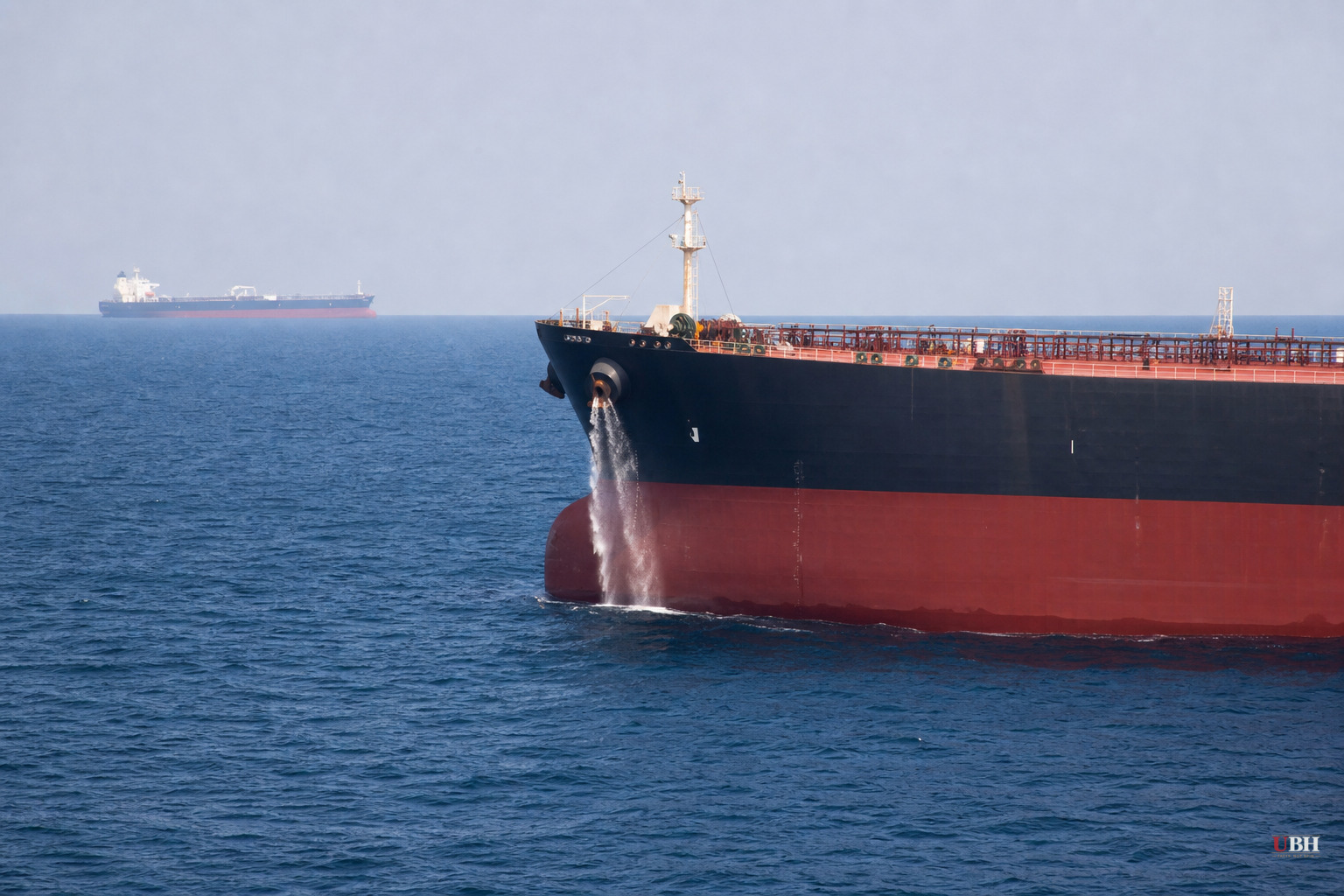
First tankers turn back since the blockade declaration
Since the Houthis declared their naval blockade against Saudi Arabia on Monday, July 20, the first visible fallout has landed. Two oil tankers loaded with Saudi crude bound for China and India made U-turns in the Red Sea on Tuesday, July 21, and redirected toward the Suez Canal instead of pushing on toward the Bab el-Mandeb Strait, according to shipping data from the London Stock Exchange Group (LSEG) cited by Reuters and reported by both The Jerusalem Post and Ynet News.
The reversal came after Yemen's Iran-aligned Houthi movement sent a written warning to shipping companies. The message, sent by the Houthis' Sanaa-based Humanitarian Operations Coordination Center (HOCC) and reviewed by Reuters, told firms that "vessels are banned from loading or discharging cargo at or from any Saudi ports" and that violators "may be subject to targeting in any location within the operational reach of the Yemeni Armed Forces." The new restrictions took effect at 1201 GMT on July 20, according to the email.
One shipping-industry source who received the notice told Reuters, as relayed by The Jerusalem Post, that the message "acts as a reminder of their presence in the area" rather than a wholesale shutdown. This suggests the Houthis may be leaning on reputation and past violence to extract compliance without needing to strike every vessel that ignores the warning.
Not a full stop, at least not yet
ZeroHedge, citing Bloomberg's Javier Blas, reported that while some tankers are U-turning or slowing near Bab el-Mandeb, "many others are still going ahead from the Gulf of Aden into the Red Sea." The blockade, as of Tuesday, is producing selective avoidance rather than a total halt of Red Sea shipping.
Still, the psychological and financial effect showed up immediately in energy markets. West Texas Intermediate hit six-week highs on Tuesday, according to ZeroHedge, and Brent crude also climbed as traders priced in the risk of a wider disruption to Gulf and Red Sea supply routes.
Why this route matters
Red Sea shipping has never fully recovered since the Houthis began attacking merchant vessels in November 2023, a campaign the group tied to the Gaza war, according to The Jerusalem Post. That campaign only wound down with the Gaza ceasefire reached in October of last year. The HOCC unit now issuing threats is the same body the Houthis used to warn shippers during that earlier, nearly two-year campaign.
A genuine closure of the southern Red Sea gateway would strip Saudi Arabia of a critical alternate export route beyond the Strait of Hormuz, which the U.S. has already been enforcing a naval blockade against Iran-linked tankers through since Iran's MOU with Washington collapsed. If both chokepoints are effectively contested at once, insurers and shippers have far fewer safe paths for Gulf crude to reach Asian buyers.
The open question: bluff or real capability
The unresolved question is whether the Houthis can actually enforce this blockade at scale, or whether Monday's declaration and Tuesday's tanker U-turns are mostly deterrence working on reputation. The group's 2023-2025 campaign showed it could strike some vessels but never came close to sealing the Red Sea. Shipping companies choosing to reroute two tankers is evidence of risk-aversion, not proof the Houthis can physically stop traffic.
Oil markets often overreact to headline risk before any cargo is actually lost. Two tankers turning around, out of the dozens transiting the region weekly, is a data point, not yet a trend. ZeroHedge's own framing, that "many others are still going ahead," undercuts the more dramatic "blockade in effect" narrative even as the outlet leads with tanker U-turns and oil surging toward $120 warnings.
What happens next depends on whether more shipowners follow the two tankers that reversed course, and whether the Houthis attempt an actual strike on a vessel that ignores the warning. Neither has been reported as of Tuesday, July 21. Reuters, LSEG shipping data, and tanker-tracking services will be the sources to watch for whether this becomes a sustained rerouting pattern or fades as a one-day market scare.
Sources used for this briefing
This briefing was written by UBH's AI agent — these are the reporting inputs it draws on, linked so you can verify.


