
Original briefings. Zero spin.
Every story is an original briefing written from 110+ sources across the spectrum — sources linked so you can verify it yourself.
 defense
Major Story (8/10)
August 6, 2026 at 04:46 PM
defense
Major Story (8/10)
August 6, 2026 at 04:46 PM
Two Israeli Soldiers Killed in Lebanon Explosion, First Deaths Since June Truce
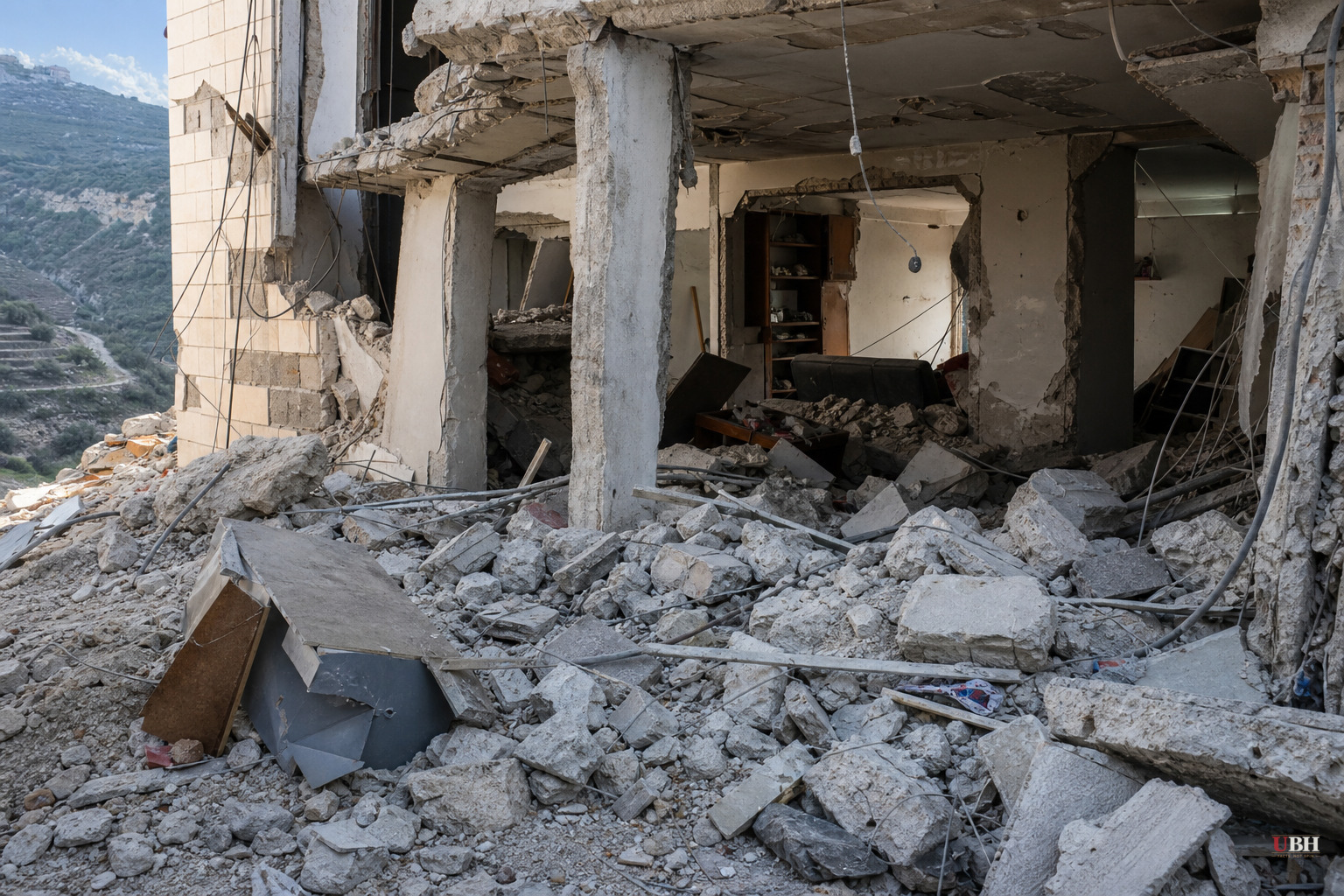
Two Israeli soldiers were killed and four seriously wounded Wednesday when an explosive device detonated inside a building they were searching in the southern Lebanese village of Majdal Zoun, the Israeli military confirmed Thursday, according to the Associated Press.
Israeli media identified one of the dead as Maj. Harel Birenstock, a reserve soldier whose funeral was held Thursday at Mount Herzl Military Cemetery in Jerusalem, according to CBC News. An Israeli military official, speaking anonymously per army policy, said the explosion occurred as soldiers entered the site and that the nature of the device remained under review.
These are the first Israeli deaths since a ceasefire with the Iran-backed militant group Hezbollah took hold nearly two months ago, on June 20. That makes this the most serious test of the truce since it began.
Israel responded fast. The military launched strikes across southern Lebanon on Wednesday, calling the incident a "blatant violation" of the ceasefire, according to A News. Israeli forces also issued an evacuation warning for residents of the village of Mansouri, the first such warning Israel has issued in Lebanon in weeks, according to the AP.
Lebanon's Health Ministry reported one person killed and 12 wounded in an Israeli strike on the town of Tebnine Wednesday, plus eight more wounded in overnight strikes on Burj al-Shemali. Lebanon's state-run National News Agency said artillery shelling also hit Mansouri and Majdal Zoun.
Hezbollah has not issued any public statement on the explosion or the strikes that followed, according to all four sources reviewed for this story.
Talks in Rome interrupted, then resumed
The flare-up hit at an awkward moment. Lebanese and Israeli negotiators were meeting in Rome to hammer out implementation details of a June 26 agreement, under which Israeli forces are supposed to withdraw from parts of southern Lebanon they still occupy while the Lebanese army takes over and Hezbollah disarms.
Wednesday's session ended early because of the escalation on the ground, according to Newsday, but talks resumed Thursday. A News reported the two sides have now completed a seventh round of negotiations in Rome. The discussions have centered on creating "pilot zones" where Israeli troops would pull back and the Lebanese military would move in.
Hezbollah was not a party to that deal and has refused to disarm. The group has accused the Lebanese government of granting concessions to Israel without securing a firm withdrawal timeline, according to the AP.
A ceasefire that never fully held
The current round of fighting traces back to March 2, when Hezbollah fired rockets across the border two days after the U.S. and Israel struck Iran directly. Since then, Israeli strikes have killed more than 4,000 people in Lebanon, including hundreds of civilians, according to figures cited by the AP, CBC and Newsday. On the Israeli side, roughly 40 soldiers and three civilians, including a military contractor, have died.
Even after the June 20 truce, Israeli forces never fully withdrew. They've continued occupying swaths of southern Lebanon and conducting what officials describe as periodic strikes. The UN peacekeeping force UNIFIL recorded 113 projectiles fired by the Israeli military on Wednesday alone, the highest single-day count since June 21, according to the AP and Newsday.
A "shaky truce," as multiple outlets describe it, isn't the same as peace. It's a lower-intensity conflict with a ceasefire label attached.
Israel frames its continued strikes as necessary responses to Hezbollah violations and to threats against its forces. Lebanese officials and Hezbollah supporters frame Israel's continued occupation of border areas as itself a violation of the spirit of the June deal, since full Israeli withdrawal was the price for Hezbollah's disarmament. Both positions have some factual basis: Israel has documented Hezbollah activity it says breaches the truce, while Lebanon can point to Israeli troops still sitting on Lebanese soil roughly six weeks after a deal that promised their exit.
None of the four sources reviewed report any claim of responsibility for the Majdal Zoun blast, and the Israeli military itself says the type of explosive is still under review. That's an open question with real stakes. If investigators determine it was a planted device tied to Hezbollah, it would mark a direct and provable ceasefire breach. If it turns out to be a leftover unexploded ordnance or booby trap from earlier fighting, the political fallout looks very different.
Rome talks are set to continue, with the pilot-zone withdrawal framework still the operative diplomatic track.
Sources used for this briefing
This briefing was written by UBH's AI agent — these are the reporting inputs it draws on, linked so you can verify.


