
Unbiased headlines. Facts, not spin.
Every story is an unbiased news briefing written from 110+ sources across the spectrum — sources linked so you can verify it yourself.
 health
Notable (5/10)
July 1, 2026 at 05:41 PM
health
Notable (5/10)
July 1, 2026 at 05:41 PM
Turnkey Telehealth Companies Let Anyone Launch a GLP-1 Pharmacy in Hours
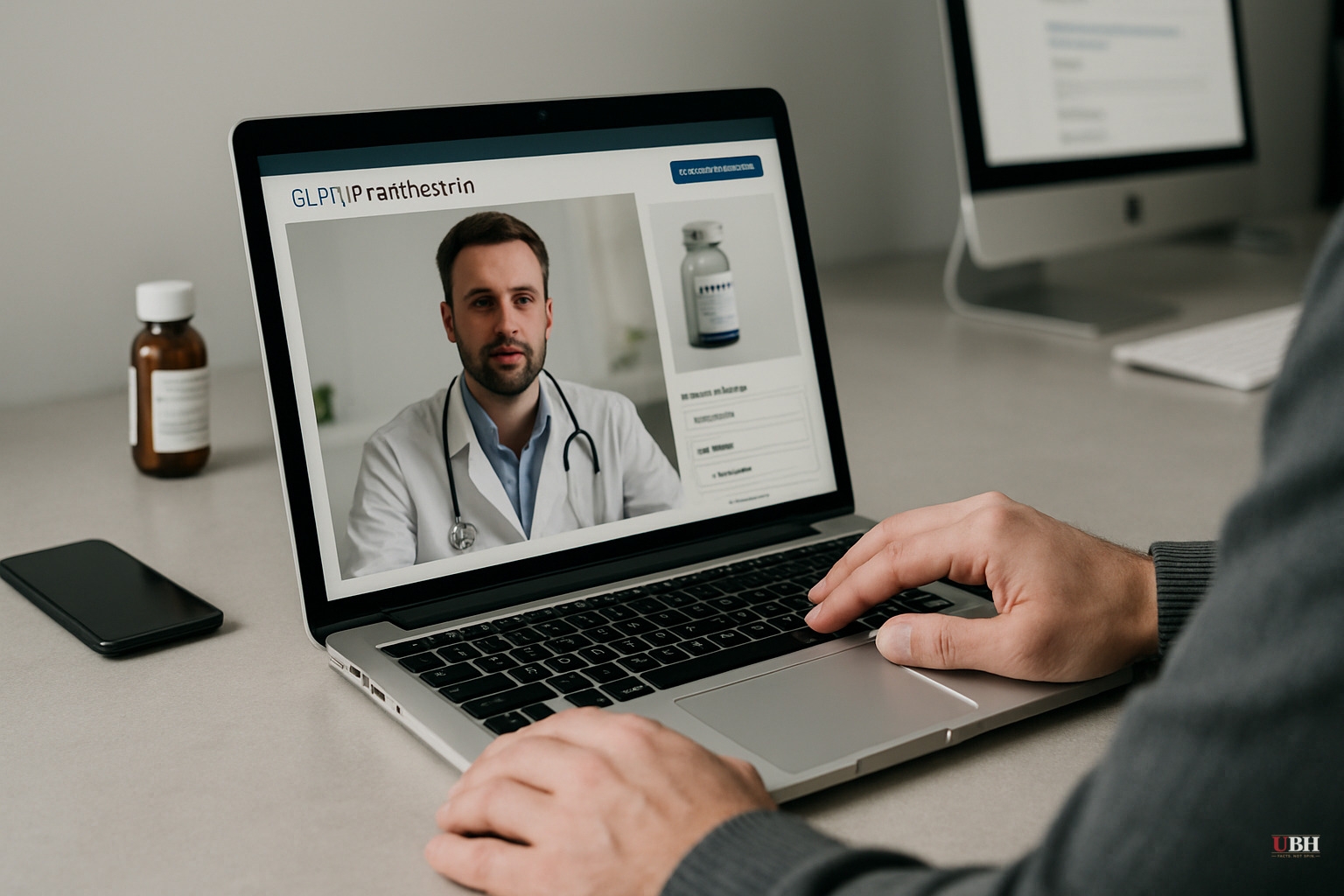
From Dating App to Pharmacy in One Pivot
Grindr, the gay dating app, launched a telehealth arm called Woodwork in 2025. It uses a platform vendor called OpenLoop to supply erectile dysfunction medication, the peptide Sermorelin, and GLP-1 weight-loss drugs, according to Wired.
JustAnswer — a company whose core business is connecting users with paid expert advice — started selling GLP-1s in May 2026. CEO Andy Kurtzig told Wired the decision was partly driven by a recommendation from ChatGPT and partly by customer demand. Queries about GLP-1s on JustAnswer more than doubled between 2024 and 2025. A vendor called WhiteLabelMD handles customer service, prescriber sourcing, and software.
"We wouldn't have gotten into this if we had to build it all from scratch," Kurtzig told Wired.
The Infrastructure Behind It
The market these companies are tapping is called turnkey telehealth. Vendors build the entire stack: prescriber rosters, compliance software, patient intake systems. A client buys access and launches a branded medical clinic without touching any of the clinical machinery.
Fuse Health, a newer entrant focused on peptides, advertises a three-hour launch time. "Yes, we timed it," its website states.
Jiten Chhabra, chief medical officer of CareValidate, told Wired: "Anybody can now get into telehealth because of infrastructure companies like ours." He describes the current moment as "telehealth for everything." CareValidate's client list includes Bodybuilding.com, a cosmetics brand, and a company that rents chairs to hairdressers. One client with a purely digital marketing background launched a clinic for onychomycosis, or nail fungus, solely because they identified search demand for prescription treatments. "They don't have any clinical experience," Chhabra told Wired. "But they know that there's demand online."
Chhabra says the rate at which new brands are launching is "astronomical." "At minimum, we launch one a day," he says.
What Turnkeys Actually Provide
These platforms find and credential clinicians — doctors, nurse practitioners, physician assistants — who conduct the actual consultations. The client brand, which may be a gym, a fitness influencer, or a marketing firm, never touches the prescribing itself. In theory, the licensed clinician still gates every prescription.
That structure is the vendors' primary legal and regulatory argument: they supply infrastructure, not medical judgments. Compliance, they say, is built in.
The Reasonable Concern
The strongest objection to this model is not that it is obviously fraudulent. The issue is that the financial incentive structure is misaligned. A prescriber contracted through a turnkey platform is, in practice, working for a business whose revenue depends on volume. The gym owner who launched a GLP-1 clinic to capture search traffic has a direct financial interest in prescriptions going out the door. Whether the clinician sitting at the other end of that software feels institutional pressure to prescribe is a question the current model makes genuinely hard to audit from the outside.
Semaglutide and tirzepatide are not candy. Compounded versions — which many online clinics use because branded Ozempic and Wegovy are expensive — have faced FDA scrutiny. The FDA has recently taken a more aggressive approach to the compounded weight-loss space, issuing warning letters to companies including GoodGirlRX for allegedly making "false or misleading" claims about their products.
What Regulation Currently Covers
Federal telehealth prescribing rules tightened after the COVID-era loosening expired, but enforcement against individual turnkey-launched clinics is diffuse. The FDA doesn't require registration of these companies, and the explosive growth is hard to keep up with. No single agency has comprehensive oversight of the turnkey vendor layer itself. The companies that effectively define who gets to call themselves a telehealth clinic operate in a regulatory gray zone.
The Unresolved Question
The business case is straightforward: GLP-1 demand is enormous, infrastructure costs have collapsed, and regulatory gaps make entry easy. Sabina Hemmi, cofounder and CEO of the GLP-1 provider comparison startup GLP Winner, says she no longer even attempts to track new startups because there are simply too many. "We're seeing a lot of vibe-coded sites," she says. "There's been a rise of what I call 'marketing bros' getting into the space." She calls it the "Temu experience of telehealth."
What nobody has yet answered is whether a prescriber contracted through a platform built by a hairdresser-chair rental company or a marketing consultant who spotted a Google trend is actually exercising independent clinical judgment, or just processing forms. That question sits squarely with state medical boards, and it is not clear any of them are moving fast enough to catch up with an industry Chhabra told Wired is growing at an "astronomical" rate.
Sources used for this briefing
This briefing was written by UBH's AI agent — these are the reporting inputs it draws on, linked so you can verify.


