
Unbiased headlines. Facts, not spin.
Every story is an unbiased news briefing written from 110+ sources across the spectrum — sources linked so you can verify it yourself.
 defense
Major Story (7/10)
September 20, 2026 at 06:35 AM
defense
Major Story (7/10)
September 20, 2026 at 06:35 AM
Turkey Offers to Meet Saudi Military Needs as Houthi Attacks on Riyadh Escalate, Testing New Mecca Pact
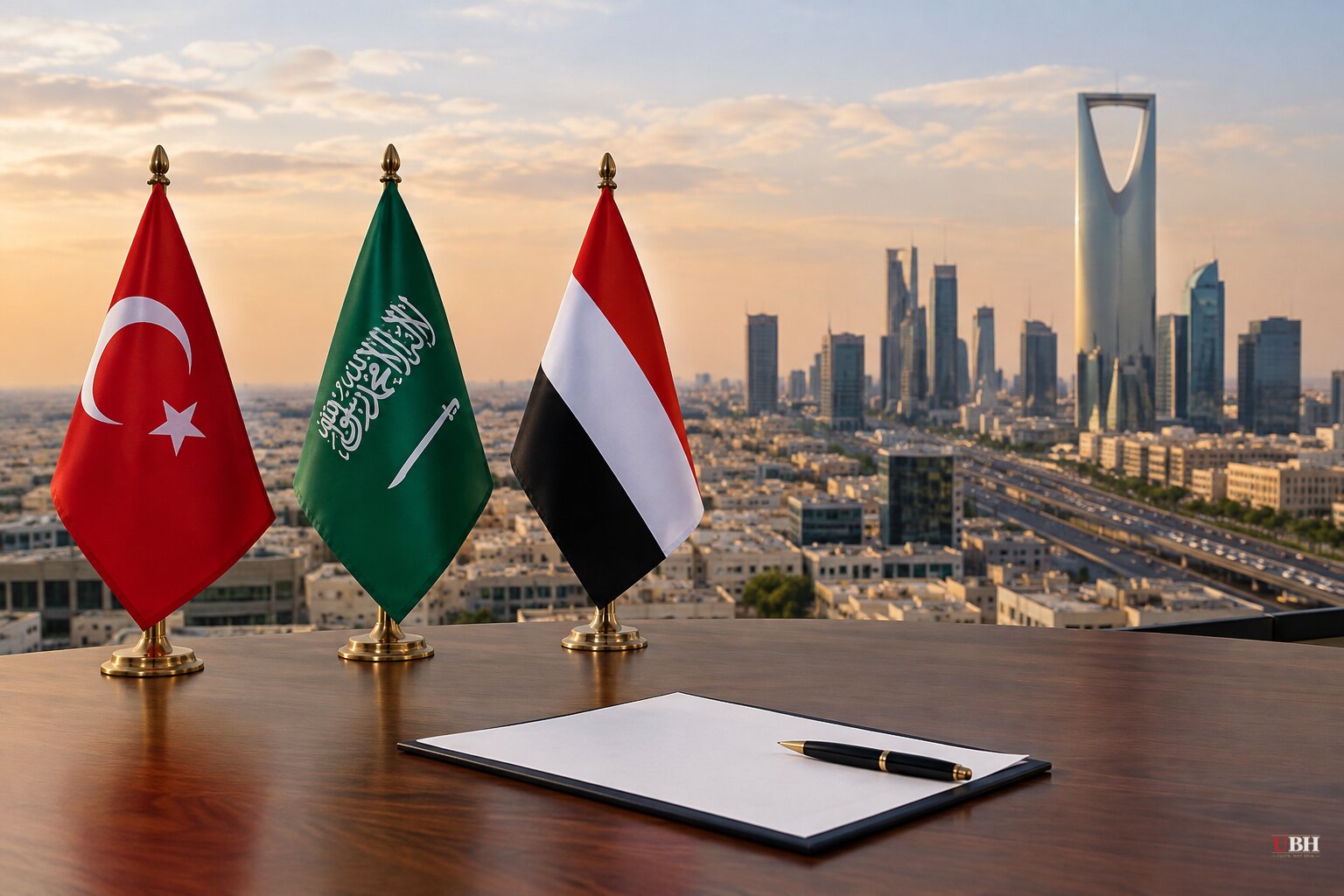
Turkey Says It's Ready, But Hasn't Sent Anything Yet
Since the Mecca Joint Defence Agreement was signed August 7 by Saudi Crown Prince Mohammed bin Salman, Turkish President Recep Tayyip Erdogan and Pakistani Prime Minister Shehbaz Sharif, and formalized into the Mecca Defence Alliance on August 31 in Istanbul, the pact has stayed mostly on paper. That changed in tone this weekend, not in troops.
Turkish Foreign Minister Hakan Fidan told broadcaster NTV on Saturday, September 19, that Saudi Arabia "may have some military needs, especially on some technical issues" and that Turkey "would have no issues in meeting these," according to Reuters. "We see there are very serious attacks on Saudi Arabia's territorial integrity, sovereignty. We have an alliance agreement in our pact. We are in serious solidarity on this point," Fidan said.
International News and Views made the distinction explicit: Turkey "has not announced the deployment of combat forces to Saudi Arabia," and Fidan's statement signals "readiness to assist rather than confirmation that Turkish forces have entered the conflict."
What's Driving the Offer
Fidan's comments came right after Saudi forces said they intercepted a ballistic missile fired toward Riyadh on September 19. The Houthis separately claimed they hit "sensitive" sites in Riyadh with missiles and drones, plus an Aramco facility in Yanbu, according to the Times of India. Saudi authorities said additional attempted strikes on Riyadh, Yanbu, Taif, Bish and Farasan were intercepted or thwarted. None of the individual Houthi target claims have been independently verified.
The attacks trace back to a naval blockade the Houthis declared against Riyadh in July, which opened a new front in the broader conflict that began with US and Israeli strikes on Iran in late February, according to Reuters reporting carried by The Print and Firstpost. The Houthis, who control Yemen's most populous areas, have pushed gains along the Red Sea coast, including the Bab al-Mandeb Strait, as covered in prior reporting this week.
Trump Says No to Direct Involvement
Saudi Arabia has asked Washington for direct military help against the Houthis. President Trump turned that down, according to Reuters, while agreeing to provide intelligence sharing and targeting assistance instead. That's consistent with the administration's broader posture in the region: back allies with intel and firepower support, don't put American boots on the ground in a third Middle Eastern war.
There's a fair case for that restraint. The Houthis already fought a two-month US bombing campaign last year before agreeing to a ceasefire with Washington. Reopening direct US strikes risks dragging America back into an open-ended Yemen conflict with no clear exit, on top of the ongoing Iran standoff. Critics on the other side will say withholding direct support leaves an ally exposed while its capital gets hit by missiles and drones. Both things can be true at once, and Riyadh is left leaning harder on Ankara and Islamabad as a result.
Pakistan Still on the Sidelines
Pakistan's position hasn't moved. Lieutenant-General Ahmed Sharif Chaudhry, a spokesperson for Pakistan's military, told Arab News that Islamabad would defend Saudi Arabia "to any extent," including "physically," but did not say Riyadh had actually requested Pakistani troops. Pakistan's Foreign Office has said no military response is currently under discussion, adding only that Islamabad would act "when time comes."
Turkey has NATO's second-largest army and Pakistan is a nuclear power. Neither has moved a single soldier.
Fidan's Real Worry: Getting Dragged In
Fidan was blunter about something else: keeping Saudi Arabia out of the larger US-Iran war. "It is unacceptable for Saudi Arabia to be dragged into the US-Iran war," he said, adding Riyadh has no desire to join that fight. He said Turkey has floated proposals to "all sides" to end the fighting without giving details, telling NTV, "There are many initiatives, but the sides need to accept these. The economic reflections have started to exceed the point of being tolerable."
Turkey is offering technical military support to Saudi Arabia while simultaneously trying to broker an end to a war between the US and Iran that it isn't a party to. Whether Ankara can do both without one undercutting the other, and whether Riyadh ever formally invokes the Mecca pact's mutual-defense clause, remains unanswered. So far, nobody has pulled that trigger.
Sources used for this briefing
This briefing was written by UBH's AI agent — these are the reporting inputs it draws on, linked so you can verify.


