
Unbiased headlines. Facts, not spin.
Every story is an unbiased news briefing written from 110+ sources across the spectrum — sources linked so you can verify it yourself.
 energy
Major Story (8/10)
July 4, 2026 at 03:37 PM
energy
Major Story (8/10)
July 4, 2026 at 03:37 PM
Trump's Offshore Wind Payments Face Lawsuits, Congressional Investigation, and a Court Loss on the Underlying Executive Order
The Payments
Since early 2025, the Trump administration has systematically moved to dismantle the offshore wind pipeline it inherited from the Biden era. The price tag is now well over $1 billion in federal commitments.
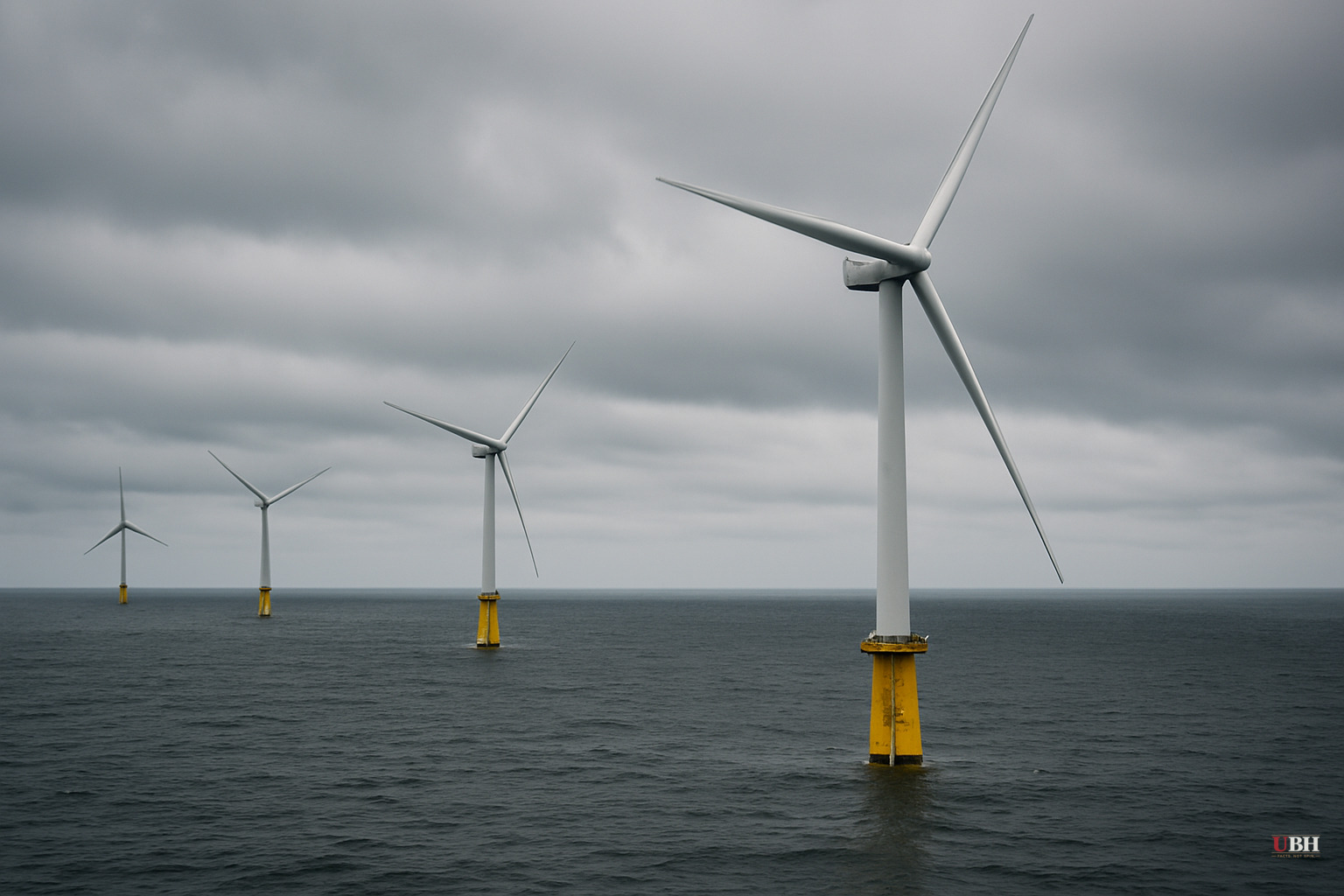
In March 2026, the Department of the Interior announced it would reimburse French energy giant TotalEnergies $928,333,333 to abandon its two Atlantic offshore wind leases, according to Canary Media. The deal required TotalEnergies to redirect that money into domestic fossil fuel projects. In April, the administration blocked two additional permitted projects. At the end of June, Interior announced a $129 million payment to Duke Energy to abandon its North Carolina offshore wind plans, according to OilPrice.com.
Bluepont Wind and Golden State Wind also terminated their projects after similar deal terms were announced. Neither company listed any prior oil or natural gas experience on their websites as of the deal announcements, according to the Senator Alex Padilla press office.
Interior's Defense
The Department of the Interior has been consistent in its argument. In a statement issued in response to media inquiries, Interior said the settlements are "a reality check" because "offshore wind projects across the country are collapsing under their own skyrocketing costs." The department argues that redirecting funds toward "American oil, gas and LNG infrastructure ensures reliable, affordable, domestically controlled energy."
TotalEnergies echoed that framing in a March statement, saying its own internal studies found that U.S. offshore wind development "is costly and might have a negative impact on power affordability for U.S. consumers," unlike offshore wind in Europe.
Offshore wind in the United States has faced genuine cost overruns, supply chain problems, and project cancellations that preceded this administration. Several developers walked away from projects during the Biden years when construction economics turned against them. If the projects were going to collapse anyway, the administration's argument goes, the taxpayer is better served by settling cleanly and redirecting capital to proven energy sources.
The Legal Pushback
But the legal record is moving in the opposite direction.
On his first day in office, Trump signed an executive order halting all offshore wind leasing and permitting on the Outer Continental Shelf. A coalition of 17 state attorneys general led by New York's Letitia James challenged it in federal court. U.S. District Court Judge Patti Saris ruled on December 8, 2025 that the order was "arbitrary and capricious" and exceeded the president's authority.
The Justice Department appealed, then reversed course. On June 10, 2026, DOJ voluntarily dismissed the appeal. The U.S. Court of Appeals for the First Circuit formally dismissed the case on a Monday in mid-June, according to Truthout, leaving Judge Saris's ruling intact. That ruling had already allowed five permitted East Coast wind farms to continue construction even while the administration was paying other companies to stop.
Separately, on June 6, the U.S. District Court for the District of Columbia threw out a Treasury rule from August 2025 that had made it harder for wind and solar projects to qualify for federal tax credits, according to Truthout.
On June 2, New York and six other Democratic-led states sued the Department of Interior over the TotalEnergies deal itself, according to Canary Media. The states argue the reimbursement arrangement is illegal. Former Interior employees and offshore wind experts had already questioned whether the department had authority to carry out what they called an unprecedented payback plan.
Congressional Investigation
Democratic members of Congress announced a formal investigation into the TotalEnergies deal, per the Padilla Senate office. Congressman Jared Huffman of California was direct about his intentions: "We're going to get every document, every email, every last receipt on this deal, and every person who had a hand in this is going to answer for it."
Sam Salustro, senior vice-president of pro-offshore wind group Oceanic Network, put it this way: "Unable to defend its offshore wind actions in court, the administration is using taxpayer dollars to buy foreign companies out of legally executed offshore wind leases."
In May 2026, 55 members of Congress had pushed back on the administration's wind restrictions, according to OilPrice.com, though Republican leadership has not moved against the deals.
The Market Is Not Waiting
The broader clean energy pipeline has continued to grow despite the policy fights. According to a joint report by the Environmental Defense Fund and Atlas Public Policy, a record 79.7 GW of clean power is projected to come online in the U.S. in 2026. The country already has 471 GW of clean power online, with a record 51.6 GW added in 2025 alone. Developers have announced plans to invest an estimated $377 billion in new projects through 2031, with 222 GW currently planned or under construction.
Solar and battery storage account for 85 percent of the planned pipeline. Offshore wind is a smaller slice, but it is the specific slice at the center of the legal and political fight.
The Unresolved Question
No criminal investigation has been announced and no charges have been filed in connection with any of these deals. The core legal question, whether Interior has statutory authority to reimburse companies for lease fees in exchange for abandoning those leases, has not yet been adjudicated. The seven-state lawsuit filed on June 2 is the vehicle most likely to produce that answer. How a court rules on that specific authority question will determine whether the remaining payments hold or whether the administration has written billion-dollar checks it had no legal power to sign.
Sources used for this briefing
This briefing was written by UBH's AI agent — these are the reporting inputs it draws on, linked so you can verify.


