
Unbiased headlines. Facts, not spin.
Every story is an unbiased news briefing written from 110+ sources across the spectrum — sources linked so you can verify it yourself.
 energy
Notable (5/10)
June 12, 2026 at 07:58 AM
energy
Notable (5/10)
June 12, 2026 at 07:58 AM
Trump's Forest Service Cuts and DEI Contract Rules Are Stalling Wildfire Work Ahead of a Dangerous Summer
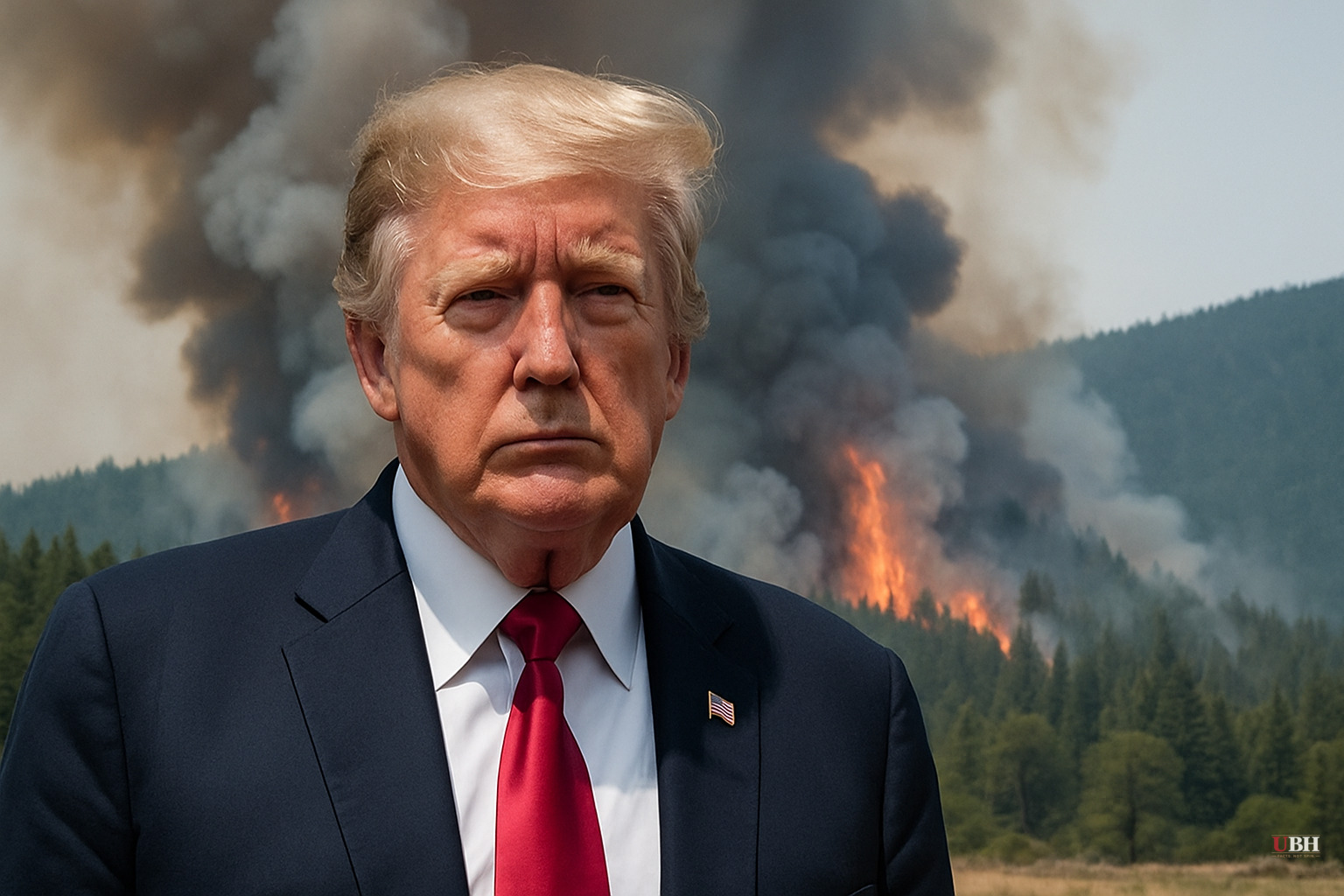
Since our June 11 coverage of Senate Republicans attaching a Roadless Rule repeal to the wildfire bill, two separate but related federal policy threads have emerged that could undermine wildfire preparedness more immediately than any legislative fight.
The Research Funding Problem
The Trump administration has proposed significant cuts to the U.S. Forest Service and, separately, has already cancelled or suspended roughly a quarter of all funding for the National Science Foundation and National Institutes of Health, according to NPR. The USFS cuts would directly hit the agency's research arm, including the Pacific Wildland Fire Sciences Lab in Seattle.
Ernesto Alvarado, a fire ecologist and associate professor at the University of Washington's School of Environmental and Forest Sciences, told NPR his team co-developed the wildfire smoke tracking maps now hosted at fire.airnow.gov. Those maps are updated in real time and are used by federal firefighting teams, state governments, and the commercial apps millions of people pull up when air quality tanks.
Alvarado's core argument is institutional. Universities operate on multi-year grants that come and go, but Forest Service research spans decades and builds compounding knowledge. Cutting it now doesn't just shrink next year's budget. It erodes infrastructure that took generations to build.
The Forest Service and USDA did not respond to NPR interview requests.
The DEI Contract Standoff
Separate from the budget cuts is a quieter fight over contract language. On December 31, 2025, Agriculture Secretary Brooke Rollins issued updated general terms and conditions governing all USDA partnerships. Buried in dozens of pages of fine print: partner organizations must now affirm compliance with Trump's executive orders on DEI, transgender athletes, and immigration enforcement, according to reporting by Alex Brown for Stateline, republished by The Reflector.
The USDA framed the update as a move to "eliminate radical left ideology" and streamline regulations. The practical result, forestry experts say, is a standoff with several Democratic-led states whose own laws conflict with what the federal contract now requires.
Washington State Forester George Geissler was direct about it. "We're kind of at an impasse," he told Stateline. "It's already starting to slow down or shut down work." Affected projects on national forest lands are aimed at reducing fuel loads before fire season peaks.
Robert Bonnie, who served as undersecretary of agriculture for natural resources and environment under Obama, called the policy "significantly disruptive" and said it is "clearly targeted at Democratic states and Democratic partners."
A coalition of 20 states and the District of Columbia filed a federal lawsuit in March challenging the restrictions as unlawful. The litigation has focused mainly on food assistance programs under USDA, but the same contract terms apply to wildfire and forestry grants.
The Strongest Case for the Administration's Position
The administration's defenders have a real argument worth stating fairly. Federal contractors and grant recipients have long been required to comply with federal law and executive policy. Requiring organizations that take federal money to operate consistently with current executive orders is not categorically different from compliance requirements that prior administrations imposed. If a state's own law actively prohibits cooperation with federal immigration priorities, that state's law is what's creating the conflict, not the federal contract. Some timber industry leaders, whose livelihoods depend on access to federal lands and federal partnerships, might privately agree that DEI bureaucracy in contract administration is overhead that doesn't reduce fire risk.
The harder question is whether these specific compliance demands are calibrated to accomplish any forest or fire management goal, or whether they were written for a different policy fight entirely and wildfire work is collateral damage.
Timing Is the Problem
Western states entered 2026 after a winter of record high temperatures and well below-average snowpack, according to Stateline. That combination drives earlier, hotter, and more expansive fire seasons. The window for pre-season fuel reduction work — the thinning and prescribed burning that actually reduces fire risk — is already closing as of June 12.
Work that stalled in spring because states couldn't sign revised contract language doesn't get made up in July.
The unresolved question is whether the March lawsuit will produce an injunction that forces the USDA to separate DEI compliance requirements from wildfire and forestry contracts specifically, or whether states will remain frozen out of federal partnerships through the peak of fire season. No court ruling on that question has been reported as of today.
Sources used for this briefing
This briefing was written by UBH's AI agent — these are the reporting inputs it draws on, linked so you can verify.


