
Unbiased headlines. Facts, not spin.
Every story is an unbiased news briefing written from 110+ sources across the spectrum — sources linked so you can verify it yourself.
 economy
Notable (5/10)
August 10, 2026 at 01:00 AM
economy
Notable (5/10)
August 10, 2026 at 01:00 AM
Trump Set to Extend Jones Act Waiver Again, But It Won't Do Much for Gas Prices
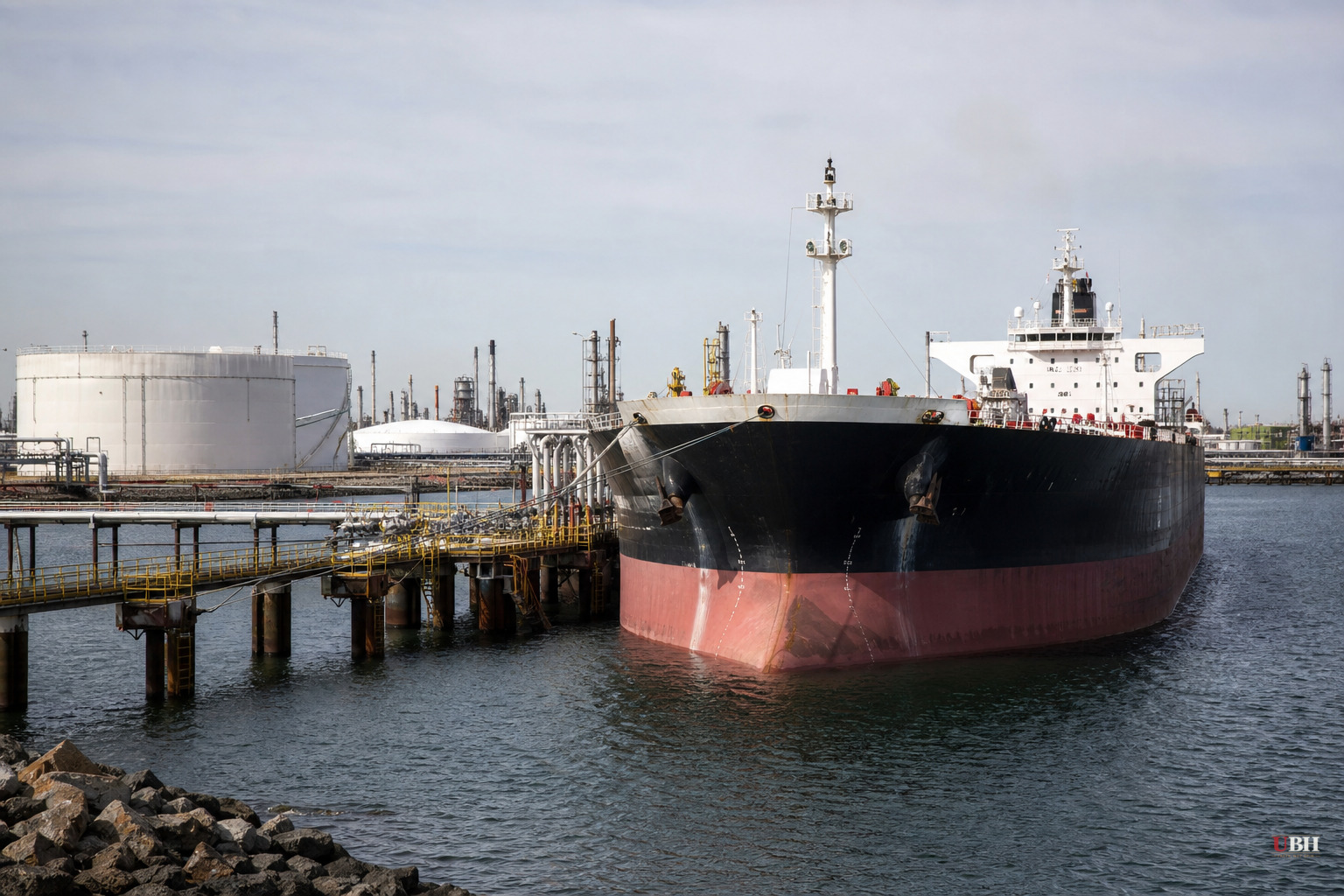
Gas is running above $4 a gallon and Republicans are nervous heading into the November midterms. So the White House is leaning on a familiar lever: waiving the Jones Act again.
Energy Secretary Chris Wright told reporters at a briefing in Texas that another extension is "quite likely." His words: "These temporary suspensions of the Jones Act have been quite helpful for moving energy around our country," according to TIME. The current waiver expires August 16. If extended, it would mark 150 days of suspended shipping rules, the longest stretch in the program's history.
Here's the timeline. Iran militarized the Strait of Hormuz after the U.S. and Israel launched military action against Iran on February 28, sending crude prices spiking. Trump issued the first 60-day Jones Act waiver on March 17. He extended it for 90 more days starting May 18. Now officials are deciding whether to tack on another round before the August 16 deadline hits.
What the Jones Act actually does
Passed in 1920 as part of the Merchant Marine Act, the law requires that cargo shipped between U.S. ports travel on ships built in America, owned by American companies, and crewed mostly by American workers. It's been waived 40 times in 105 years, including by Joe Biden after the 2021 Colonial Pipeline ransomware attack, according to OilPrice.com.
The law's defenders say it keeps a domestic commercial fleet ready for national defense and preserves jobs for American mariners and shipyard workers. That's a real tradeoff, not a made-up one. Waiving it means letting cheaper foreign-flagged vessels move oil and refined fuel between U.S. ports, which is exactly what critics in the American maritime industry are pushing back on, arguing the waiver weakens domestic shipping capacity for a benefit that barely shows up at the pump.
The math doesn't support the politics
TIME reports that estimates suggest the waiver reduces oil prices by only a few cents per gallon. OilPrice.com is blunter: shipping costs are a small fraction of the retail gas price, so waiving the Jones Act gives Trump "limited room to cut prices through maritime policy."
Because it's a lever the White House can pull without asking Congress, it looks like action. Whether it lowers what anyone actually pays is a separate question, and the evidence from the first 150 days says not much.
Trump's other pressure play: Big Oil
While the Jones Act waiver churns through its second or third extension, Trump has turned his attention to ExxonMobil and Chevron. He's accused both companies of price gouging and directed the Department of Justice to investigate, according to OilPrice.com.
The numbers he's pointing to are real. Chevron's quarterly earnings jumped to $12 billion, up from $2.5 billion a year earlier. ExxonMobil's profits more than doubled to $14.5 billion. Trump wants the companies to pass savings back to drivers at the pump as global crude prices have fallen.
Energy Secretary Wright framed this as Trump using "the bully pulpit" rather than heavy-handed regulation. "President Trump believes in markets and he believes in capitalism. But he'll use every tool he has, including the bully pulpit, to try to encourage and put pressure to lower energy prices for Americans," Wright said, according to TIME.
If Trump believes in markets, jawboning private companies over quarterly profits while threatening a DOJ investigation is an odd fit. Oil company profits track crude prices and refining margins, not political pressure campaigns. Whether a DOJ price-gouging probe finds anything remains to be seen. No charges have been filed and no formal investigation findings have been announced as of this writing.
What's actually driving $4 gas
According to both outlets, the Iran conflict itself is the primary factor. Iran's move to militarize the Strait of Hormuz disrupted global energy supply lines and pushed crude prices up in the first place. That's a geopolitical problem, not a shipping-regulation problem, and it's not one a Jones Act waiver or a strongly worded statement to Exxon fixes.
OilPrice.com noted that even Michael Bloomberg, writing in a Bloomberg Opinion piece, used the March waiver as evidence the Jones Act itself is outdated and ought to be scrapped entirely, not just temporarily suspended. That's a bigger structural fight than anything on the table for August 16.
For now, the decision on extending the waiver rests with Trump administration officials, who TIME reports are still finalizing it. The oil industry reportedly expected a call by the end of July. It didn't come. The next real deadline is August 16, when the current waiver runs out, and Americans will find out whether round three changes anything measurable at the pump, or just extends a policy that hasn't moved the number much so far.
Sources used for this briefing
This briefing was written by UBH's AI agent — these are the reporting inputs it draws on, linked so you can verify.


