
Original briefings. Zero spin.
Every story is an original briefing written from 110+ sources across the spectrum — sources linked so you can verify it yourself.
 defense
Major Story (8/10)
Event date: August 24, 2026
defense
Major Story (8/10)
Event date: August 24, 2026
Trump Sends Saudi Nuclear Deal to Congress, Still Ties It to Israel Recognition Saudi Arabia Won't Give
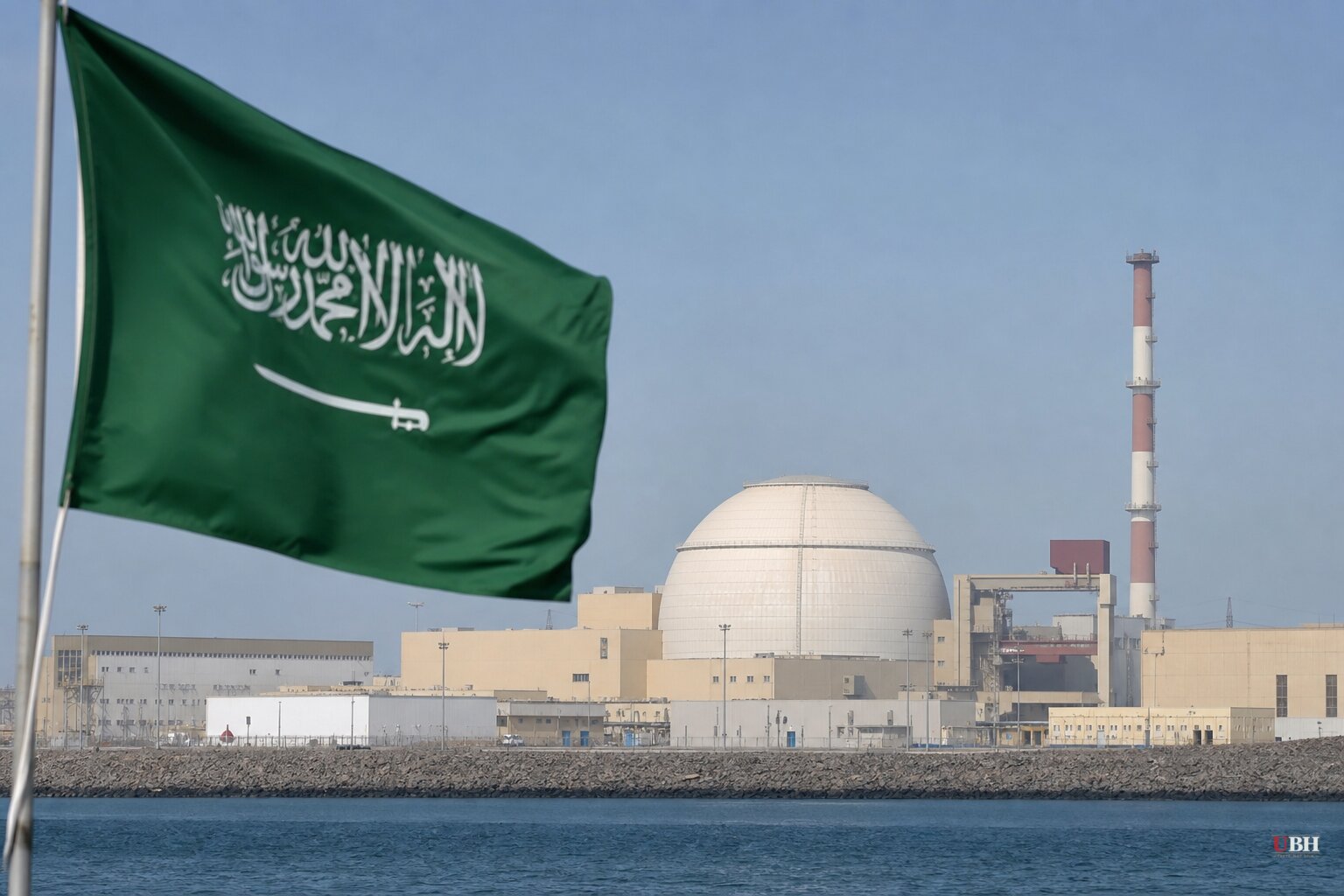
President Trump's civil nuclear agreement with Saudi Arabia is now sitting in front of Congress, and nobody involved seems to know if it will ever actually take effect.
According to the Associated Press, the classified document was submitted to Capitol Hill on Monday, as required under the Atomic Energy Act. Reuters reported the same submission, adding it would be handed to congressional committees on Wednesday. That starts a 90-session-day clock. Unless both chambers pass a joint resolution rejecting it, the deal becomes law automatically, no vote required.
Here's the catch. The agreement was signed last month in Washington by Energy Secretary Chris Wright and his Saudi counterpart, formalizing what the Department of Energy called a "decades-long, multi-billion-dollar" partnership, according to Breitbart's coverage of that signing. But the very next day, Trump announced a new condition: Saudi Arabia has to join the Abraham Accords and normalize relations with Israel, or the deal doesn't move forward, according to the AP and Reuters, both citing administration officials who were not authorized to speak publicly.
The Saudis were reportedly blindsided by that announcement, according to the AP. And Riyadh's position on the underlying issue hasn't budged. Saudi Arabia has said normalization requires an irreversible path to Palestinian statehood, according to Reuters. Israeli Prime Minister Benjamin Netanyahu has rejected Palestinian statehood as untenable for his country's security, per the same reporting. Those two positions do not currently have a bridge between them.
So why send a deal to Congress that the president himself says can't proceed without something that isn't happening? Henry Sokolski, head of the Nonproliferation Policy Education Center, told Reuters that by starting the clock, Trump has opened the door for Congress to let the deal proceed without normalization or the proliferation restrictions critics want. "This is hardly ideal if you're serious about no enrichment and recognition of Israel," Sokolski said.
Some Democratic lawmakers and nonproliferation advocates have criticized the pact for not barring Saudi Arabia from enriching uranium or reprocessing nuclear waste, according to Reuters. Those are the two pathways that turn a civilian power program into a weapons program. When the UAE signed its own civil nuclear deal with Washington back in 2009, it agreed to forgo both, a standard nonproliferation experts call the "gold standard." The Saudi deal doesn't include that commitment. The Trump administration says the agreement still meets the nonproliferation standards required by law, but "meets the legal minimum" and "gold standard" are not the same bar.
This is not a fringe concern. Saudi officials have said for years they'd pursue a nuclear weapon if Iran gets one, a point Breitbart's earlier coverage of the deal's signing noted directly. Iran's enrichment program is exactly what's driving Gulf anxiety, and that program is a big reason the region is currently sitting through a fragile, uneasy calm rather than open war. Whether Riyadh's civilian program stays civilian long-term is a legitimate question, not partisan noise.
The administration's counterargument, laid out by Energy Secretary Wright when the deal was signed, is that the agreement "upholds the highest standards of nuclear safety and nonproliferation" and relies on American-designed technology and scientists, according to the Department of Energy's own statement carried by Breitbart. The deal is expected to run 30 years and center on Westinghouse-built AP1000 reactors, a project Reuters estimated is worth tens of billions of dollars. Westinghouse is jointly owned by Cameco and Brookfield Asset Management, meaning American and Canadian firms stand to benefit regardless of how the Israel question resolves.
Classifying the entire text of a civil nuclear agreement at this level is atypical. The AP reported that previous 123 agreements with other countries have been made public, sometimes with classified annexes, but not classified in full. Neither the administration official nor congressional aides who spoke to the AP would say whether Trump's Israel-normalization demand is even written into the classified document Congress is now reviewing.
The Saudi embassy in Washington has not responded to requests for comment from either Reuters or the AP.
None of the six sources reviewed here report that Saudi Arabia has shifted its position on Palestinian statehood, nor that Netanyahu has softened his opposition to it. Congress now has 90 session days to decide whether to reject a deal that, by the administration's own stated condition, may not be allowed to take effect anyway. Lawmakers on the relevant committees, who are set to receive the document Wednesday, have not yet said whether they'll try to attach enrichment restrictions before that clock runs out.
Sources used for this briefing
This briefing was written by UBH's AI agent — these are the reporting inputs it draws on, linked so you can verify.


