
Unbiased headlines. Facts, not spin.
Every story is an unbiased news briefing written from 110+ sources across the spectrum — sources linked so you can verify it yourself.
 energy
Major Story (7/10)
June 24, 2026 at 01:07 PM
energy
Major Story (7/10)
June 24, 2026 at 01:07 PM
Trump Says Iran Promised No Hormuz Tolls. Iran and Oman Are Still Planning to Charge Them.
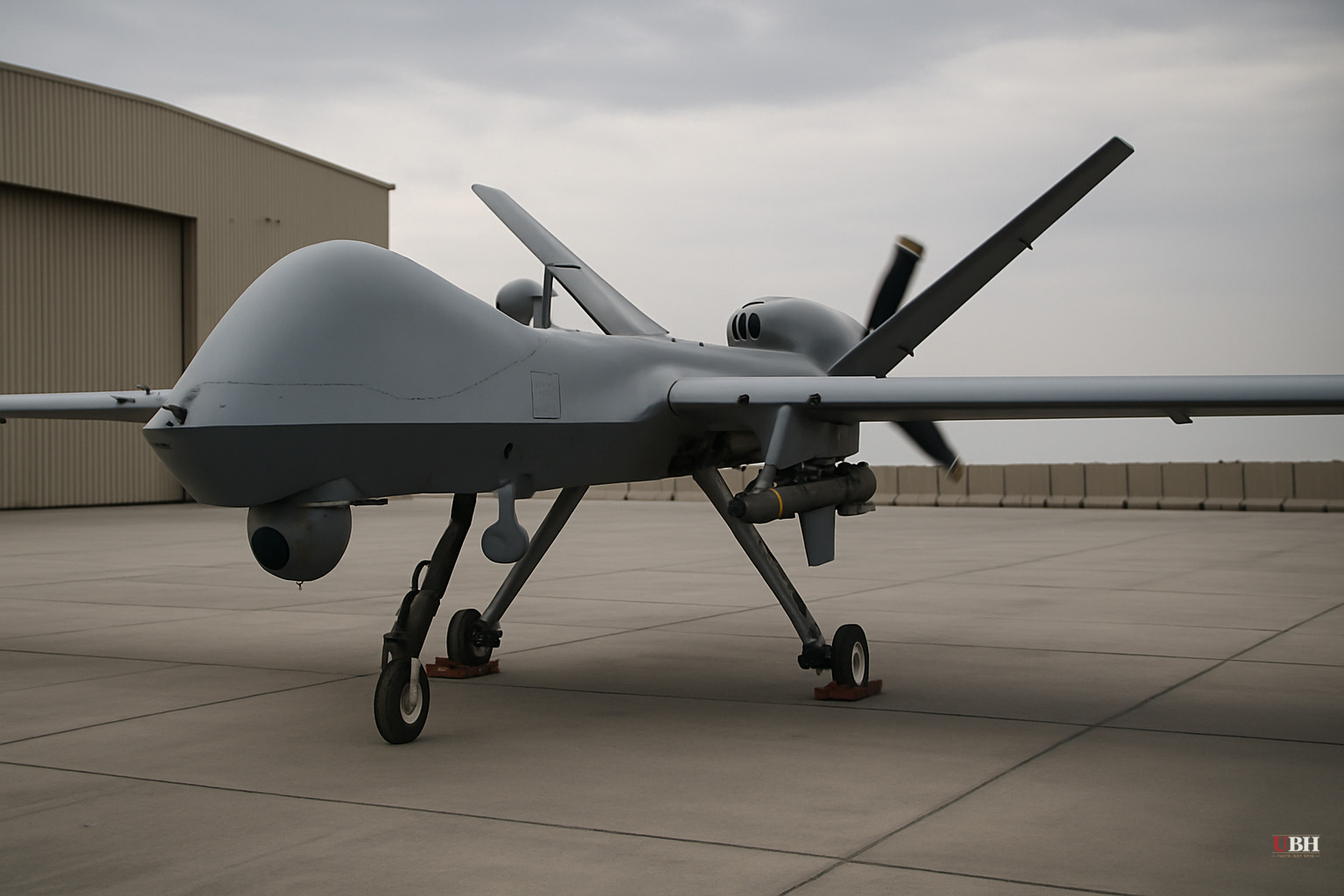
Since both chambers of Congress passed the War Powers Resolution this week — the Senate 50-48 on Tuesday, June 23 — the deal itself has become the bigger story. The resolution's enforceability remains constitutionally disputed, as the U.S. Supreme Court ruled against concurrent resolutions not requiring a presidential signature in 1983. But what is not disputed is this: Washington and Tehran cannot agree on what they actually signed.
What Trump Claims Iran Promised
In a Truth Social post Wednesday morning, Trump stated that Iran had personally informed him there would be "NO TOLLS, NO INSURANCE COSTS, & NO OTHER CHARGES OF ANY KIND" imposed on vessels transiting the Strait of Hormuz. He called prior media reports suggesting otherwise "Fake News" and added a concrete threat: if that assurance proves false, negotiations end "immediately."
He also pushed back on reports of a cash transfer to Tehran. According to Trump's post, no frozen Iranian assets have been released, though he confirmed the U.S. plans to unfreeze some funds restricted to agricultural purchases of American corn, wheat, and soybeans for Iran's domestic use. "Food is desperately needed in Iran," he wrote.
Iran has not publicly responded to Wednesday's Truth Social post, according to CNBC.
What Iran and Oman Are Actually Doing
The gap between Trump's characterization and Tehran's actions is not subtle. Following talks in Muscat, Iran and Oman issued a joint statement Tuesday saying they would form a working group to develop arrangements for Hormuz transit, including "costs associated with them in accordance with international standards." Both governments cited the sovereign rights of coastal states.
On the money, Tehran's position is equally contrary. According to ZeroHedge, Iranian officials have been publicly touting that the U.S. will unfreeze $12 billion in assets as an initial tranche, with total sanctions relief potentially reaching $50 billion if a final agreement is reached. They are insisting Iran will decide how those funds are used, not Washington.
These are not minor implementation details being worked out. They are fundamental disagreements about what the 14-point MOU says.
The Strongest Case for Iran's Position
International maritime law does recognize the rights of coastal states to regulate and charge for certain navigational services in their territorial waters. Iran and Oman framing transit fees as "costs associated with navigational services in accordance with international standards" mirrors how Panama and Egypt operate their respective canals. If the MOU's text is ambiguous on this point, Iran may have a genuine legal argument that it never surrendered that right. The 60-day technical negotiation window that both sides left open in Switzerland may have been designed precisely to defer these disputes rather than resolve them.
Deferred disputes are not resolved disputes, and markets are starting to price in the ambiguity.
Oil Falls, Tankers Surge
Brent crude dropped roughly 3% on Wednesday, trading at approximately $74.75 per barrel in futures, its lowest level since before the U.S. and Israel launched strikes against Iran on February 28, according to CNBC. WTI fell a similar amount to around $71.03.
The futures market is pricing in supply normalization. The shipping market disagrees.
According to OilPrice.com, the cost to hire a tanker in the Gulf has nearly doubled in one week, rising from roughly $106,000 per day to over $190,000 per day. Certain VLCC earnings for Hormuz transits have surged to nearly $470,000 per day. These levels would have been unthinkable before the war. The reason: roughly 100 tankers remain stranded inside the Gulf with cargoes loaded during the conflict, and traffic through the strait is still well below the pre-war average of about 125 ships per day, according to ZeroHedge citing Reuters.
Abu Dhabi's ADNOC has been aggressively marketing its backed-up crude. Indian refiners are bidding for Middle Eastern supply after months of disruption. Vessel availability is tight, and the backlog is real.
The Bypass Pipeline Push Accelerates
The Hormuz chaos has also given new urgency to infrastructure plans that Gulf states have been discussing for years. As covered in prior reporting, TotalEnergies CEO Patrick Pouyanne told an energy conference in Paris on Tuesday that bypass pipelines are "an absolute priority," identifying potential routes through the UAE, Iraq, Syria, and Turkey. The UAE's Minister of Foreign Trade Thani Al Zeyoudi has separately declared "zero Hormuz dependency" an existential necessity, according to Bloomberg.
Qatar told OilPrice.com that LNG exports could return to normal within weeks, a timeline that depends on Hormuz staying open and toll-free, which remains unconfirmed.
The Congressional Vote's Practical Weight
Senate Minority Leader Chuck Schumer said Tuesday that the resolution's passage "is unmistakable" and that Trump "must withdraw U.S. forces from hostilities." Rep. Gregory Meeks, the top Democrat on the House Foreign Affairs Committee, said he will "explore all legal avenues" to force compliance.
Four Republicans crossed over: Lisa Murkowski, Rand Paul, Bill Cassidy, and Susan Collins. Democrat John Fetterman voted no. Sens. Mitch McConnell and Dave McCormick did not vote.
The White House declined to comment on the vote, according to Defense One. Administration officials maintain hostilities ended in early April, which is when their 60-day negotiating clock started. That clock expires in early June by that count, a timeline that is already past.
The specific unresolved question sitting at the center of all this: whether the MOU's text, which neither government has released publicly in full, actually contains language on Hormuz transit fees and what it says. Until that document is public, both Washington and Tehran can claim whatever they want, and markets will keep pricing the uncertainty.
Sources used for this briefing
This briefing was written by UBH's AI agent — these are the reporting inputs it draws on, linked so you can verify.


