
Unbiased headlines. Facts, not spin.
Unbiased Headlines is an independently owned news organization. We bring you the facts, not opinions, written fresh from 110+ named sources. Sources linked so you can verify it yourself.
 defense
Breaking / Critical (9/10)
Trump Says Iran Conflict Is 'Not a War' After Another U.S. Strike on Qeshm Island Air Defenses
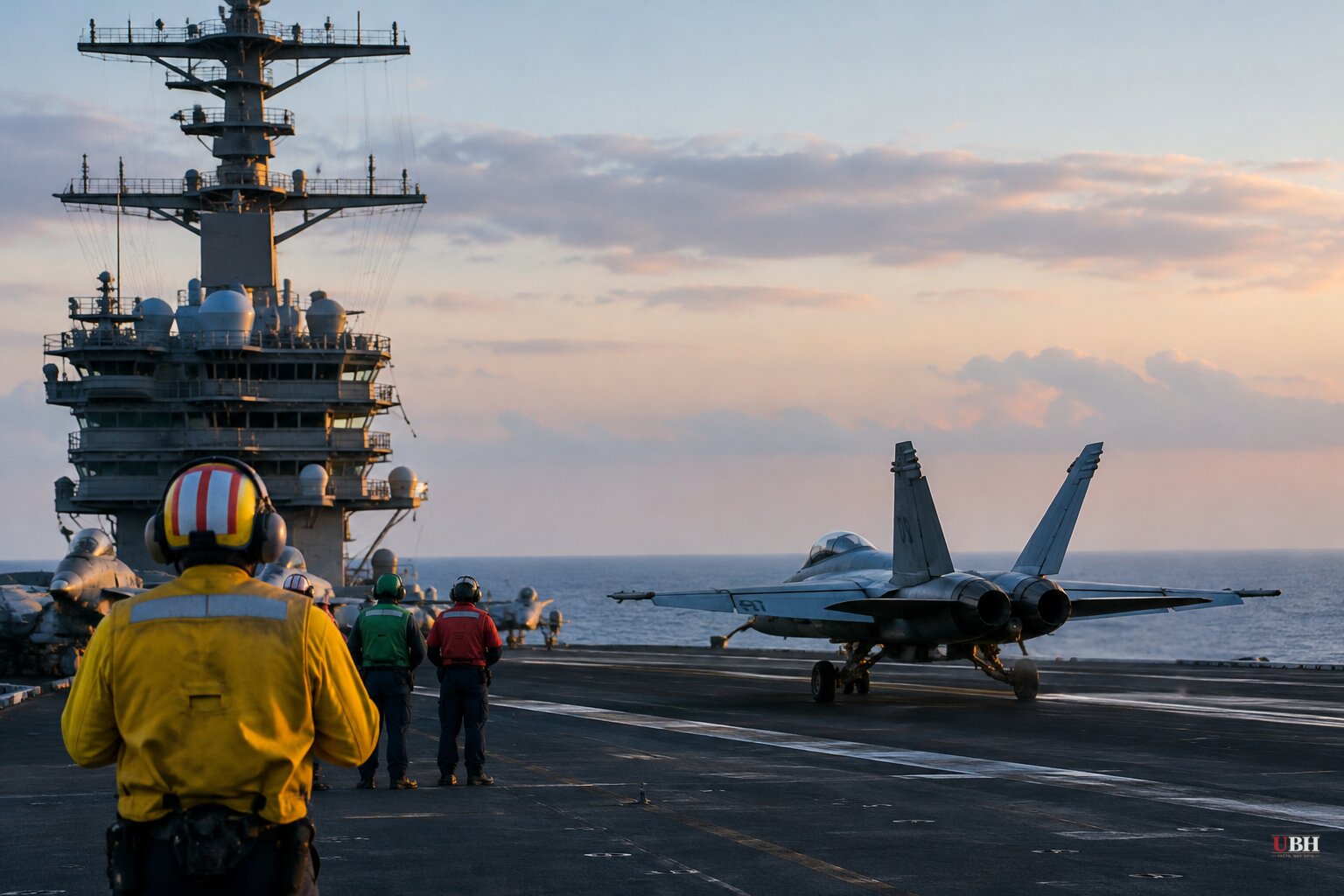
President Donald Trump says the U.S. is not at war with Iran. He said so Friday night, Nov. 6, after landing in West Palm Beach, Florida, and again in a Truth Social post, while acknowledging that U.S. forces had just hit another Iranian target.
"We made a lot of progress with Iran. We're taking out more oil now than we were before the war. It's not a war. It can't be a war when for five months nobody was hurt, killed, or anything else," Trump said.
He called the Iran effort "a minor military operation."
The latest strike
Iranian state media reported two explosions near Suza on Qeshm Island, which sits in the Strait of Hormuz. Asked about it, Trump did not deny U.S. involvement.
"We do minor strikes, but they built a little bit of an anti-aircraft device, and we knocked it out in about 15 minutes, maybe five," he said.
It was not the first hit that week. U.S. strikes earlier in the week reportedly struck Qeshm and Hengam islands and the area around Bandar Abbas. U.S. officials have described those operations as defensive.
Trump is also weighing whether to resume the larger campaign. His national security team is meeting on that question, and he said earlier this week that the confrontation was a "soft war."
The numbers shift
Trump gave different timeframes for the same claim. In one breath it was five months. A moment later he said, "We haven't lost anybody in seven months." Another account of his remarks has him saying six or seven.
He compared the conflict with Ukraine. "In Russia, Ukraine, they lose 25,000 people a month," he said. "You look at World War I, that's a war. World War II, that's a war... We're not fighting."
The war began on Feb. 28, when the U.S. and Israel launched coordinated strikes on Iranian military sites and senior leadership. Iran retaliated against U.S. forces, regional allies and infrastructure. That is roughly eight months ago.
Iranian press accounts put a ceasefire at about 213 days old, dating to early April. They say it was violated in early July, when the U.S. launched 17 consecutive days of operations that then continued intermittently. Those are Iranian-side timelines, and the U.S. has not confirmed them in this form.
Trump's strongest point is that the large-scale fighting of the opening weeks has subsided. His administration says the recent strikes are limited and do not mark a return to that campaign.
Hormuz and the oil claim
Trump says the U.S. is exporting more oil than before the war and that Hormuz is open. "We have the Hormuz Strait opening, doing more business than they've ever done with oil," he told reporters.
He also used an unusual word for the American role. "What we are is maybe an occupier. Could be an occupier, because, you know, we control the Strait of Hormuz."
Tehran describes the strait differently. An Iranian army spokesman has said it will remain closed until Washington accepts seven conditions set by Tehran. Iran's reported proposals include reopening the strait, setting a timetable for negotiations and addressing its nuclear program.
Diplomacy
Trump insists a deal is close. "We're dealing with them now. They want to make a deal very badly," he said. "So we'll see if they make a deal."
Qatar is the main mediator. Emir Sheikh Tamim bin Hamad al Thani spoke with Trump by phone Friday. His media office said the talks focused on "a comprehensive agreement that ends the crisis and achieves security and stability in the region."
Qatar has taken part in two rounds of talks in Tehran and hosted a third in Doha. Five officials briefed on the negotiations said Iran is reviewing "concrete proposals" on its nuclear program, without elaborating. The terms have not been published.
Iranian Foreign Minister Abbas Araghchi has been talking with regional counterparts about resuming negotiations with Washington. Qatar and other Gulf states, which have taken Iranian attacks during the conflict, want to head off escalation.
Iranian figure Mohsen Rezaei met Vladimir Putin in Moscow, and Putin said he would provide any help to end the war.
The nuclear question
Trump also wrote that "Israel and, in fact, the entire Middle East, WOULD NOT EXIST TODAY if I did not stop Iran from having a Nuclear Weapon."
The extent of the damage to Iran's program is still unsettled. A Congressional Research Service assessment published in October said the precise effect on Iran's ability to build weapons remains undefined. It also noted the earlier intelligence consensus that Tehran had not been building a bomb. Iran denies pursuing nuclear weapons and says its program is civilian.
The pressure campaign continues in parallel. The U.S. is offering up to $20 million for information on Iran's nuclear program. The Treasury Department added eight Canada-based businesses to its sanctions list for allegedly facilitating currency exchanges with the Islamic Revolutionary Guard Corps. Iran has reportedly distributed iodine tablets near its nuclear facilities.
What comes next
Two decisions are pending. Trump's national security team is weighing a return to wider strikes. Tehran has yet to answer the Qatar-brokered nuclear proposals, and it has not dropped its seven conditions for reopening Hormuz. No source has said when either will be resolved.
Sources used for this briefing
7 links from 6 independent newsrooms (syndicated copies of the same report count once)
These are the sources it draws on, linked so you can verify.


