
Unbiased headlines. Facts, not spin.
Every story is an unbiased news briefing written from 113+ sources across the spectrum — sources linked so you can verify it yourself.
 politics
Breaking / Critical (9/10)
September 22, 2026 at 07:38 PM
politics
Breaking / Critical (9/10)
September 22, 2026 at 07:38 PM
Trump Says Iran Choice Is Deal or 'Annihilate,' Decision Waits Until After Midterms, as Tehran Offers to Reopen Hormuz
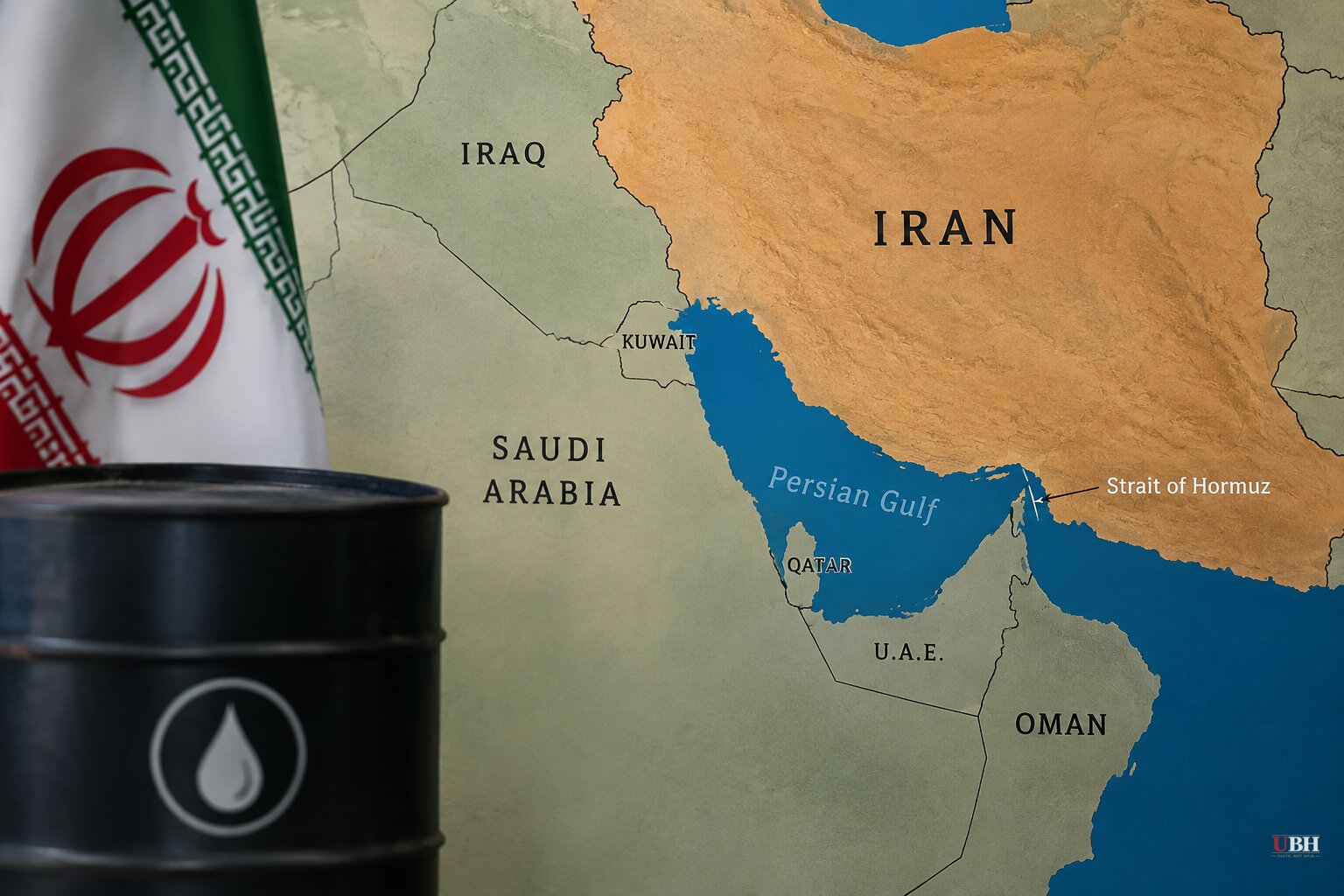
Since the U.S. and Israel launched their war on Iran in late February, the conflict has run nearly seven months with no resolution. Tuesday's session of the UN General Assembly in New York produced the most detailed public exchange yet between Washington and Tehran on how, or whether, it ends.
President Trump told the assembly a deal with Iran is possible but said he won't make his call until after November's midterm elections, according to CNN. His alternative, he said, is to "annihilate the Islamic Republic." Reuters reported Trump argued a deal doesn't make sense for Iran to avoid, adding "they're waiting to see how I do in the midterm election." Reuters also noted Trump faces domestic discontent over the unpopular war, rising energy costs and persistent inflation, tying his own political calendar directly to the timeline he's giving Tehran.
According to Inkl's report on Trump's Monday comments, he put it more bluntly: "My question is, if and when do I blow the entire nation up. They better behave." He listed Iran's options as being "wiped out," letting its economy "rot," or reaching a deal.
Iran counters with a Hormuz offer
Hours after Trump's speech, a senior Iranian official told Reuters that Tehran could reopen the Strait of Hormuz to Gulf shipping within seven days if Washington eases military pressure and lifts its blockade on Iranian ports. The official called the UN gathering a "golden opportunity for the US to return to diplomacy" and said Iran had relayed the proposal to Washington through mediators last week.
Trump, speaking after meeting British Prime Minister Keir Starmer, said Washington and Tehran were "moving toward a settlement" and that Iranian officials had been talking to his team "even today," per Reuters. He gave no details. No confirmed face-to-face meeting between US and Iranian officials has happened since an interim deal collapsed in July, weeks after it was signed.
Not everyone in Tehran is on board with concessions. Iran's parliament speaker, Mohammad Baqer Qalibaf, who led past negotiating rounds, said Tuesday that "Trump must understand that he cannot impose his power on the Iranian people and its armed forces," according to Al-Monitor's report on the Reuters wire. Iran's parliament security committee also approved new rules Tuesday fining ships 20% of their cargo value for transiting Hormuz without authorization, CBS News reported, citing the IRGC-linked Fars News Agency.
Sanctions land as flights get canceled
The diplomacy is unfolding against fresh economic pressure. Treasury Secretary Scott Bessent told CNBC that expanded US sanctions would shut down Iranian airlines worldwide starting Wednesday. CBS News reported that Iran's Tasnim news agency confirmed flights from Iran to Baghdad and Muscat would be canceled as of midnight Tuesday, with Iranian aviation officials scrambling to reroute Baghdad-bound flights to Najaf and negotiating with Oman to keep some routes open. A senior Iraqi government official told AFP, as cited by CBS, that Baghdad would comply with the US sanctions.
EU foreign policy chief Kaja Kallas met Iranian Foreign Minister Abbas Araghchi at the UN Tuesday, pressing for free transit through the Strait of Hormuz and the Bab el-Mandeb Strait and for an end to hostilities, according to CBS News. She also raised what she called a "sharp rise in executions and death sentences" in Iran. Araghchi pushed back hard, telling Fars News Agency that "America's repeated breach of agreements has been the sole factor disrupting diplomatic processes," and accusing the EU of choosing "the path of appeasement in the face of U.S. bullying."
Will Trump and Pezeshkian actually meet?
CNN reported, citing a US official, that Trump is open to meeting Iranian President Masoud Pezeshkian in New York this week "if the conditions are right," though no formal meeting has been scheduled. That reporting was carried nearly verbatim by the Times of India and Inkl, both crediting CNN as the original source. Secretary of State Marco Rubio told NBC Washington was "open to that" but had nothing scheduled. UN Ambassador Mike Waltz told CNN's Kaitlan Collins that Trump "is always open" to talks but questioned who actually speaks for Iran's government: "Who is speaking for the ayatollah? That's been a continuous issue." CNN reported uncertainty inside the administration over whether Iran's UN delegation, including Araghchi and Pezeshkian, carries the backing of Supreme Leader Ali Khamenei, who holds final say on major decisions.
Iranian officials argue Trump's repeated threats to "annihilate" or "blow up" the country make it politically impossible for Tehran's negotiators to be seen making concessions. Araghchi's appeasement charge against the EU reflects a real frustration that sanctions keep expanding even as talks are floated. On the other side, US and Gulf officials point to Iran's own hardline moves: the new 20% Hormuz cargo fee and Qalibaf's public defiance. These, they argue, are evidence Tehran isn't actually softening its position, just testing whether the UN spotlight will pressure Washington into easing sanctions first.
Pezeshkian is scheduled to address the General Assembly Wednesday, a day after Trump, according to NPR. The State Department has restricted the size of Iran's delegation and limited where its officials can travel in New York, per NPR. Whether Trump and Pezeshkian cross paths on the sidelines, and whether Iran actually moves on its seven-day Hormuz reopening offer, remain open questions with no confirmed answer from either government as of Tuesday.
Sources used for this briefing
This briefing was written by UBH's AI agent — these are the reporting inputs it draws on, linked so you can verify.


