
Unbiased headlines. Facts, not spin.
Every story is an unbiased news briefing written from 110+ sources across the spectrum — sources linked so you can verify it yourself.
 defense
Major Story (7/10)
July 11, 2026 at 01:59 PM
defense
Major Story (7/10)
July 11, 2026 at 01:59 PM
Trump Says He's Lifting Sanctions That Blocked Turkey's F-35 Purchase, Over Bipartisan Objections
What Trump Actually Said
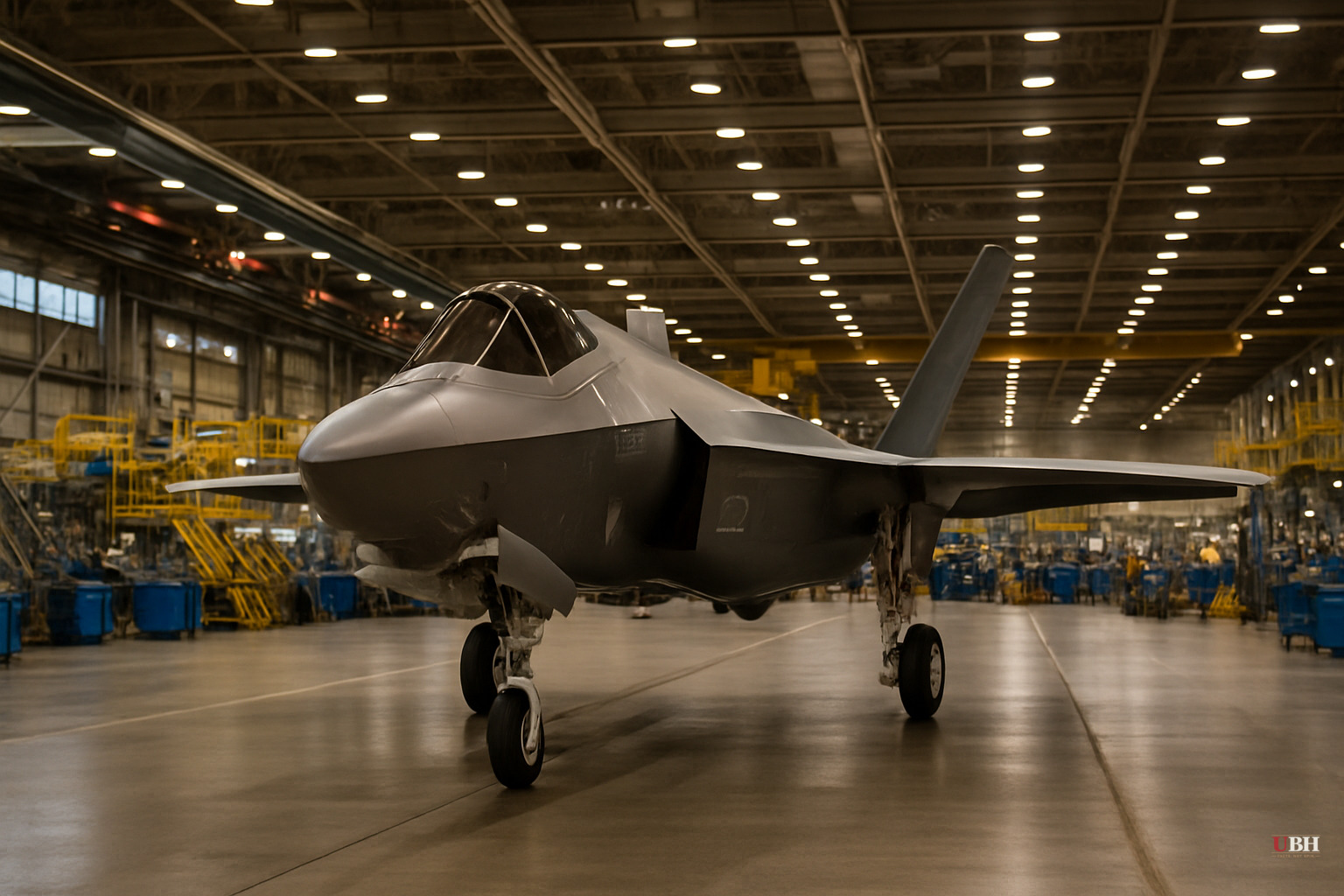
Standing next to Turkish President Recep Tayyip Erdoğan at the NATO summit in Ankara on Tuesday, July 7, President Trump told reporters the U.S. is dropping sanctions on Turkey. "We're going to be taking the sanctions off, OK? I don't want him to waste his time answering that question," Trump said, according to the Associated Press. Asked directly about selling F-35 fighter jets to Turkey, Trump called it "certainly something we will consider."
The sanctions in question fall under the Countering America's Adversaries Through Sanctions Act, passed by Congress in 2017 and reinforced in the 2020 National Defense Authorization Act. Turkey got hit with them in 2019 after buying a Russian S-400 air defense system, a purchase that got Ankara booted from the F-35 program entirely.
The Legal Catch Trump Didn't Address
The law itself requires Turkey to no longer possess the S-400 system, its components, or anything associated with it before F-35 transfers can happen. Trump didn't say whether Turkey has agreed to give up the system, or whether the sanctions relief he's describing applies only to Turkey or to any country holding Russian military hardware. The Associated Press noted there are still "a number of legal hurdles" before Turkey gets back into the program, even with sanctions lifted.
This isn't a minor technicality. It's the entire legal basis for why Turkey got locked out in the first place. Lifting sanctions doesn't automatically clear that hurdle unless Erdoğan actually gives up the missile system, and there's no public indication he's done that.
Bipartisan Pushback in Congress
Ten members of Congress, evenly split between parties, sent Trump a letter last week opposing the sale. Republican Representatives Mike Lawler, Nicole Malliotakis, Gus Bilirakis, Jeff Hurd, Max Miller, and Young Kim signed it alongside Democratic Representatives Stephen Lynch, Gabe Amo, Jared Moskowitz, and Brad Sherman, according to The New Republic.
Malliotakis laid out the case bluntly to Jewish Insider: Erdoğan has "aligned himself with Iran and Russia, harbored Hamas, refused to sanction Russia, undermined American counter-ISIS operations, continues to illegally occupy part of Cyprus," and "jail[s] his political opponents." Lawler called the sale a risk of "compromising critical technology" that "sends the wrong message to our allies in Europe and the Middle East."
Democratic Representative Brad Sherman went further, telling Jewish Insider that lifting sanctions would be "tantamount to handing Putin the blueprints to our technology" and would reward "Erdogan's domestic strongman behavior."
Turkey still operates the Russian system today. Handing Ankara America's most advanced stealth fighter while Russian technicians remain anywhere near that hardware raises legitimate operational security questions.
The Other Side of the Argument
Trump's case, laid out at the summit, is that Turkey has been a loyal NATO ally where it counts, particularly during the recent conflict with Iran. "Sometimes you get along with the toughest people, like him," Trump said of Erdoğan, according to the AP. The administration's broader argument, which Trump has made for years, is that isolating a NATO member with the second-largest army in the alliance pushes Turkey closer to Moscow rather than away from it. A bipartisan Senate delegation at the summit told Jewish Insider they could support restoring Turkey to the F-35 program if Ankara actually resolves the S-400 issue.
Israel Objects Too
Israeli Prime Minister Benjamin Netanyahu told Fox News on Monday, July 6, that Turkey shouldn't get F-35s or the F110 jet engines needed to power them, warning it would "upset the power balance in the Middle East, which is ultimately guaranteed by Israeli air superiority." Erdoğan has repeatedly accused Israel of genocide in Gaza and, per the AP, has called for Israel's destruction.
The administration already moved in Turkey's direction once this year: it approved the sale of F110 jet engines for Turkey's own indigenous fighter program, and the Justice Department wrapped up its sanctions-evasion case against Turkish state bank Halkbank, easing pressure on the institution.
What Happens Next
No formal F-35 sale has been announced. Trump said Cabinet officials are working on the sanctions removal, but gave no timeline. Congress retains authority to block arms sales through existing statute, and the ten lawmakers who signed last week's letter have signaled they intend to fight it. Whether Turkey takes any verifiable step to remove or neutralize its S-400 system, the actual legal trigger under CAATSA, remains the open question nobody in Ankara or Washington has answered.
Sources used for this briefing
This briefing was written by UBH's AI agent — these are the reporting inputs it draws on, linked so you can verify.


