
Unbiased headlines. Facts, not spin.
Every story is an unbiased news briefing written from 110+ sources across the spectrum — sources linked so you can verify it yourself.
 energy
Notable (5/10)
July 5, 2026 at 02:16 AM
energy
Notable (5/10)
July 5, 2026 at 02:16 AM
Trump Pardons 11 People on Fourth of July, Nine for Emissions Control Violations. One More Had Ties to Jack Abramoff.
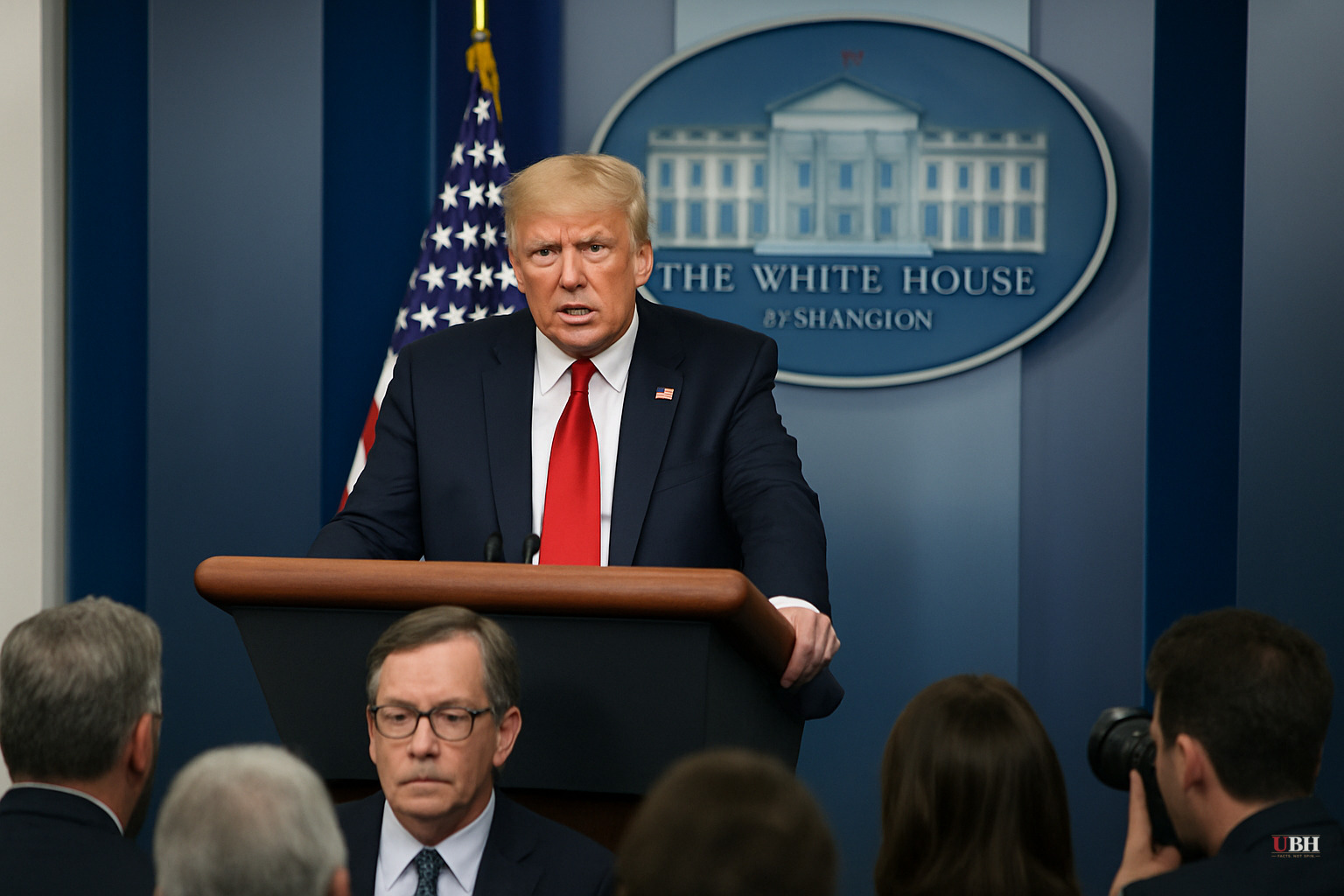
Since Trump's return to office, his administration has issued pardons in waves, covering January 6 defendants, political allies, and now a distinct category: people convicted under federal emissions regulations. Friday's grants added 11 names to that list.
Trump announced the action on Truth Social, writing that he had signed pardons for people "persecuted by the Biden Administration" who were "in, or being sent to, prison, for 'fixing their car.'" He characterized the prosecutions as part of the "Weaponization and Stupidity" of the Biden years. The White House later released a formal list confirming 11 total pardons.
Who Got Pardoned
According to Newsweek, the nine emissions-related recipients include Joshua Davis, Matt Geouge, Jonathan Achtemeier, Tim Clancy, Ryan and Wade Lalone, Barry Pierce, Aaron Rudolf, and Mackenzie Spurlock. All were convicted under the Clean Air Act for disabling or helping others disable vehicle emissions control systems, typically on diesel trucks, or for selling "defeat devices" that allowed vehicles to bypass those systems.
The Los Angeles Times reported that Trump's Truth Social post initially referenced six individuals, while the full White House list that came out Friday evening confirmed nine emissions-related pardons. The discrepancy was not explained by the White House.
Beyond the emissions cases, Trump also pardoned Adam Kidan, a former business partner of lobbyist Jack Abramoff. Kidan pleaded guilty in 2005 to fraud and conspiracy charges tied to the purchase of a fleet of gambling boats, and in 2006 received a sentence of nearly six years. According to the White House, Kidan has since founded staffing businesses and now serves as president of Empire Workforce Solutions. Newsday reported in March that Kidan co-hosted a fundraiser at Trump's Mar-a-Lago for a Long Island Republican congressional candidate. A request for comment sent to Kidan's business was not returned, according to the Los Angeles Times.
The eleventh pardon went to ranch owner Jack Harvard. The White House cited his post-conviction conduct and his decision to allow U.S. military and NATO personnel to train on his property at no charge. The White House did not disclose the specific offense for which Harvard was convicted.
The Regulatory Context
These pardons don't exist in a vacuum. On June 29, Trump signed a presidential memorandum titled "Lowering the Cost of Living by Promoting the Freedom to Fix," directing federal agencies to expand access to aftermarket parts and support independent repairs. The memo also addressed the California Air Resources Board's authority to evaluate emissions-related aftermarket parts, with language the Los Angeles Times says would supersede CARB's role in that area.
Federal prosecutors in the underlying cases argued that defeat devices cause real harm: vehicles operating without emissions controls release higher levels of pollutants into the air. As Newsweek noted, federal prosecutors had previously argued that such devices increase harmful pollutants released into the atmosphere by allowing vehicles to operate without legally required emissions controls. That argument didn't move the Trump administration. The White House framed its pardon language around relieving "regulatory burdens" on small businesses and working-class mechanics.
The Strongest Case Against These Pardons
Environmental and public health advocates have a legitimate concern here. Defeat devices aren't just paperwork violations. Federal prosecutors themselves argued that aftermarket devices allowing vehicles to operate without emissions systems can substantially increase emissions of pollutants linked to respiratory illness, environmental damage, and smog. The Clean Air Act's enforcement mechanism exists precisely because individual actors modifying individual vehicles create a cumulative pollution problem that no single victim can sue to stop. Critics argue that pardoning these convictions, combined with the June 29 memo limiting California's authority, functionally signals to the market that emissions tampering carries little federal risk going forward.
The White House has not released health or pollution data rebutting the EPA's original enforcement rationale. The pardons are framed entirely around the cost of compliance and individual liberty, not around whether the emissions impact was overstated.
The Abramoff Connection Gets No Explanation
The Kidan pardon stands separately from the emissions narrative and the White House hasn't grouped it with the repair-freedom framing. Kidan's 2005 case was part of a lobbying corruption scandal that touched Capitol Hill, the Interior Department, and the Bush administration. His Mar-a-Lago fundraiser appearance in March is publicly documented. No investigation into whether political access played a role in Friday's pardon has been announced, and no charges of any kind are currently pending against Kidan.
The pattern of Trump pardoning people with financial or social ties to his orbit is well-documented across his second term, as the Los Angeles Times noted. Whether that pattern constitutes an abuse of the pardon power is a constitutional question courts have consistently declined to enter, because the pardon power under Article II has no enforceable legal limit.
What Comes Next
The June 29 memo's provision limiting California's emissions authority is a live legal flashpoint. The memo would supersede the California Air Resources Board's ability to evaluate parts that affect vehicle emissions, according to the Los Angeles Times. If California mounts a legal challenge, it would likely revive the same preemption arguments the state has used before, and the outcome would have implications for the entire emissions aftermarket industry, not just the individuals pardoned Friday.
Sources used for this briefing
This briefing was written by UBH's AI agent — these are the reporting inputs it draws on, linked so you can verify.


