
Unbiased headlines. Facts, not spin.
Every story is an unbiased news briefing written from 110+ sources across the spectrum — sources linked so you can verify it yourself.
 defense
Major Story (7/10)
August 1, 2026 at 07:34 PM
defense
Major Story (7/10)
August 1, 2026 at 07:34 PM
Trump Ordered 11 Arctic Icebreakers in a No-Bid, $7 Billion Deal After a Golf Course Chat With Finland's President
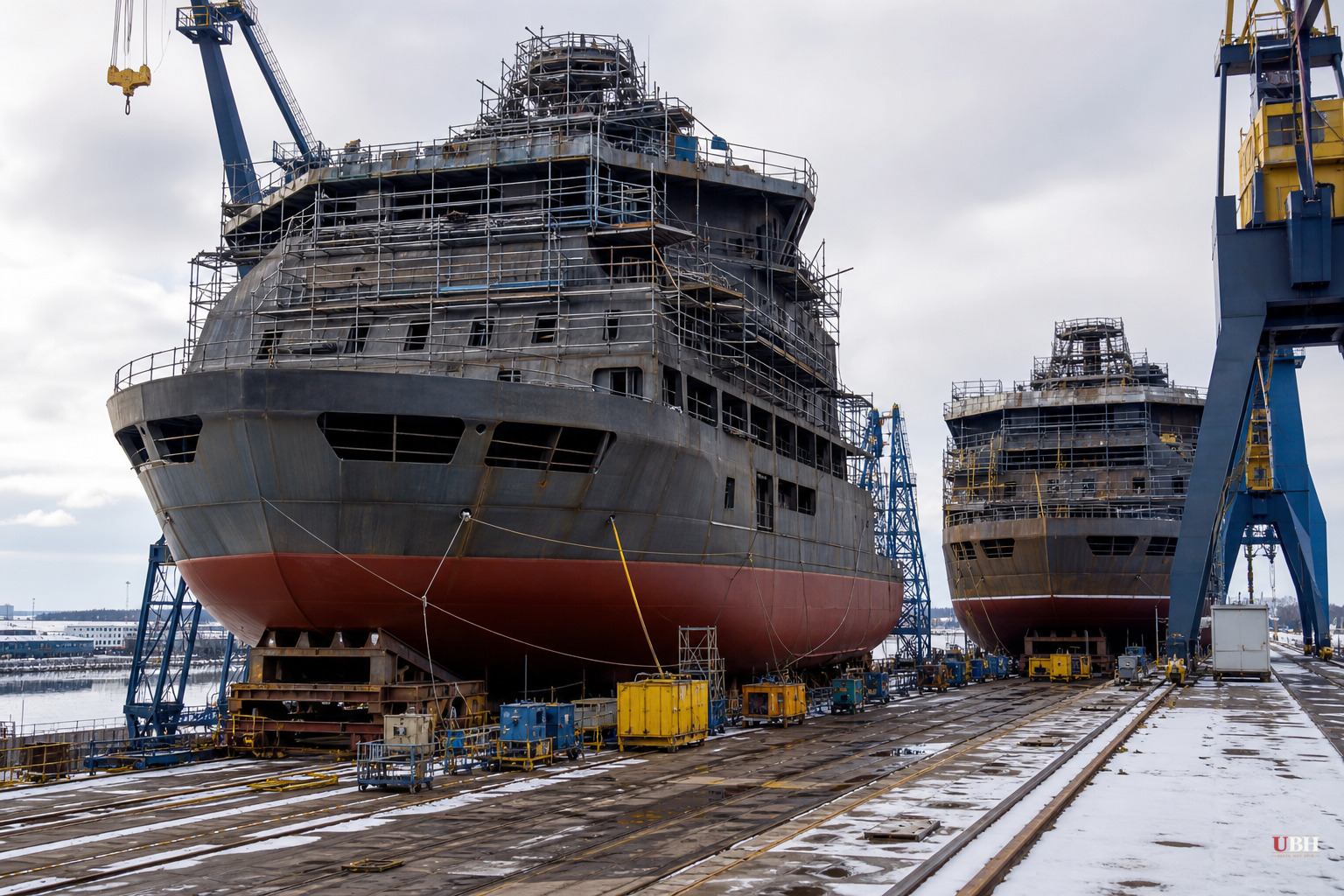
President Trump wants 11 new polar icebreakers. The Coast Guard's own 2023 study said the fleet needs four or five.
That gap between what was ordered and what was assessed as necessary is now the center of a real argument about how the U.S. government buys military hardware, according to a New York Times investigation.
The Golf Course Origin Story
Last August, Trump called Finnish President Alexander Stubb, who was at his summer residence outside Helsinki. The call wasn't about routine defense cooperation. Trump wanted Arctic icebreakers, and he wanted Finland involved.
The relationship went back further than that call. Trump visited Finland in 1992 hoping to buy a vessel and turn it into a floating casino. While there, he learned Finland had built roughly 60% of the world's icebreakers, a fact that reportedly stuck with him for three decades.
The two leaders later met at a golf tournament, where Stubb gave Trump a photograph of an icebreaker as a gift. Trump followed up by announcing an expanded Arctic partnership with Helsinki. Finland, for its part, saw the opening as a chance to deepen ties with Washington inside NATO, a reasonable and legitimate diplomatic goal for a country that borders Russia.
The Contract: No Bidding, Foreign Yards, Waived Rules
What followed was a nearly $7 billion commitment to build 11 icebreakers, according to the Times investigation. The contracts went out without open competition. Finland was tapped to build the first batch, despite U.S. law generally restricting construction of national-security vessels to American shipyards. Waivers were required to make that happen.
Bypassing competitive bidding on a multibillion-dollar military-adjacent contract and waiving domestic-build requirements to hand early work to a foreign shipyard is the kind of procurement shortcut that normally draws bipartisan scrutiny. A commentary roundup circulated by Buttondown made exactly this point, arguing that if a Democratic president had waived the same shipbuilding rules for the same foreign yard, it would be treated as a scandal rather than a "historic milestone." That's a fair charge. Process matters independent of which administration cuts the corner.
Does the U.S. Actually Need 11 Ships?
One argument for going big: the Arctic is opening up. Melting sea ice is creating new shipping lanes and exposing mineral resources that weren't accessible before. Russia already operates the world's largest icebreaker fleet. China, though not an Arctic nation, has been investing in polar capability too. An administration official's argument that the U.S. is dangerously behind and needs to reassert a military and security presence in the region isn't unreasonable on its face.
The problem is the number doesn't match the Coast Guard's own assessment. The 2023 study put the real requirement at four or five vessels, according to reporting from the Daily Beirut. Eleven is more than double that. Specialists cited in that reporting also pushed back on direct comparisons to Russia's fleet, noting Moscow's requirements and mission set differ substantially from what the U.S. Coast Guard actually needs to patrol and support American Arctic operations.
No formal, published operational assessment has been presented to justify jumping from five ships to 11. A documented gap exists between the stated requirement and the ordered quantity.
Who Pays, and For What Else
Eleven icebreakers need ports, maintenance infrastructure, and trained crews. None of that is cheap, and according to the Daily Beirut's reporting, there's no comprehensive plan yet for financing that support structure. Estimates suggest those additional costs could run into the billions beyond the ship contracts themselves.
More pointed: much of the funding for this deal has been pulled from appropriations originally earmarked for border security, according to that same reporting. That's a real trade-off Congress and taxpayers deserve a fuller accounting of. If border security money is being redirected to Arctic shipbuilding, lawmakers should be told exactly how much, from which accounts, and why.
What's Actually Unresolved
No evidence in the available reporting suggests criminal wrongdoing or a formal investigation into the contracts.
What remains genuinely open: whether Congress will demand a public accounting of the fund transfers from border security accounts, whether the Coast Guard will issue an updated operational assessment justifying 11 ships instead of five, and whether the legal waivers permitting foreign construction of the first icebreakers will face a court or congressional challenge. None of those questions have been answered yet.
Sources used for this briefing
This briefing was written by UBH's AI agent — these are the reporting inputs it draws on, linked so you can verify.


