
Unbiased headlines. Facts, not spin.
Every story is an unbiased news briefing written from 110+ sources across the spectrum — sources linked so you can verify it yourself.
 defense
Major Story (7/10)
July 24, 2026 at 01:05 AM
defense
Major Story (7/10)
July 24, 2026 at 01:05 AM
Trump Officials Weigh Strikes on Al-Qaeda Affiliate in Mali as Congress Says It Was Never Told
The Trump administration is debating whether to launch military strikes against an al-Qaeda affiliate in Mali, according to a Wednesday report from The Washington Post citing current and former US officials. If it happens, Mali would become the eighth country where Trump has ordered military action since returning to office.
The target is Jama'at Nusrat al-Islam wal-Muslimin, known as JNIM, a group the State Department designated a foreign terrorist organization in 2018. JNIM has been running a major offensive alongside Tuareg separatists, formally called the Azawad Liberation Front, against Mali's military government, according to Anadolu Ajansı.
That government took power in a 2021 coup and has since aligned itself with Russia, which supplies mercenary support to Malian forces. Ukraine, notably, has provided drones and intelligence to the Tuareg militants fighting on the other side, according to AntiWar.com.
Officials split, Gorka pushing for action
The Washington Post reported that senior administration officials disagree on whether to move forward. Sebastian Gorka, the British-born former radio host now serving as the National Security Council's senior director for counterterrorism, is named as a leading advocate for military intervention, according to both The Washington Post and Anadolu Ajansı.
Gorka has pushed this line before. He backed escalating US airstrikes in Somalia against al-Shabaab, and got it, according to AntiWar.com, which notes the US has conducted a record number of strikes there under Trump. Al-Shabaab has continued gaining ground against the US-backed Somali government regardless, per that same reporting.
Asked directly whether the US intends to strike in Mali, a White House official didn't confirm or deny it, according to Anadolu Ajansı. Instead the official called Sahel terrorism a "multinational problem," urged "regional partners and NATO allies to support the Alliance of Sahel States in their war against JNIM and ISIS," and placed blame for the region's security collapse on Russia, calling it "an ineffective security partner for Mali." The Pentagon declined to comment. The State Department said the US "unequivocally condemns the terrorist activity in Mali."
The Alliance of Sahel States is a confederation of Mali, Burkina Faso, and Niger, three countries where military juntas ousted governments that had close ties to Western nations and the Economic Community of West African States.
Congress says it found out from the news
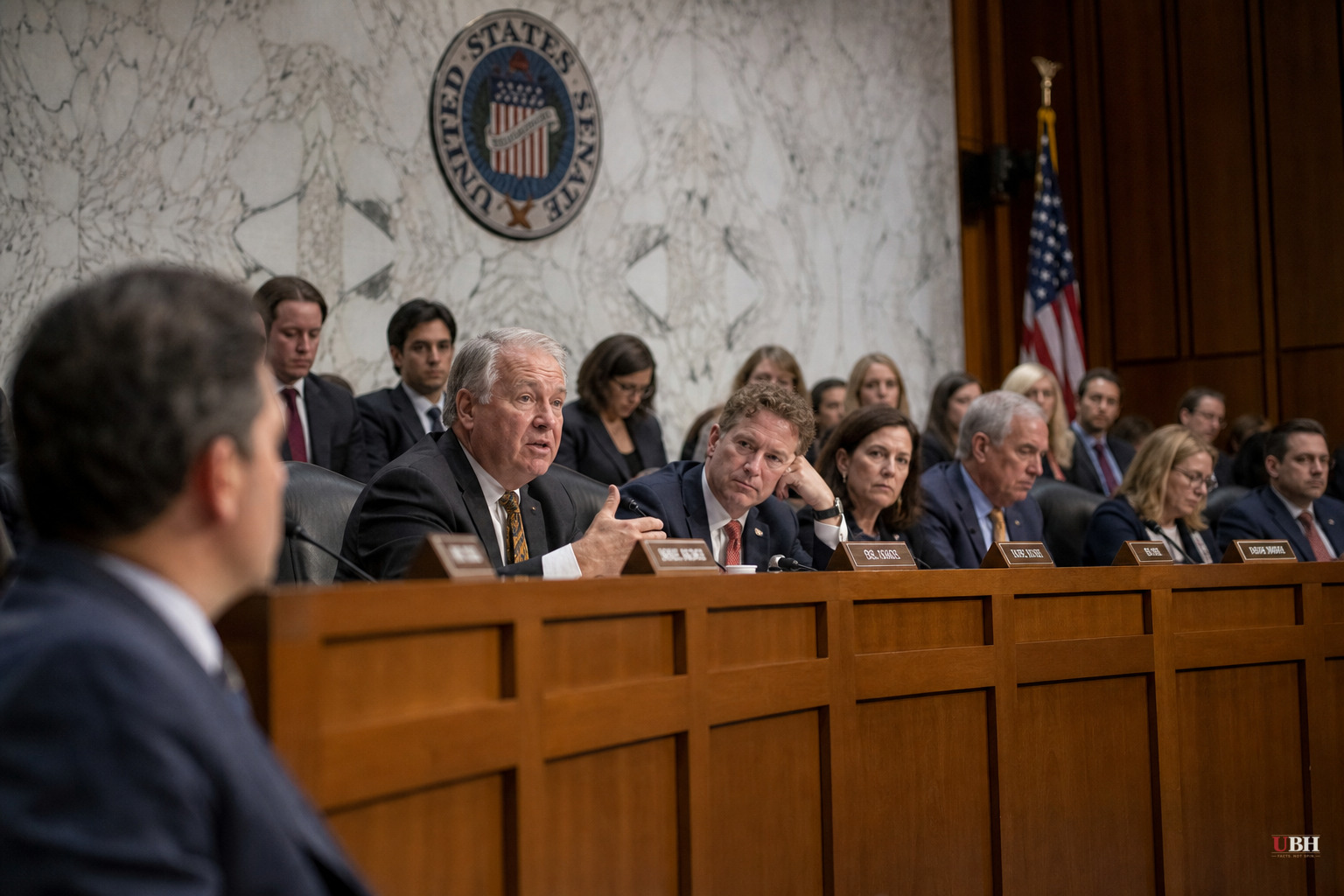
Semafor asked senators from both parties about the reported plans on Thursday and got a consistent answer: they didn't know.
"What US military intervention?" said Sen. Chris Coons, D-Del., a member of the Senate Foreign Relations Committee. "I don't know anything other than you asking me right now."
Sen. Tim Kaine, D-Va., said he'd "seen headlines" but "heard nothing from the administration." Sens. Ted Cruz, R-Texas, Todd Young, R-Ind., Josh Hawley, R-Mo., Mark Kelly, D-Ariz., Raphael Warnock, D-Ga., and Chris Van Hollen, D-Md., told Semafor they either hadn't seen the reports or hadn't been briefed.
If lawmakers on the Foreign Relations Committee are learning about potential new combat operations from newspapers rather than classified briefings, that raises questions about congressional oversight. War powers exist for a reason, and repeated bypassing of that consultation, whether under Trump or any president, affects the check that's supposed to exist before troops or airstrikes get committed.
Kelly was blunt about the pattern: "It doesn't seem to me that this president ever hesitates to use, or at least threaten, military intervention. It's already got us into a war in Iran with no strategic goal." Kaine called it possibly "another foolish Trump war." Sen. Cory Booker, D-N.J., said he has "concerns about a military adventurism of our country," and argued that cuts to US aid and diplomacy have already undermined stability in the region.
Coons raised a separate, more practical question: whether strikes would even work. "JNIM is not going to suddenly give up because we drop munitions on them," he told Semafor, pointing to the ongoing Iran conflict as evidence of "the limits of air power."
The Somalia experience AntiWar.com cites is the closest precedent: years of intensified US airstrikes against al-Shabaab with the group still gaining territory. If the administration is going to make the same bet in Mali, it owes Congress and the public an actual theory of how bombing runs defeat an insurgency that's been expanding for years.
Meanwhile, US diplomatic engagement with Bamako has quietly picked up despite years of friction. Assistant Secretary of State for African Affairs Frank Garcia visited Mali last week, his first trip to the continent, meeting with the prime minister and foreign minister, according to Semafor.
No strikes have been authorized. No timeline has been set. Whether the administration briefs the relevant congressional committees before, rather than after, any decision is the next thing worth watching.
Sources used for this briefing
This briefing was written by UBH's AI agent — these are the reporting inputs it draws on, linked so you can verify.


