
Unbiased headlines. Facts, not spin.
Every story is an unbiased news briefing written from 110+ sources across the spectrum — sources linked so you can verify it yourself.
 defense
Major Story (8/10)
July 7, 2026 at 03:08 PM
defense
Major Story (8/10)
July 7, 2026 at 03:08 PM
Trump Lifts Turkey Sanctions at NATO Summit in Ankara, Opens Door to F-35 Sales Over Bipartisan Congressional Opposition
What Happened
President Trump arrived in Ankara, Turkey, on Tuesday morning and announced alongside Turkish President Recep Tayyip Erdoğan that the United States will lift sanctions imposed on Turkey under the Countering America's Adversaries Through Sanctions Act, commonly known as CAATSA.
"We're going to be taking the sanctions off," Trump told reporters. "It's time to do that. Okay? We don't want to sanction friends. It's very simple."
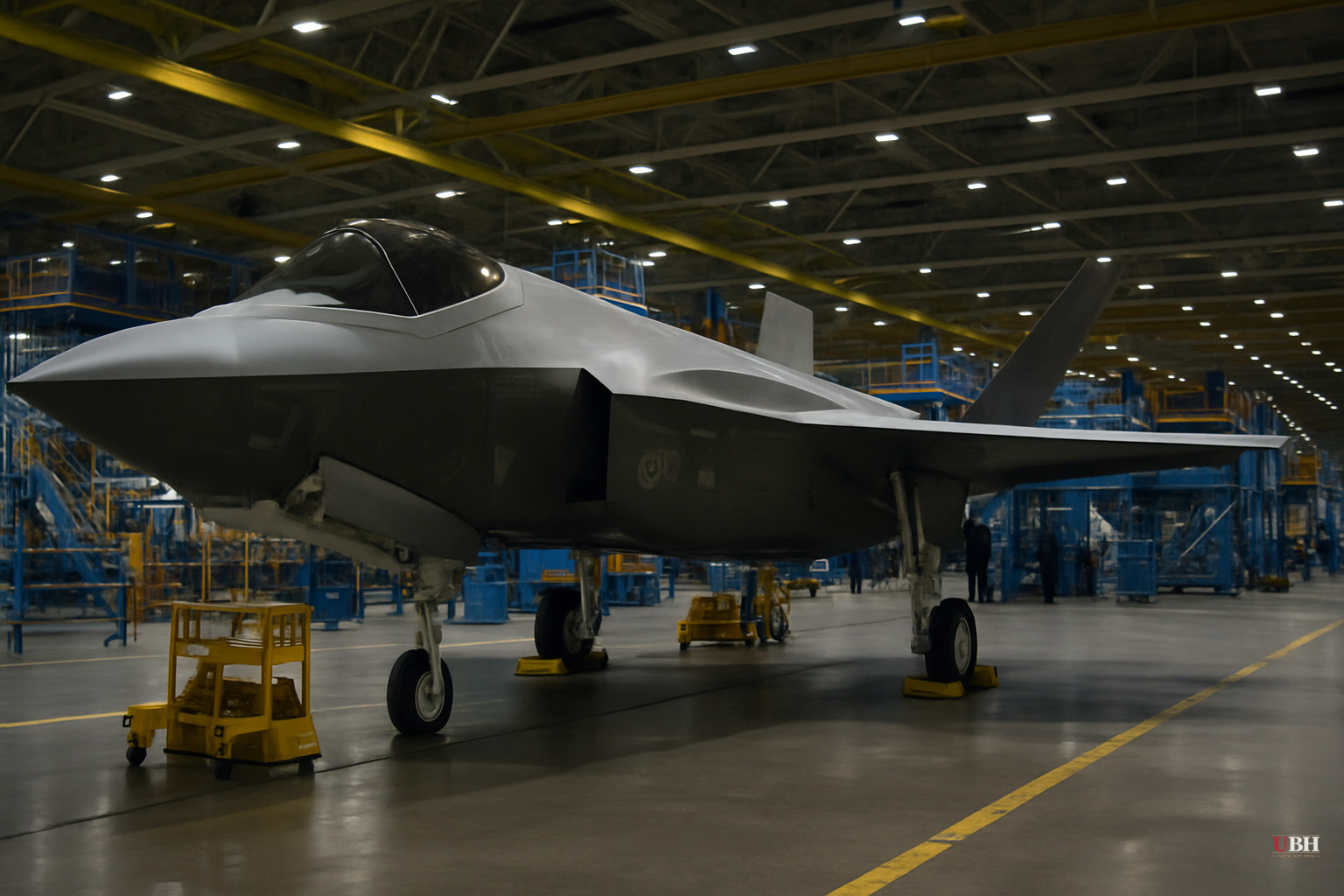
Trump also said the U.S. is considering allowing Turkey to rejoin the F-35 fighter jet program, from which Ankara was barred in 2019 after it purchased Russia's S-400 surface-to-air missile system over repeated U.S. warnings. The formal sanctions under CAATSA followed in 2020.
The Legal Problem
Congress didn't just leave this to executive discretion. The 2020 National Defense Authorization Act contains explicit language prohibiting the transfer of F-35s to Turkey unless it "no longer possesses" the S-400 system, its components, or anything associated with it, according to The New Republic.
Trump did not clarify Tuesday whether the sanctions lift applies only to Turkey or to all countries holding Russian military articles. Both the legal exposure and the signal sent to other nations weighing Russian defense purchases depend on that distinction.
The administration has already authorized the sale of F110 fighter jet engines to Turkey for use in developing Ankara's own domestic fighter aircraft, according to The New Republic. It also wrapped up a Department of Justice lawsuit against Turkish state bank Halkbank over alleged sanctions violations related to Iran, significantly reducing that institution's legal exposure.
Who's Fighting It
The opposition is bipartisan and explicit. Last week, ten members of Congress — six Republicans and four Democrats — sent a letter to Trump opposing the F-35 sale.
The Republican signatories were Representatives Mike Lawler, Nicole Malliotakis, Gus Bilirakis, Jeff Hurd, Max Miller, and Young Kim. The Democratic signatories were Representatives Stephen Lynch, Gabe Amo, Jared Moskowitz, and Brad Sherman. Their letter stated that Turkey's "continued aggression toward our greatest partners along with his troubling defense partnerships with our adversaries" makes the sale contrary to U.S. national interests.
Israeli Prime Minister Benjamin Netanyahu told Fox News on Monday that he opposes both the F-35 sale and the F110 engine transfer, arguing that Israeli air superiority underpins the regional power balance and that arming Turkey with advanced U.S. aircraft would upset it.
The Case for the Move
The strongest argument in Trump's favor is strategic. Turkey has been a NATO member since 1952, controls the Bosphorus strait, hosts Incirlik Air Base, and has real military leverage in a region where U.S. options are shrinking. Leaving Ankara in a sanctions gray zone pushes Erdoğan further toward Moscow and Beijing, not away from them. NATO Secretary General Mark Rutte noted ahead of the summit that European allies and Canada increased core defense spending by nearly 20% year-over-year, and that allied investment in military drone technology will top $40 billion over the next five years, according to Democracy Now. Keeping Turkey fully integrated is easier if it's not being economically penalized.
Secretary of State Marco Rubio described this NATO gathering as "probably the most important meeting in NATO's history," according to CBS News. If that framing is accurate, alienating a member-state of Turkey's size on the opening day would be counterproductive.
Context on Erdoğan
None of this changes what Erdoğan is. Turkey has documented human rights problems. Its economic ties with Russia remain active. Erdoğan has used his leverage over NATO accession votes to extract concessions from other members. The summit's location in Ankara, the Turkish capital, is itself a geopolitical gift to Erdoğan at a moment when his relationships with several European governments are strained, as CBS News noted.
Trump was direct about why he showed up: "If it weren't held in Turkey, where my friend happens to be a very strong leader, it's possible that I wouldn't have attended."
Public praise for a leader with Erdoğan's record warrants scrutiny. Calling him a friend and praising his strength while simultaneously loosening sanctions and offering advanced weapons is a significant policy package, not just diplomatic courtesy.
The 5% Defense Spending Push
Separate from the Turkey-specific announcements, Trump is using the Ankara summit to press NATO members to raise defense spending to 5% of GDP, up from the alliance's existing 2% benchmark. NATO allies committed to investing 5% of their GDP on defense by the year 2035 at last year's summit in The Hague. Most members still fall short of even the 2% threshold. The 5% target would require dramatic budget realignments across Europe.
The Open Question
The central unresolved issue as of July 7, 2026: does Turkey have to give up its S-400 system before the F-35 transfer can legally proceed under the NDAA language? Trump has not answered that. Congress has not waived that requirement. If the administration moves forward without resolving it, the transfer will face a direct legal challenge, and the bipartisan coalition already on record in opposition has the standing and the stated will to press it.
Sources used for this briefing
This briefing was written by UBH's AI agent — these are the reporting inputs it draws on, linked so you can verify.


