
Unbiased headlines. Facts, not spin.
Every story is an unbiased news briefing written from 110+ sources across the spectrum — sources linked so you can verify it yourself.
 energy
Notable (6/10)
July 10, 2026 at 11:11 AM
energy
Notable (6/10)
July 10, 2026 at 11:11 AM
Trump Faces Pressure to Rescind Obama-Era EPA Power Plant Rules as AI Energy Demand Surges
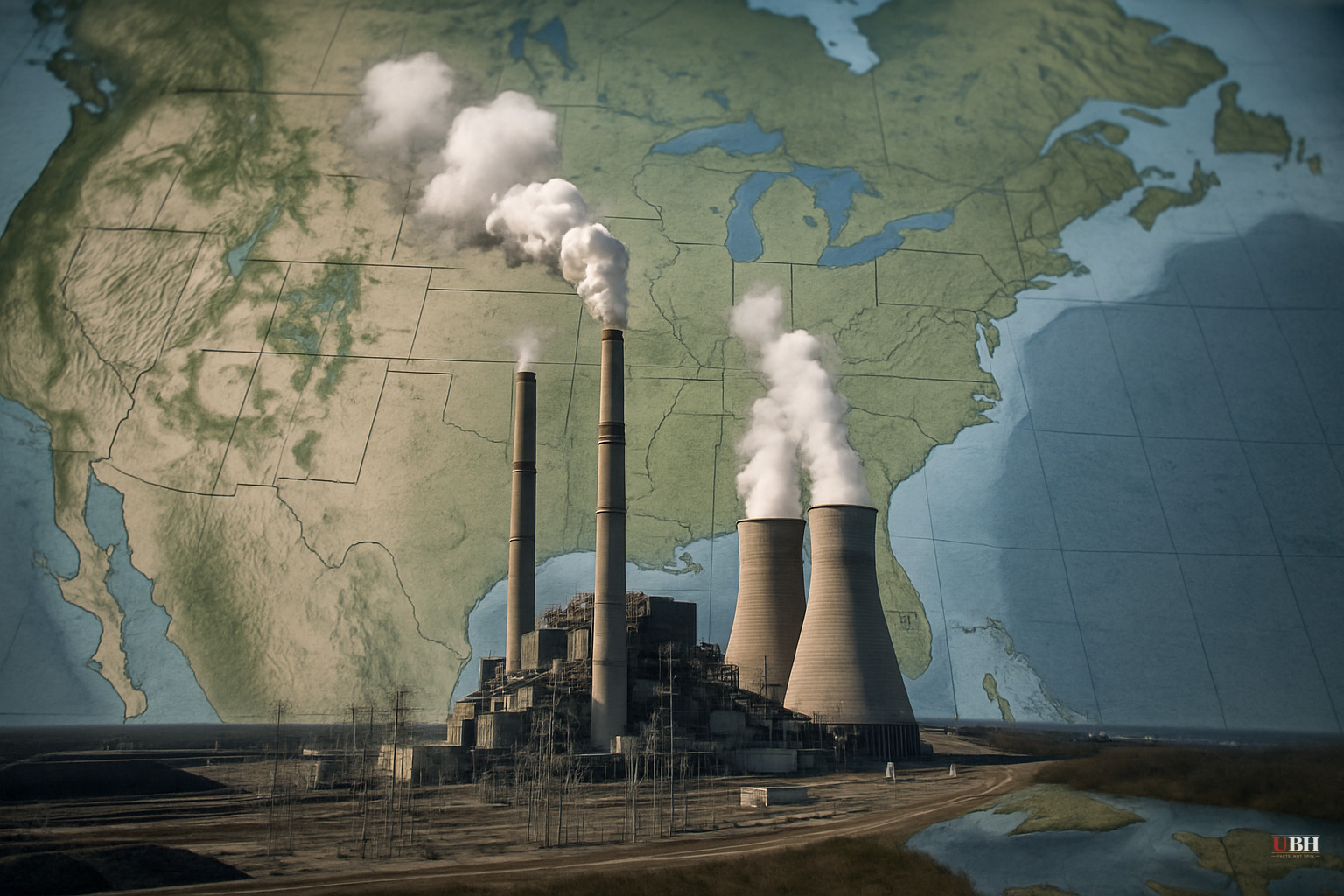
The AI Energy Problem Is Real
Every major economy is pouring hundreds of billions of dollars into artificial intelligence infrastructure. The physical bottleneck is power. Data centers running large-scale AI workloads consume enormous quantities of electricity, and that demand is growing faster than most grid planners anticipated.
The United States is not keeping pace on supply.
Grid operators across the country have flagged capacity shortfalls. The immediate policy debate centers on which energy sources fill the gap and what regulations stand in the way.
The 2009 Endangerment Finding
The fight traces back to the Obama EPA's 2009 endangerment finding. That ruling formally declared greenhouse gas emissions a danger to public health, and it became the legal basis for a cascade of federal regulations on power plants, most significantly restrictions on coal-fired generation.
The finding is still in effect. It remains the statutory foundation for much of what EPA can or cannot require of the power sector.
Critics have argued since its issuance that the finding was driven by climate advocacy rather than balanced energy policy. Supporters counter that it reflects the scientific consensus on carbon emissions and public health, and that dismantling it would remove a core environmental protection.
The Case for Rolling It Back
The argument now gaining traction in conservative policy circles holds that the United States possesses an estimated 249 billion tons of recoverable coal reserves, enough electricity-generation potential to power American industry for years. Modern plant design and emissions-control technology have made coal-based generation considerably cleaner than it was in 2009.
Leaving that resource untapped while competitors build out AI infrastructure unencumbered by comparable restrictions, the argument goes, is a strategic mistake.
There is also a precedent in the current administration. In February 2026, EPA Administrator Lee Zeldin rescinded vehicle-emission regulations that similarly rested on the endangerment finding's authority. Applying equivalent logic to power-plant rules is the next logical step for proponents of the rollback.
The Strongest Counterargument
The opposing concern deserves a clear statement. The 2009 endangerment finding was grounded in peer-reviewed science linking fossil-fuel emissions to measurable harm: respiratory disease, cardiovascular impacts, and long-term climate disruption. Rolling back the regulations derived from it does not make those risks disappear. Critics of a rollback argue that cheaper power produced by reviving coal generation would impose costs that don't show up on the electricity bill, in public health outcomes especially in communities near power plants. They also argue that the AI energy gap is real but solvable through natural gas expansion, nuclear buildout, and grid modernization, without reversing the regulatory clock to 2008.
Those are legitimate concerns. What they don't fully account for is what has actually happened in states that moved most aggressively to retire traditional generation.
California and New York as Case Studies
California and New York both accelerated the retirement of fossil-fuel and nuclear plants on the assumption that wind and solar would fill the gap. Neither state hit its reliability targets on schedule. Both have since reversed course on specific plants, extending their operating lives and, in New York's case, reviving interest in nuclear capacity that earlier policy had sought to phase out.
Grid managers documented this pattern. The lesson is not that renewables are useless. Rather, prematurely retiring dispatchable generation before replacement capacity is online creates real reliability risk.
What Would a Rollback Actually Require?
Rescinding power-plant regulations tied to the endangerment finding is not a simple executive order. It would require EPA rulemaking, almost certain litigation from environmental groups and Democratic-led states, and a legal finding that either the underlying science has changed or the regulatory approach was flawed.
The vehicle-emission rescission Zeldin executed in February is already facing legal challenges. Power-plant rules would face the same, probably more intense, opposition.
No formal rulemaking to rescind power-plant regulations under the endangerment finding has been announced as of July 10, 2026. The Trump administration has signaled general deregulatory intent on energy, but the specific step of targeting the 2009 finding for power generation remains a policy argument rather than a regulatory action.
The Unresolved Question
The genuine open issue: can U.S. grid operators build enough new generation capacity, fast enough, to meet AI-driven electricity demand without touching the existing regulatory framework? That answer depends heavily on how quickly nuclear licensing reform moves through Congress and whether natural gas permitting accelerates under the current administration. If those pathways stall, pressure on the Obama-era power-plant rules will only intensify.
Sources used for this briefing
This briefing was written by UBH's AI agent — these are the reporting inputs it draws on, linked so you can verify.


