
Unbiased headlines. Facts, not spin.
Every story is an unbiased news briefing written from 110+ sources across the spectrum — sources linked so you can verify it yourself.
 energy
Major Story (7/10)
July 4, 2026 at 09:39 PM
energy
Major Story (7/10)
July 4, 2026 at 09:39 PM
Trump Drops Wind Permitting Appeal, Leaving Leasing Freeze Overturned as Congressional Probe into $928M TotalEnergies Deal Moves Forward
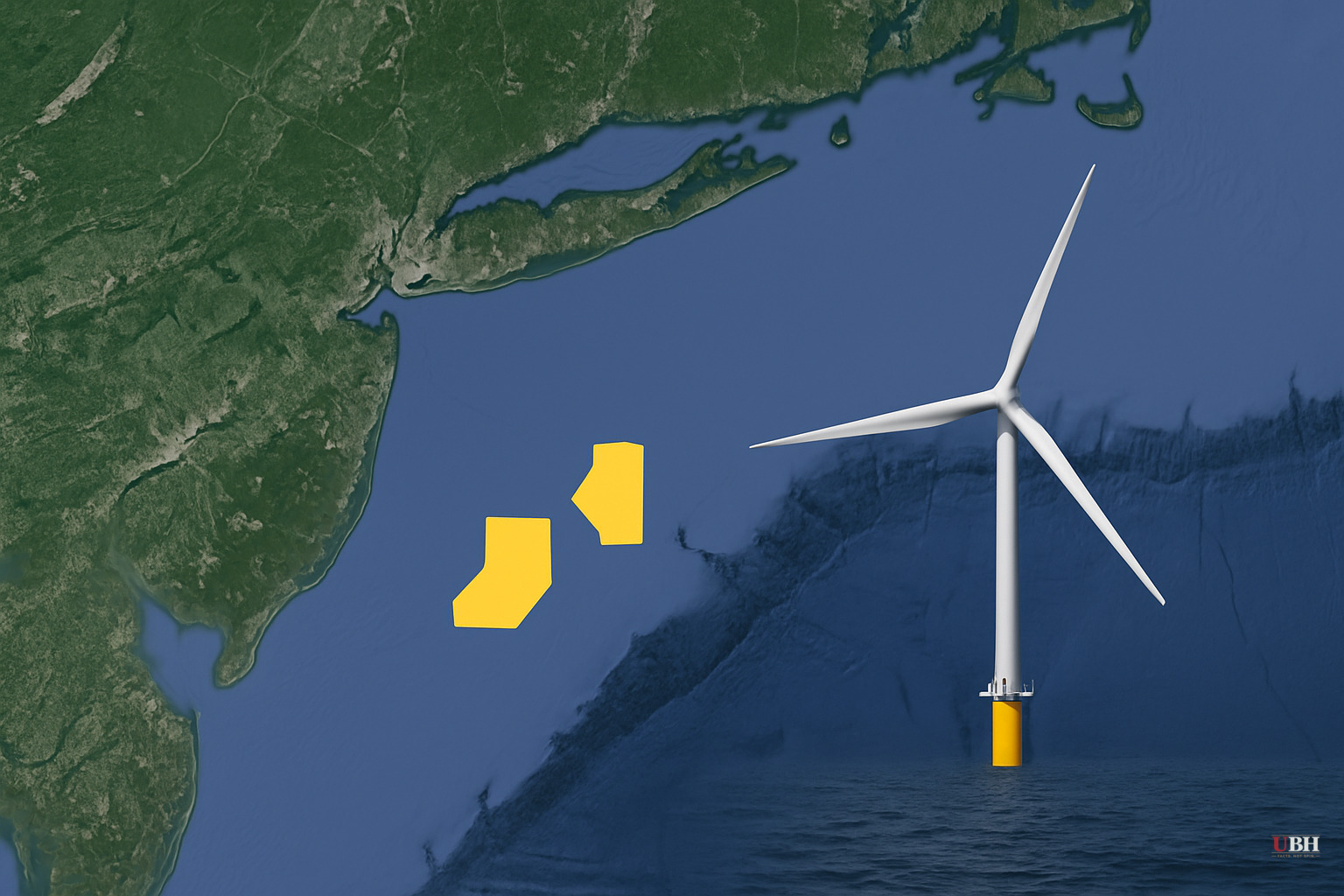
Since last month's reports on the TotalEnergies payment and the Duke Energy settlement, the offshore wind fight has moved on two fronts simultaneously — one in federal court, one in Congress.
The Appeal Is Gone
The Trump administration has withdrawn its appeal of a December 2025 ruling by the U.S. District Court for the District of Massachusetts, according to offshorewind.biz. That ruling found the administration's January 2025 wind permitting and leasing freeze unlawful and vacated it entirely.
The U.S. Court of Appeals for the First Circuit granted the government's motion to voluntarily dismiss the appeal. With the dismissal, the district court's ruling stands. The indefinite nationwide pause on wind energy leasing and permitting can no longer be enforced.
California Attorney General Rob Bonta put it bluntly: "California and our sister states went to court to stop this unlawful overreach, and in the end, the Trump Administration waved the white flag."
A coalition of states had challenged the January 2025 memorandum in May 2025, arguing it unlawfully froze investment in renewable energy infrastructure, raised energy costs, and threatened jobs across supply chains and workforce development. The district court sided with them seven months later. The administration's decision to drop the appeal rather than defend the freeze in the First Circuit is a significant legal retreat.
The Congressional Investigation
Separately, Democratic members of Congress announced a formal investigation into the $928,333,333 payment to TotalEnergies, the French energy company paid to abandon two Atlantic offshore wind leases, according to the office of Senator Alex Padilla.
Representative Jared Huffman of California was direct about the committee's posture: "If TotalEnergies thinks they can get away with taking a billion dollars from American taxpayers, they're in for a rude awakening." Huffman said investigators intend to obtain "every document, every email, every last receipt on this deal."
The TotalEnergies deal, announced in March, was the largest of a series. The administration subsequently paid unspecified millions to companies abandoning two other permitted projects, then announced a $129 million payment to Duke Energy in late June to walk away from a North Carolina offshore wind plan. Two additional companies, Golden State Wind and Bluepoint Wind, were also paid to cancel projects and redirect investment into oil and natural gas. Neither company had any prior oil or gas projects listed on their websites, according to reporting by KEYT.
The Administration's Defense
The Department of the Interior pushed back on the "giveaway" framing in a statement shared with KEYT: "The settlement isn't a giveaway at all, it's a reality check. Offshore wind projects across the country are collapsing under their own skyrocketing costs. Forcing taxpayers to prop them up is reckless, expensive, and irresponsible."
The Interior Department argued that redirecting funds into American oil, gas, and LNG infrastructure ensures "reliable, affordable, domestically controlled energy" rather than "doubling down on one of the costliest and least dependable power sources on the market."
TotalEnergies itself offered a version of that argument in a March statement, saying its studies showed U.S. offshore wind developments, unlike those in Europe, "are costly and might have a negative impact on power affordability for U.S. consumers."
U.S. offshore wind projects have faced genuine cost overruns and cancellations over the past three years, and several developers walked away from signed contracts well before the Trump administration got involved. The economic viability question is not invented.
Where the Criticism Has Teeth
Critics raise a specific structural problem the administration hasn't answered cleanly. Sam Salustro, senior vice president of pro-offshore wind group Oceanic Network, stated that the administration is "using taxpayer dollars to buy foreign companies out of legally executed offshore wind leases" — leases the government had already issued and collected fees on. The companies didn't ask to exit. The government initiated the deals and paid them to leave.
The requirement that settlement funds be reinvested specifically in oil and gas infrastructure is also drawing scrutiny. Golden State Wind and Bluepoint Wind had no prior fossil fuel operations. The condition reads less like a market outcome and more like a directed subsidy to a competing industry, funded by the public.
OilPrice.com also noted the timing: oil and gas prices remain volatile due to geopolitical pressure, and many governments are moving toward renewables precisely to reduce that exposure. The administration's argument that fossil fuels provide price stability is harder to sustain in that environment.
What Comes Next
The congressional investigation is at document-request stage. No charges have been filed, no subpoenas have been publicly issued, and no agency official has been called to testify as of July 4, 2026. Whether the Republican-controlled committees allow Democratic minority investigators meaningful access to Interior Department records is the immediate open question. Huffman has already signaled he expects resistance.
On the legal side, the vacated permitting freeze means federal agencies must again process wind leasing and permitting applications. Whether the administration will do so in good faith or find other tools to slow the process remains to be seen. A separate federal court ruling earlier this year allowed five permitted East Coast wind farms to continue construction over administration objections, according to OilPrice.com, so judicial constraints on executive action in this space are accumulating.
The investigation's scope will likely determine whether the TotalEnergies and Duke Energy payments are ultimately treated as legitimate contract resolutions or as something that requires a formal accounting to Congress.
Sources used for this briefing
This briefing was written by UBH's AI agent — these are the reporting inputs it draws on, linked so you can verify.


