
Unbiased headlines. Facts, not spin.
Every story is an unbiased news briefing written from 110+ sources across the spectrum — sources linked so you can verify it yourself.
 defense
Major Story (7/10)
June 12, 2026 at 01:07 PM
defense
Major Story (7/10)
June 12, 2026 at 01:07 PM
Trump Cancels Iran Strikes and Claims Deal Is Close. Tehran Says Not So Fast.
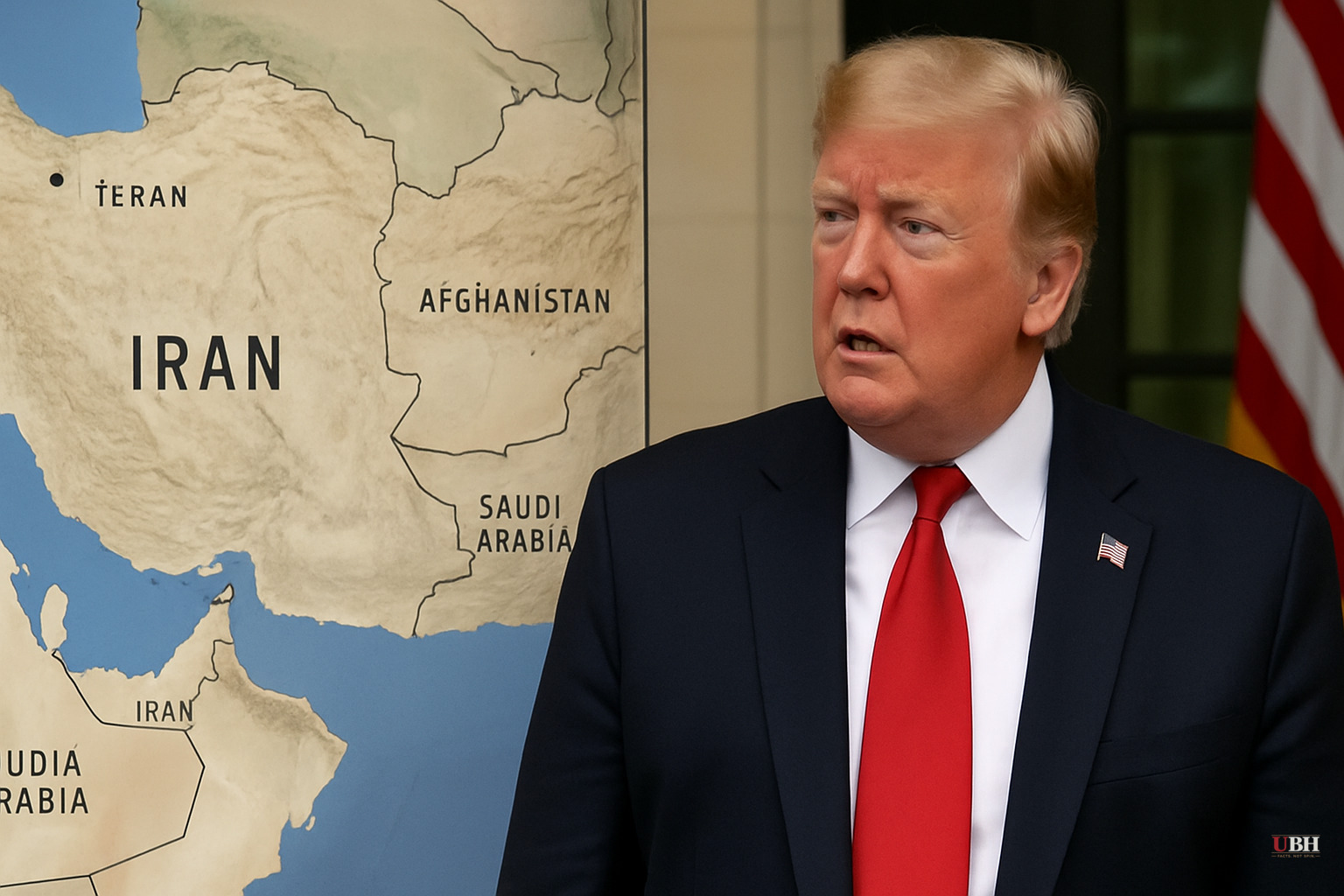
Since the Iran conflict escalated and U.S. strikes began, Thursday marked the clearest public split yet between what Washington is claiming and what Tehran is confirming.
President Trump posted on Truth Social that he had canceled "scheduled strikes and bombings against Iran" after saying earlier in the day that the U.S. would launch "very hard" new strikes and seize key Iranian oil infrastructure. The reversal came within hours. According to NPR, a phone call between Trump and Qatar's emir, in which messages from Iran were relayed, appears to have been the pivot point.
Trump told White House reporters that an agreement had been reached, that the Strait of Hormuz would open "as soon as we sign," and that a signing ceremony could happen "maybe over the weekend in Europe," according to The Guardian.
Iran's foreign ministry told a different story.
Spokesperson Esmaeil Baqaei said Tehran "had not reached a final conclusion on the agreement" and accused the U.S. of introducing new demands, according to CBS News. The Guardian also cited the semi-official Iranian news agency Tasnim, which told its readers that any Trump claims about a deal should be "dismissed" until Iran itself announces one.
Framework Details
A diplomat briefed on the negotiations told The Guardian that a broad framework had largely been agreed weeks ago, but that the risk of collapse remains real. The diplomat put it at "a 50% chance."
The framework as described includes a timeline for demining the Strait of Hormuz, with the U.S. naval blockade staying in place during that period. It references mechanisms for further nuclear talks and the release of frozen Iranian assets. But, per The Guardian, it contains no concrete agreements on how those latter two items will actually be carried out. The hard parts are still unresolved.
Regional Alignment and Outliers
NPR's Aya Batrawy noted that Arab Gulf states, including the UAE and Saudi Arabia, as well as regional states Turkey and Egypt, have aligned around ending the war, driven in part by the economic damage of a prolonged conflict. The UAE notably shifted away from a hawkish posture. Qatar is playing active mediator.
Israel is the outlier. Israeli Prime Minister Benjamin Netanyahu said Friday that he and Trump are in "complete agreement" that Iran will not have nuclear weapons, according to CBS News. But Netanyahu's posture remains the hardest line in the region, and Israel has continued issuing daily evacuation orders in southern Lebanon as fighting with Hezbollah persists. Lebanese authorities, per CBS News, say that conflict has killed at least 3,711 people. Iran has said any deal with the U.S. must include an end to fighting in Lebanon. Israel has shown no sign of accepting that condition.
The Case for Optimism
Diplomatic language routinely diverges between parties for domestic consumption. Iran's public denial may reflect as much about managing hardliners at home as the actual state of negotiations. Trump's cancellation of the strike order is a concrete, verifiable action, not just a tweet. Qatar's mediation role has been substantive and ongoing. The economic pressure on Iran from the U.S. naval blockade is real. Both sides have strong incentives to close a deal.
But this must be weighed against Trump's track record. The Guardian noted that Trump "has claimed dozens of times to be close to a deal without any agreement eventuating."
The Economic Pressure
NPR reported that the Iran war is unpopular domestically in part because inflation surged to its highest level in several years during the conflict. The economic cost of a prolonged Strait of Hormuz disruption flows directly into American energy prices and consumer goods. That is domestic political pressure on Trump to close something, but it cuts both ways. It's a reason to deal, but also a reason to oversell a deal that isn't finished.
Current Status
As of June 12, 2026, no agreement has been signed. No location, date, or parties to a signing ceremony have been confirmed by both sides. The Strait of Hormuz remains under U.S. naval blockade. Fighting in Lebanon is continuing. Hezbollah reported a rocket and artillery strike on Israeli forces in Shamaa on Friday, per CBS News.
The open question with real consequences: whether Iran's public denial is negotiating posture or a genuine signal that Trump's timeline is fiction. The diplomat's 50% collapse estimate suggests people closest to the talks don't know either.
Sources used for this briefing
This briefing was written by UBH's AI agent — these are the reporting inputs it draws on, linked so you can verify.


