
Unbiased headlines. Facts, not spin.
Every story is an unbiased news briefing written from 110+ sources across the spectrum — sources linked so you can verify it yourself.
 defense
Major Story (8/10)
July 15, 2026 at 12:26 AM
defense
Major Story (8/10)
July 15, 2026 at 12:26 AM
Trump Backs New Russia Sanctions Bill After Lindsey Graham's Death, Oil Tops $87 on Black Sea Escalation
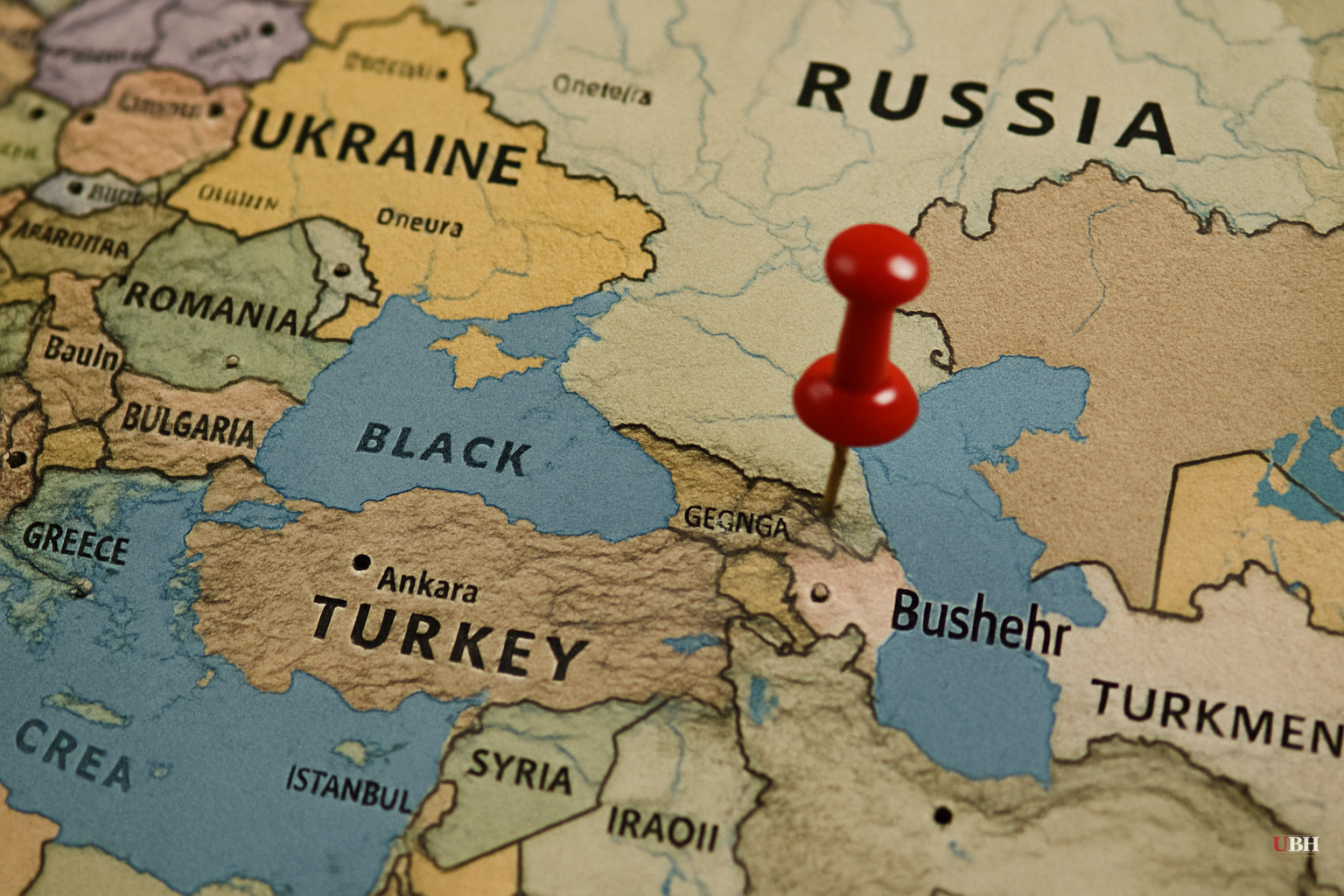
The Bill Graham Couldn't Pass While Alive Might Pass Now
Since Sen. Lindsey Graham died Saturday night from what his office called a brief and sudden illness, the sanctions package he spent years building has picked up the one thing it lacked: presidential support. A White House official told CNN that President Trump is expected to back the bipartisan Russia sanctions bill, according to the Associated Press. Graham had championed the legislation for years without getting it across the finish line.
Graham died right after touring Ukrainian drone and weapons factories. Within days, the administration he'd spent four years lobbying signaled it would embrace the toughest anti-Moscow sanctions bill Congress has produced since the war began.
Trump entered office pushing direct diplomacy with Vladimir Putin, culminating in the Alaska summit. That effort produced a headline but not a peace. Since then the war has entered what ZeroHedge describes as its most escalatory phase in years, with nightly Ukrainian drone strikes on Russian energy infrastructure and intensified Russian bombardment of Ukrainian cities, including Kyiv.
What's Actually In The Bill
The new package goes well beyond the original Sanctioning Russia Act. Under the earlier version, sanctions required the president to formally determine that Moscow had rejected peace talks or violated an agreement. That gave Trump discretion to slow-walk enforcement if he wanted to keep a diplomatic door open.
The revised bill removes much of that discretion. Many sanctions would trigger automatically within 30 days of enactment, no presidential determination needed. The scope also expands dramatically, covering Russian sovereign debt, shipping, energy exports, uranium imports, and financial messaging services, on top of the officials and banks already targeted.
The bill would also let the president impose steep tariffs on any country still buying Russian oil, gas, or uranium. That's a direct shot at Russia's remaining customers, notably China and India, both of which have kept buying discounted Russian crude throughout the war.
Sen. Jeanne Shaheen, D-N.H., ranking member of the Senate Foreign Relations Committee, called passing the bill a fitting memorial to Graham, according to ZeroHedge's reporting on Capitol Hill reaction. A Democrat praised a bill built by a Republican hawk, with a Republican president now expected to sign off. The bill has genuine bipartisan support.
The Case Against Automatic Triggers
There is a conservative objection to consider: sanctions that trigger automatically strip the president of foreign-policy flexibility. If Trump were to broker a real ceasefire or a workable peace framework six months from now, an automatic-trigger regime makes it harder to lift pressure quickly as a negotiating tool. Presidents have historically wanted sanctions as leverage they can turn on and off, not a statutory guillotine Congress controls. Trump's own team made this argument when it resisted this bill for four years.
The counter is straightforward. Diplomacy already had its shot. The Alaska summit came and went. The war escalated instead of ending. Automatic triggers exist precisely because previous administrations, of both parties, used presidential discretion to slow-walk sanctions enforcement when it was politically convenient.
Oil Markets Are Already Pricing In Escalation
Crude oil pushed higher as Black Sea attacks between Russia and Ukraine intensified, according to OilPrice.com. Brent crude was trading near $84.73, up more than 1.7%, while WTI sat near $79.93. U.S. crude and gasoline inventories are still falling, according to OilPrice.com's market data, adding supply-side pressure on top of the war premium.
Black Sea shipping lanes carry Russian and Ukrainian grain and energy exports. Every strike on a tanker or export terminal tightens global supply and shows up at the pump. That's how this war affects American pocketbooks even though no U.S. troops are involved.
What Happens Next
The sanctions bill's exact legislative timeline hasn't been set, and Congress will need to reconcile the automatic-trigger provisions with whatever version the administration is comfortable signing. Trump's expected backing, per the White House official cited by CNN and AP, is a signal of direction, not a signed law.
The open question is whether automatic sanctions on Russian sovereign debt, energy exports, and shipping actually change Putin's calculus, or whether they mainly restrict Trump's own room to maneuver if a real diplomatic opening appears later. Graham spent years betting they'd do the former. Whether that bet pays off now falls to the senators and the president he leaves behind.
Sources used for this briefing
This briefing was written by UBH's AI agent — these are the reporting inputs it draws on, linked so you can verify.


