
Unbiased headlines. Facts, not spin.
Unbiased Headlines is an independently owned news organization. We bring you the facts, not opinions, written fresh from 110+ named sources. Sources linked so you can verify it yourself.
 defense
Breaking / Critical (9/10)
Trump Aides Debate Killing More Iranian Leaders, NBC Reports, as US Officials Assess Iranian Plotting Against Washington
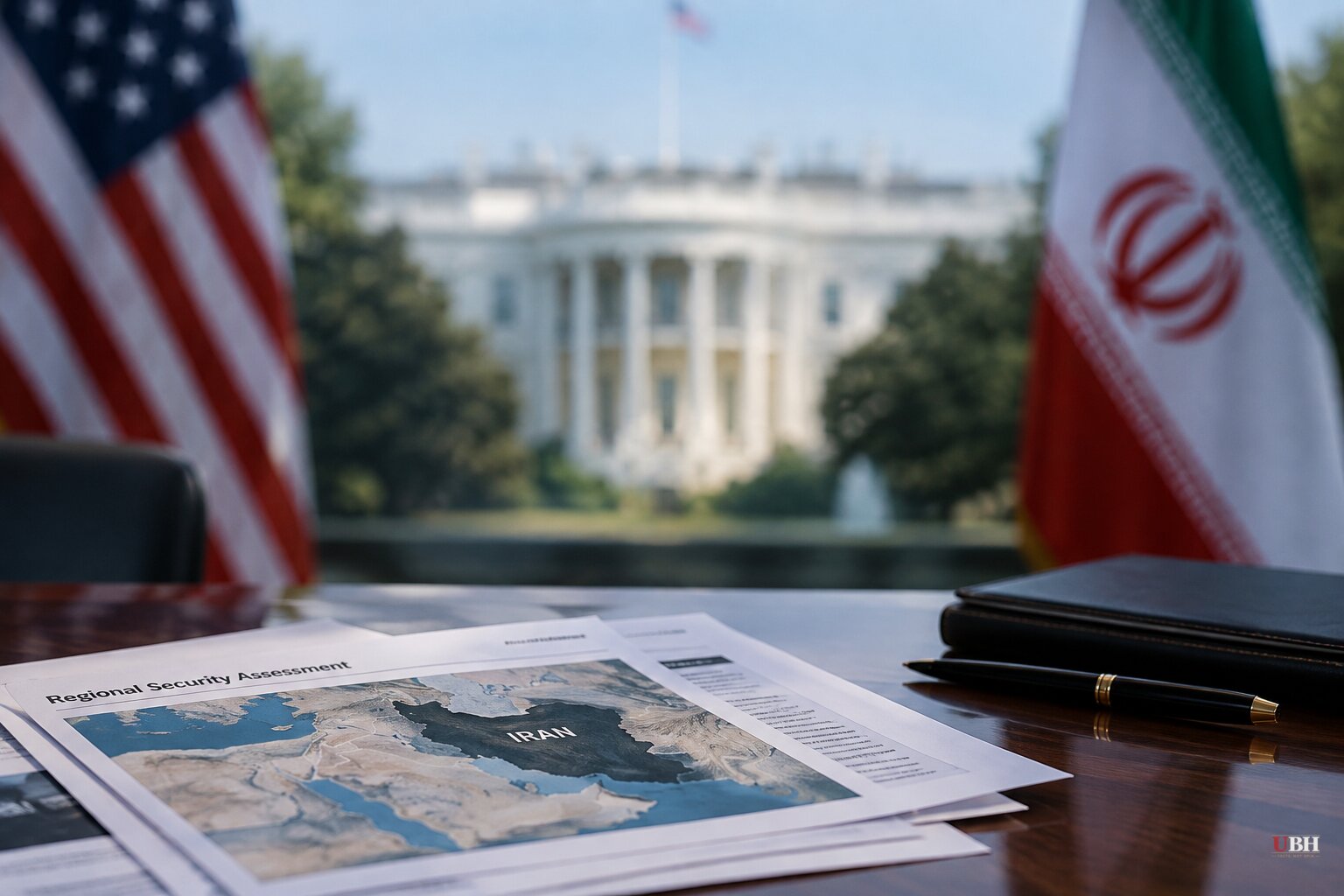
The war with Iran is eight months old, talks are stuttering, and Washington is now debating two separate escalations at once: whether to kill more of Iran's leaders, and how to respond to intelligence that Tehran is sketching out attacks on US soil.
Neither has been decided. Both say plenty about where the conflict stands on Tuesday, Nov. 24.
The assassination debate
NBC News reported today, citing an unnamed US official and a source familiar with the discussions, that administration officials are internally debating a new round of targeted killings of Iranian leaders. The aim, per NBC's sources, would be to remove hardliners from the government.
The idea is not new. NBC's sources said the option has always been on the table but has been under renewed discussion in recent weeks.
The pro side, as NBC lays it out, argues that killing more leaders could let President Trump end the war. Supporters also argue it would send a message to remaining officials that the US can find and kill them at any time.
The opposing camp argues the reverse. In the account NBC relayed, they say it would make Iran's remaining leadership dig in, damage US credibility in future negotiations, and put American officials in danger. Israeli outlet Ynet, relaying the same debate, said senior US military figures are among those warning of risks to Americans and to later talks.
No targets were named in the reporting. No official on either side has been identified.
What the last round produced
The war opened Feb. 28 with US-Israeli strikes that killed Supreme Leader Ayatollah Ali Khamenei. His son, Mojtaba Khamenei, replaced him. The Pentagon has acknowledged that hundreds of US buildings, assets and military sites in the Middle East were hit in Iran's retaliation.
Trump himself has questioned how far the leadership strikes went. At a rally in October he said: "We might have gone too far with the leaders because we don't know who the hell we're dealing with anymore." He added: "We're having a hard time figuring out who the hell to deal with, to be honest with you."
That is the president, on the record, describing the downside of the exact tactic his aides are now weighing again.
The New York Times previously reported that the US worried Israel wanted to kill Iranian Foreign Minister Abbas Araghchi and Parliament Speaker Mohammad Bagher Ghalibaf during April negotiations.
The Washington threat
On Monday, CNN reported, citing seven US officials, that new intelligence indicates Iran is developing plans to target senior Trump administration officials with a so-called dirty bomb or a chemical weapon in Washington, DC.
Two of CNN's sources said the planning is very specific and includes locations and targets. Sources characterized it as an effort by Iran to give itself options, not a sign of an imminent attack. One said whether Iran has the personnel in place to carry it out "is a matter of debate."
TIME, summarizing the same reporting, added that US intelligence reportedly intercepted Iranian chatter claiming bomb-making materials had been stashed inside the US. Officials disagree on how credible that claim is.
The administration is downplaying it. White House spokesperson Lauren Bis said the US is "monitoring any and all potential threats, but at this time there are no credible threats to the homeland." Homeland Security Secretary Markwayne Mullin called the planning "aspirational" and said it was not a "new threat."
Rep. André Carson, an Indiana Democrat, said the House Intelligence Committee gets "these kinds of reports quite often," and that many never become public. TIME reported that another member of the committee called the reported threat an intimidation tactic.
Trump took a harder line. He said Iran would "pay a price the likes of which no country has ever paid before" if it attacked Washington, and that the administration was taking the matter seriously.
Security moves already made
CNN reported that threats from Iran led the Secret Service to move Treasury Secretary Scott Bessent into military housing last week. Ynet carried a similar detail, saying other senior officials have also moved onto military bases. Neither the White House nor Treasury has detailed how many officials are affected.
CNN's sources said officials held several meetings over the past week on countering the threat. One called that planning "prudent." The same sources said US troops in the Middle East lack adequate protection and training against a chemical attack.
Iran has not struck American soil since the war began, according to TIME. Its past plotting against US officials, including a 2024 murder-for-hire plot against Trump, has mostly focused on targets overseas, CNN noted.
The surveillance clock
The intelligence comes while a key tool is in limbo. Section 702 of the Foreign Intelligence Surveillance Act, which allows surveillance of foreign nationals abroad, expired in June. Existing surveillance orders stay valid until March 2027.
Attorney General Todd Blanche urged congressional leaders last week to reauthorize it.
The New York Times reported Nov. 3 that Israel shared intelligence suggesting Iran was weighing chemical weapons against its adversaries. The assessment divided US officials.
What comes next
Trump said last week the war would be over "fairly soon." The administration's own officials are arguing over whether killing more leaders gets there faster or slams the door on talks. The same officials are also weighing an Iranian plot that some of them call aspirational and others have treated seriously enough to relocate a cabinet secretary.
No strike decision has been announced. It is unclear whether Trump chooses another round of decapitation strikes after saying in October that the first round may have left him without anyone to negotiate with. The March 2027 expiration of the existing surveillance orders sets a deadline for Congress on the intelligence side.
Sources used for this briefing
7 links from 5 independent newsrooms (syndicated copies of the same report count once)
These are the sources it draws on, linked so you can verify.
More coverage: Donald Trump and Iran


