
Unbiased headlines. Facts, not spin.
Unbiased Headlines is an independently owned news organization. We bring you the facts, not opinions, written fresh from 110+ named sources. Sources linked so you can verify it yourself.
 defense
Major Story (8/10)
Israeli Defense Minister Katz Says Iran Is Developing Chemical Weapons, Floats Striking First
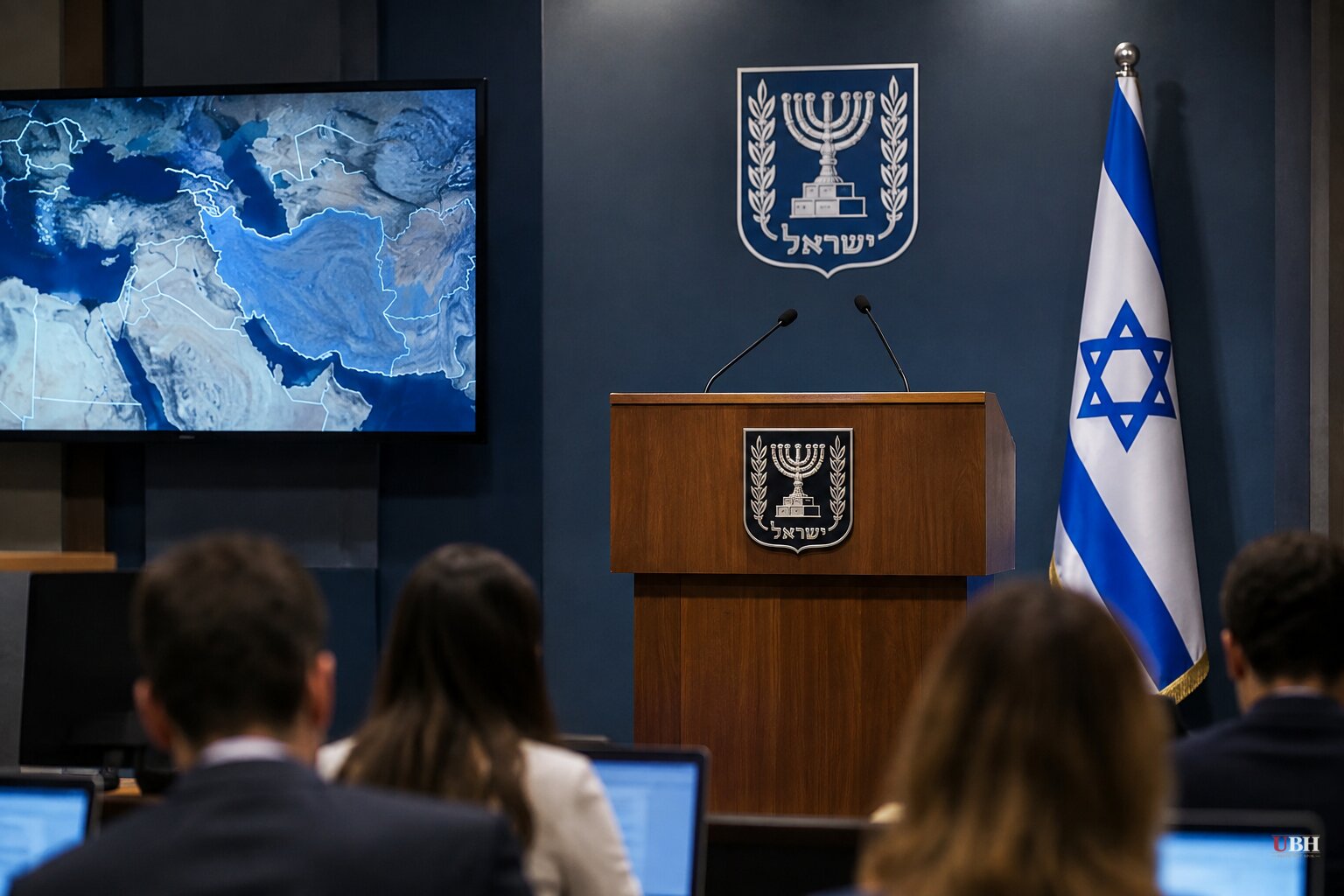
Since the Feb. 28 joint U.S.-Israeli military operation and the April 7 ceasefire, Israel has treated Iran's rebuilding as the central security question. On Tuesday, Nov. 24, Defense Minister Israel Katz added a new item to that list: chemical weapons.
"Iran is in the process of developing chemical weapons," Katz told Israeli reporters at his office in Tel Aviv. "The state of Israel will not allow them to reach that capability."
What Katz said
Katz said the Iranians "emerged from the tunnels" after the operation, saw the damage they had suffered and concluded they needed a "balancing" weapon. He said Israel's defense establishment and the military agree that Iran must not be allowed to advance the program.
He also indicated that Tehran cannot yet attack Israel with such weapons. He would not say what stage the work has reached, what agent is involved or how it would be delivered.
On a possible strike, Katz asked, according to a Channel 12 transcript: "If we recognize that the Iranians intend to attack Israel, can't we tell the army to attack earlier and thwart the threat?" He added: "If the Iranians attack us first, it will be a failure."
The Jerusalem Post reported that Katz wants the IDF to block Iran, preferably with U.S. participation, and that he tied the timing to when the Trump administration is ready to join. Channel 12's Yaron Avraham reported Katz as saying the decision rests with President Donald Trump.
The U.S. intelligence picture
The New York Times reported Tuesday that Israel has passed U.S. officials intelligence over the past two weeks suggesting Iran may be preparing to use chemical weapons, possibly on ballistic missile warheads, by smuggling them into Israel or other countries, or by drone. According to the Times, American officials broadly agree Iran is developing chemical capabilities. They are divided over whether Tehran would use them, particularly without further U.S. or Israeli strikes.
The Times also reported that some U.S. officials take the warnings seriously, citing recent intelligence on Iranian threats to American interests. Others question whether Prime Minister Benjamin Netanyahu's government wants to push Washington back into large-scale operations against Iran.
A regional official told the Times that Israeli representatives gave Gulf governments no supporting evidence when briefing them, and that several officials in the region doubted the claims. Netanyahu's office said Israel "closely tracks every threat posed by the Iranian terror regime and is prepared to deal with it."
The suspicion of Iranian chemical work is not new. A 2024 assessment from the Office of the Director of National Intelligence said Iran "probably aims to continue research and development of chemical and biological agents for offensive purposes."
On Nov. 18, Trump said there is "indication that Iran is looking at gases, looking at bio because we've shut them out with the nuclear." He did not confirm a specific threat to Washington. White House spokesperson Lauren Bis said at the time there are "no credible threats to the homeland."
Iranian Foreign Minister Abbas Araghchi has rejected the claims. Of the reports of an Iranian plot, he wrote on X that they were "Iraq War-style propaganda" with "Israeli fingerprints all over it." "Nobody is buying it," he wrote.
Israeli politics
The warning lands in the middle of a government-formation fight. Israel's election last month gave neither caretaker Prime Minister Netanyahu nor opposition leader Gadi Eisenkot a clear majority. President Isaac Herzog has tasked Eisenkot with trying to form a government.
Knesset Foreign Affairs and Defense Committee Chairman Avigdor Liberman, after a briefing with IDF Chief of Staff Lt. Gen. Eyal Zamir, said there is no basis to attack Iran before a new government is formed. Liberman and Eisenkot have both accused Netanyahu of trying to rush an attack to shape who controls the next government. Eisenkot said Monday that Iran is the most serious threat to Israel but that he sees no "direct and immediate threat" requiring action before a government is formed.
Katz bristled at Liberman's statement. The Jerusalem Post reported that Katz appeared to be offering the chemical program as a reason to act even if Iran's nuclear program is frozen or far from a weapon. The IDF has offered no public comment backing Katz's claim that the chemical threat is more immediate.
Gulf front
The Iran question runs alongside an unsettled Gulf. Secretary of State Marco Rubio spoke Tuesday with Saudi Foreign Minister Prince Faisal bin Farhan, and the State Department said both stressed freedom of navigation in the Strait of Hormuz and the Bab al-Mandeb. A Houthi attack on a building in Riyadh's Financial District injured 11 people Tuesday.
U.S. Central Command spokesman Tim Hawkins said more than 108 million barrels of crude moved through the strait last week under U.S. protection, the largest weekly volume since the conflict began. Brent crude is hovering around $90, its lowest level since late August, even as attacks on tankers reached their highest monthly level in October.
What comes next
The open questions are specific. Katz has said Iran cannot yet use chemical weapons against Israel, yet he has framed action as a matter of when Washington is ready. Trump has said he wants to "finish it off" with Iran "one way or the other," without a date. And Eisenkot, who says no immediate threat justifies a strike, is the one tasked with forming the next Israeli government.
Sources used for this briefing
7 links from 7 independent newsrooms (syndicated copies of the same report count once)
These are the sources it draws on, linked so you can verify.


