
Unbiased headlines. Facts, not spin.
Unbiased Headlines is an independently owned news organization. We bring you the facts, not opinions, written fresh from 110+ named sources. Sources linked so you can verify it yourself.
 defense
Major Story (7/10)
Army Set to Detonate Nearly 5 Tons of Lead Azide in Iowa on Wednesday After Appeals Court Declines to Halt It
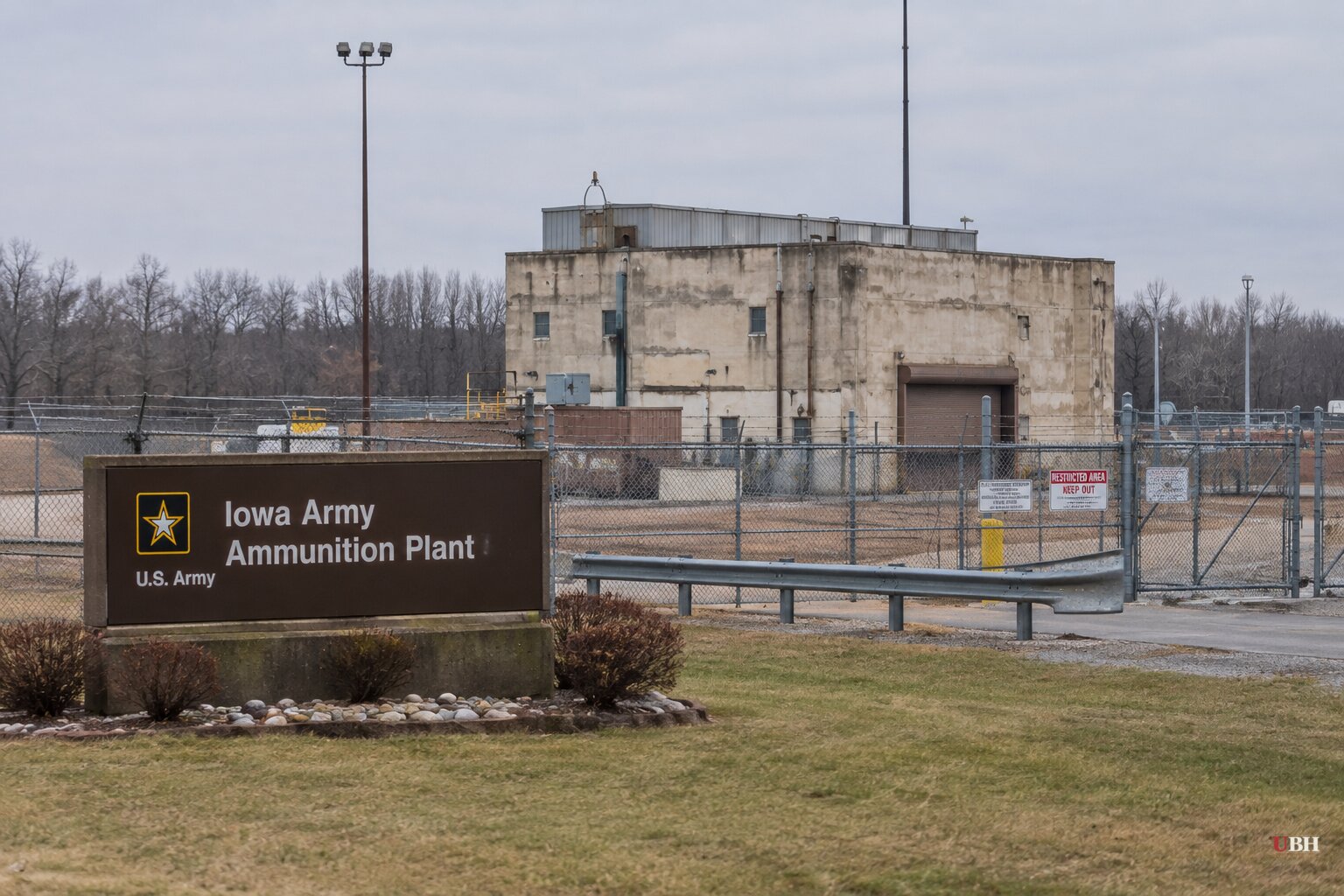
Since the Army's Nov. 15 public advisory announced the plan with five days' notice, the date has slipped from Friday, Nov. 20, to Monday, and then to Wednesday, Nov. 25. The detonation is now set for about 9 a.m. Central Time at the plant in Middletown. A more precise time will depend on the weather, the Army said Tuesday.
The material is roughly 10,000 pounds of degraded lead azide, a compound used to detonate munitions, stored in more than 60 barrels. The Army says it is too unstable to move and is at risk of detonating on its own as temperatures drop.
How the detonation cleared its last hurdles
On Monday, a federal appeals court declined to halt the operation and reinstated the EPA's emergency permit. Environmental groups had sued, arguing the government gave the public too little notice.
President Trump also weighed in Monday. He said the decision rested with the courts and with Democratic Gov.-elect Rob Sand, who takes office in January. Sand said the federal government should make the call.
Outgoing Republican Gov. Kim Reynolds said Tuesday she backs the plan. "I believe, based on the information I've been given, that the danger is immediate, and I trust the Army will do everything in its power to protect the people who could be affected," she said on X. She said she spoke with Defense Secretary Pete Hegseth and acting Army Secretary Adam Telle, and has asked for more information to prepare the state. She said she has been assured it will be provided.
Iowa opened its State Emergency Operations Center last week to coordinate with federal officials.
What the Army says about the risk
Telle spoke at a Tuesday news conference in Middletown. "A controlled mitigated detonation is far preferable for public health and safety than an uncontrolled detonation, which is a worst-case scenario," he said.
He also declined to promise zero risk. "We don't want to give the public the feeling that there's absolutely no risk," Telle said.
The Army says the concrete storage structures are already covered in dirt. Crews have added sand barriers around the site, plus water and gel blocks to hold down the amount of lead that reaches the air. Col. Aaron Teller said the last lead azide detonation of this scale by the Army was in 1977.
More than 100 government officials are collecting air and soil samples ahead of the blast and plan to sample again afterward.
Where the plume may go
An early map, drawn when the blast was set for Nov. 20, showed particles drifting northeast across the Mississippi into Illinois. The latest forecast has changed that picture.
AccuWeather meteorologist Alyssa Glenny said the plume would most likely drift southwest of the plant, across parts of southeastern Iowa and northern Missouri. She said winds up to about 3,000 feet matter as much as surface winds, and that the exact reach depends on conditions at the moment of detonation.
The Army published updated maps Tuesday morning. It has said it will update them 48 hours out, six hours out, hourly until the blast, and again afterward with a final estimated impact area.
A FEMA alert sent to phones in the area says some residents within 5 miles southwest of the site may be evacuated. It tells people 5 to 20 miles out to stay indoors with windows closed.
Sean Kaufman, a principal deputy assistant secretary at HHS, went further for vulnerable groups. "If they are women that are pregnant, children under the age of 6, or children in general, and individuals who may have chronic disease, you definitely want to be out of that area," he said. "I would evacuate that area."
USDA Undersecretary Richard Fordyce said about 350 farms in the area could be affected.
Health officials say there is no known safe level of lead exposure. Tom Croci, an associate administrator at the EPA, said much of what is known about exposure comes from longer periods. "This is a short-duration event, so we should take that into account as far as public risk and health," he said.
The objections
The environmental groups that sued over the EPA permit say the blast will expose thousands of families, livestock and crops in surrounding communities to elevated levels of toxic dust. Their legal argument is that the government did not give the public enough notice.
The notice problem is documented. The Army's five-day window was the first many local and state leaders heard of the plume. The Hill reported that the Army had known about the degraded material since at least March and canceled a contract to have it chemically disposed of. The Army has not been quoted in these accounts explaining that decision.
What comes next
The detonation is scheduled for about 9 a.m. Central on Wednesday, Nov. 25, with the exact time dependent on wind and mixing conditions. Residents inside the modeled zone will get hourly map updates until the blast. Post-detonation soil and air sampling will determine what the Army publishes as the final impact area. Reynolds is still waiting on the additional pre- and post-blast information she requested.
Sources used for this briefing
8 links from 8 independent newsrooms (syndicated copies of the same report count once)
These are the sources it draws on, linked so you can verify.


