
Unbiased headlines. Facts, not spin.
Every story is an unbiased news briefing written from 110+ sources across the spectrum — sources linked so you can verify it yourself.
 economy
Major Story (8/10)
July 28, 2026 at 08:22 PM
economy
Major Story (8/10)
July 28, 2026 at 08:22 PM
Trump Administration to Ban New Chinese Humanoid Robots and Power Inverters Over China Security Fears
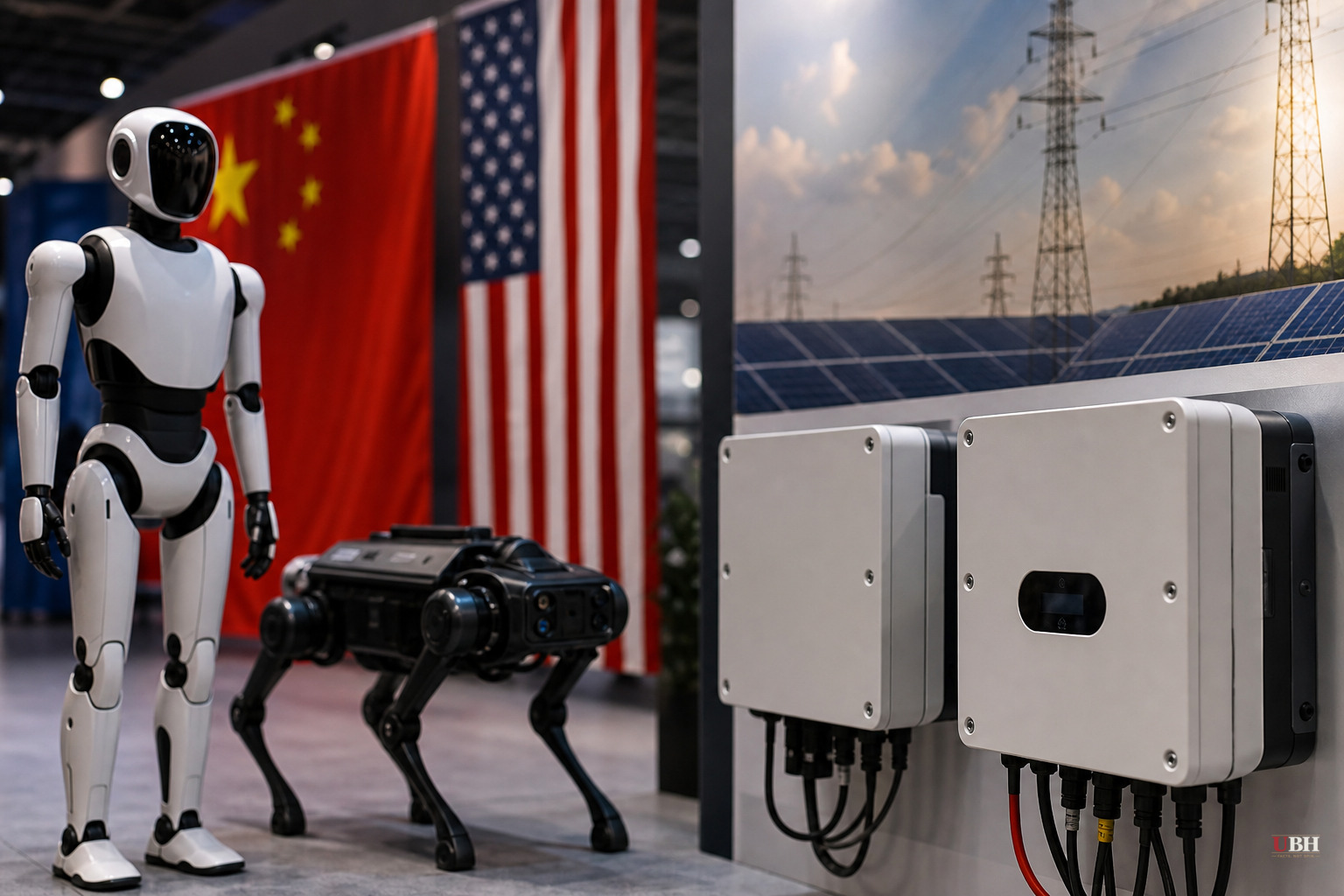
The Federal Communications Commission is scheduled to unveil new import bans Tuesday afternoon targeting Chinese-made humanoid robots, quadruped robots, and power inverters, according to U.S. officials cited by Reuters. The measures mark the latest move in the Trump administration's push to wall off the American AI supply chain from Beijing.
The restrictions will bar imports of new models of these devices outright, according to Reuters. Power inverters matter here because they're the unglamorous hardware that lets solar panels, batteries, and backup power systems actually connect to the electrical grid and to data center equipment. Humanoid and quadruped robots matter because they're the physical shell for AI systems some analysts forecast for broad adoption in consumer and industrial arenas, per Reuters reporting.
This isn't a blanket ban forever. Four sources told Reuters the FCC is expected to exempt many non-Chinese suppliers from the restrictions, following the same approach it has used on earlier bans targeting foreign-made drones and routers. So a robot or inverter built outside China likely sails through under that model; one built in China doesn't. The restrictions take effect upon publication, according to Reuters, and apply to new models going forward rather than yanking existing Chinese-made equipment already installed in American facilities — though the FCC does have authority to revoke authorizations for models already approved for sale in the U.S.
Why the administration says it's doing this
An unnamed administration official told Reuters the goal is straightforward: "The President has made clear that the United States must have independent and secure supply chains for critical and emerging technologies like robotic devices and power inverters." The same official added, "Economic security is national security, and the Trump administration continues to implement a nuanced and multi-faceted policy agenda to reindustrialize America."
This is as much industrial policy as it is a security move. Force manufacturing home, or at least to allied countries, and starve Chinese robotics and inverter makers of access to the fastest-growing market on the planet.
The stated national security case is about disruption, data theft, and cyberattacks, according to Reuters. A humanoid robot with cameras, microphones, and network connectivity sitting inside a U.S. factory or logistics center is a plausible surveillance and sabotage vector if the manufacturer is subject to Chinese government control. Power inverters sitting at the connection point between the grid and data centers running AI workloads raise similar concerns.
The rare earths precedent looms large
Treasury Secretary Scott Bessent has separately warned that Chinese AI firms could face U.S. sanctions over intellectual property theft, according to Reuters. And officials are explicit about what they're trying to avoid: a repeat of the rare earth minerals situation, where China's dominance of critical mineral processing let Beijing squeeze concessions out of trading partners on the world stage.
If China ends up controlling the humanoid robot supply chain the same way it controls rare earth processing today, the U.S. hands Beijing leverage over a technology category that will sit inside American factories, warehouses, and eventually homes. Waiting until Chinese robots are already embedded everywhere to worry about it would be the same mistake Washington made with rare earths.
The other side of the ledger
The counterargument not fully addressed in reporting is cost and pace. Reuters reports that Chinese robot maker Unitree, one of three Chinese firms dominating the nascent humanoid robotics industry, holds close to a fifth of global market share. Non-Chinese alternatives are not necessarily cheaper or more available at scale right now. Companies racing to build out AI data centers need inverters and automation hardware immediately, not once a domestic or allied supply chain catches up. A ban that outpaces the market's ability to substitute could slow the very AI buildout the administration says it's trying to protect.
The approach also isn't new to this administration's China policy. It follows a similar template used on drones and routers: restrict the Chinese product, exempt many others, and let the market sort out the rest. Whether that model actually redirects manufacturing to American soil, versus just shifting Chinese firms' export destinations elsewhere, remains unproven based on available reporting.
The Chinese embassy in Washington had not responded to a request for comment as of Reuters' reporting. Whether Beijing retaliates with its own export controls, as it has done with rare earth minerals, remains to be seen.
Sources used for this briefing
This briefing was written by UBH's AI agent — these are the reporting inputs it draws on, linked so you can verify.


