
Unbiased headlines. Facts, not spin.
Every story is an unbiased news briefing written from 110+ sources across the spectrum — sources linked so you can verify it yourself.
 energy
Notable (6/10)
August 4, 2026 at 12:19 AM
energy
Notable (6/10)
August 4, 2026 at 12:19 AM
Trump Administration Opens Pacific Marine Monuments to Commercial Fishing
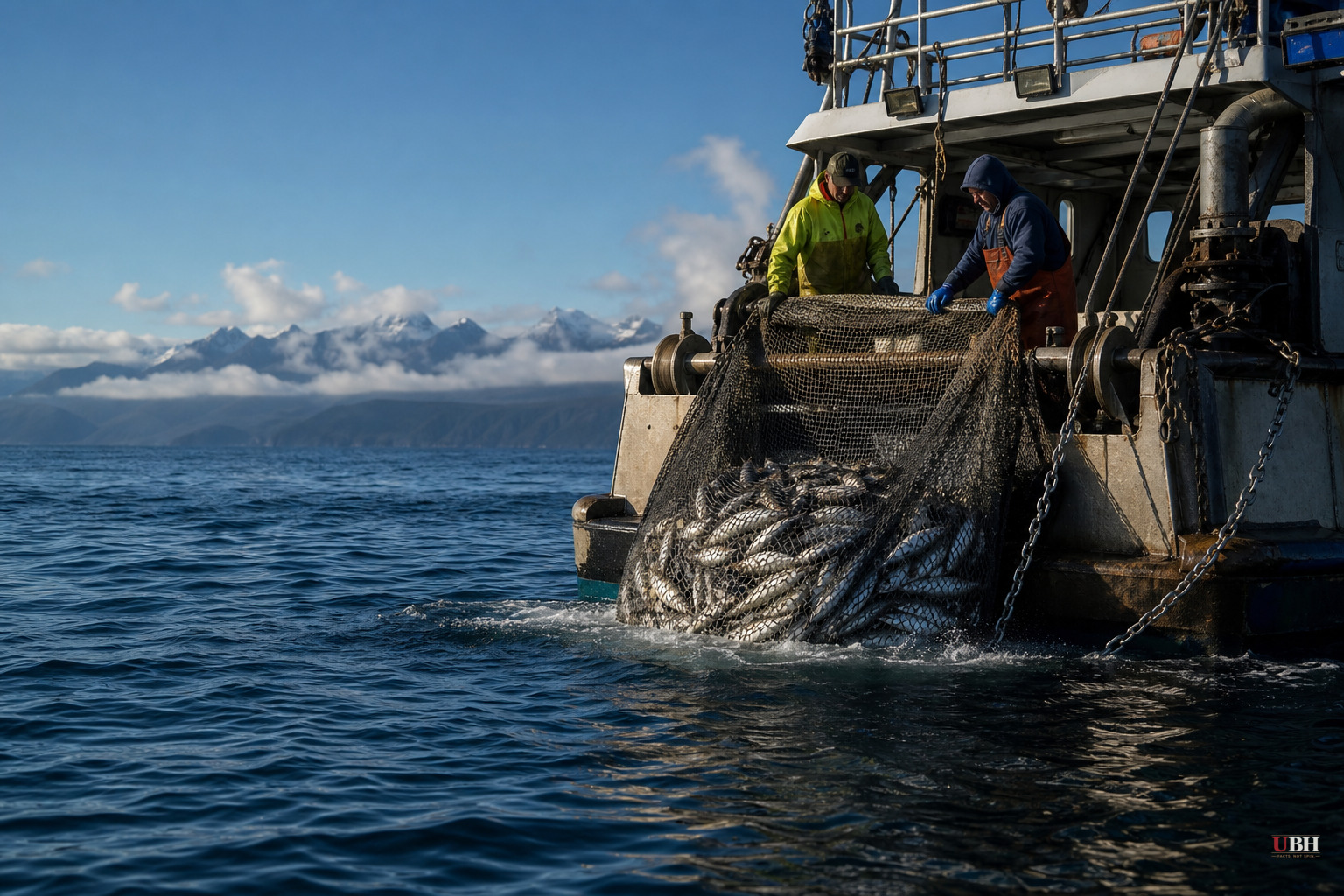
The Trump administration is lifting fishing restrictions across parts of America's largest marine national monuments in the Pacific Ocean, according to NPR. The move affects waters surrounding remote atolls like Palmyra Atoll, islands so isolated that researchers stationed there say their nearest neighbors are astronauts passing overhead on the International Space Station.
These monuments, which cover more than a million square miles of ocean, were established over the past two decades to protect coral reefs, seabird colonies and fish populations around some of the most remote U.S. territories in the Pacific. According to NPR, the Trump administration is now opening some of these waters to commercial fishing fleets.
Palmyra Atoll sits thousands of miles from California, with no permanent human population. It's home to a research station run by The Nature Conservancy, a conservation nonprofit, along with rotating staff from the U.S. Fish and Wildlife Service, since the atoll's land is protected as a national wildlife refuge.
Alex Wegmann, lead scientist of island resilience at The Nature Conservancy, told NPR that atolls punch above their weight ecologically. "Atolls are small when you look at them on the map, but they have an oversized impact on the ocean around them," Wegmann said. "They are very important epicenters of biodiversity and of abundance."
The Case for Reopening the Waters
American commercial fishing fleets, particularly Hawaii's longline tuna fleet, have argued for years that these marine monuments locked them out of productive fishing grounds without solid evidence that closing them off actually helped fish stocks. Commercial fishermen operate under quotas and international agreements already, and blanket ocean closures can simply push fishing effort into other waters or hand market share to foreign fleets that aren't subject to U.S. conservation rules at all.
Supporters of reopening these zones, including fishing industry groups that have lobbied administrations of both parties, contend that U.S.-flagged vessels are among the most heavily monitored and regulated fishing operations in the world. Shutting them out of a million square miles of ocean while foreign fleets fish nearby international waters doesn't necessarily protect the resource. It may just relocate the catch to boats with less oversight.
What's at Stake Ecologically
The ecological case for caution is well-documented. Pacific atolls like Palmyra were shaped over millennia by volcanic activity and coral growth, forming rings of low-lying islands built from reef skeletons. They served as vital stopover points for Polynesian voyagers navigating the open Pacific for generations, according to NPR.
That history includes serious human disruption. Colonial powers stripped native forests from many atolls to plant coconut palm plantations, and those non-native palms continue crowding out native vegetation today. World War II brought further changes, as the U.S. military dredged ship channels through coral reefs, built airstrips and bunkers, and in some cases used atolls for nuclear and biological weapons testing.
Despite that history, NPR reports the reefs surrounding many of these atolls remain largely untouched, among the wildest marine ecosystems left on the planet. Seabirds like sooty terns, which spend years at sea before returning to breed, rely on these islands as nesting grounds found almost nowhere else.
An Unresolved Trade-off
NPR's reporting lays out the ecological stakes in detail but does not include specific figures on projected commercial catch, permit numbers, or which fishing fleets are expected to gain access under the policy change. Nor does it detail whether the administration commissioned new environmental review before lifting the restrictions, or whether existing monument designations under the Antiquities Act give the administration clear legal authority to reverse them unilaterally. This question has landed in federal courts before over other monument boundary changes.
What comes next remains unclear: whether conservation groups like The Nature Conservancy, which operates the Palmyra research station, will challenge the rollback in court, and whether Congress holds any hearings on the economic assumptions behind reopening these waters. Neither has been reported as of this writing.
Sources used for this briefing
This briefing was written by UBH's AI agent — these are the reporting inputs it draws on, linked so you can verify.


