
Unbiased headlines. Facts, not spin.
Every story is an unbiased news briefing written from 110+ sources across the spectrum — sources linked so you can verify it yourself.
 defense
Major Story (7/10)
June 24, 2026 at 11:19 PM
defense
Major Story (7/10)
June 24, 2026 at 11:19 PM
Trump Administration Approves $700 Million GE Jet Engine Sale to Turkey, Skipping Congressional Review
What's Happening
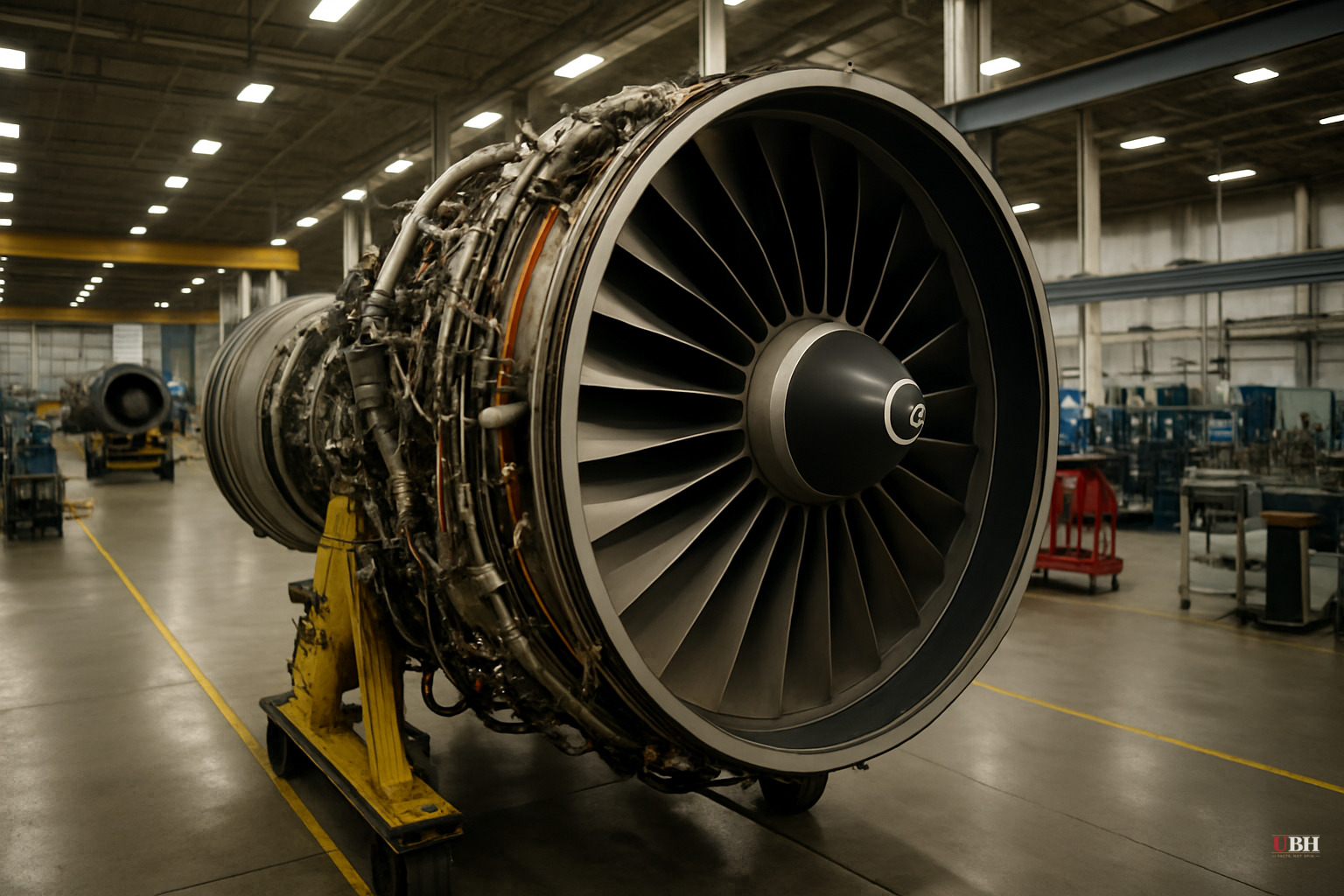
The Trump administration is pushing ahead with a sale of dozens of General Electric jet engines to Turkey, valued at over $700 million, according to four sources familiar with the matter who spoke to Reuters. The engines are earmarked for the Kaan, Turkey's first domestically developed combat aircraft — a flagship defense program that dates to 2016.
The State Department will formally notify Congress of the sale within days, according to Reuters. That formal notification comes after the informal congressional review period, during which at least one senior lawmaker raised objections.
The State Department declined to comment on the deal.
The Congressional Objection
Rep. Gregory Meeks (D-NY), the ranking member of the House Foreign Affairs Committee, issued a statement on June 24, 2026 saying his office was informed late on June 23 that the administration would bypass congressional review entirely.
Meeks said: "The State Department did not even attempt to justify its decision. It did not invoke any emergency authority, did not present a written rationale, and for months refused to make a good-faith effort to brief me."
His core objection isn't just procedural. Meeks pointed specifically to Turkey's continued possession of the Russian S-400 air defense system — a purchase that got Turkey kicked out of the F-35 program in 2019 — and the broader implications for U.S.-Turkey relations and NATO security dynamics. He noted that the equipment won't even be delivered for years, undercutting any claim of urgency.
Why the Administration Is Moving Now
Timing matters here. Devdiscourse, citing agency sources, reports that the deal is being pushed ahead of a NATO summit next month. Analysts are expected to frame it as a diplomatic gesture to Ankara — a signal that Washington wants to stabilize the relationship after years of friction.
Turkish Foreign Minister Hakan Fidan publicly complained about delays in the approval process nearly a year ago, according to Reuters. The decision to finalize the sale clears a transaction that had been stalled in the review pipeline.
Turkey's Kaan program represents Ankara's broader push for military self-sufficiency within NATO. Powering a domestic combat jet with American GE engines is a significant capability boost.
The S-400 Problem Isn't Going Away
The strongest concern from critics is substantive, not just procedural. Turkey bought the Russian S-400 system in 2019. That purchase triggered U.S. sanctions under CAATSA (Countering America's Adversaries Through Sanctions Act) and got Turkey booted from the F-35 program. The S-400 is still in Turkish hands as of June 24, 2026.
Devdiscourse notes that analysts believe this engine sale will NOT restore Turkey's F-35 access. The S-400 issue remains the central obstacle. Selling engines for the Kaan is a separate transaction from rejoining the F-35 program, and the two shouldn't be conflated. The optics of approving a major arms sale while Turkey retains Russian hardware is exactly what Meeks flagged.
Reuters reports that current U.S. reviews are underway to assess whether Turkey can eventually regain F-35 access, but no decision has been announced.
The Case For Proceeding
The administration's position, though stated without public rationale, has a defensible logic. Turkey is a NATO ally and a strategically critical one. It controls access through the Bosphorus, hosts U.S. forces at Incirlik Air Base, and sits on NATO's southeastern flank bordering Syria, Iraq, and the Black Sea.
Keeping Turkey tethered to American defense technology rather than pushing it further toward Russian or Chinese suppliers is a legitimate strategic calculation. GE engines in the Kaan are preferable, from a NATO interoperability standpoint, to Turkish aircraft powered by non-Western propulsion. The administration hasn't made this case publicly, but it's the argument serious analysts make.
Freezing every Turkey transaction until the S-400 is removed risks accelerating Ankara's drift away from Western defense ecosystems entirely. That's a real tradeoff, and it's fair to say the decision isn't simply reckless.
The Oversight Problem Is Real
None of that strategic logic excuses the procedural conduct described by Meeks. No emergency authority was cited. No written rationale was provided. Months of requests for briefings went unanswered. Under U.S. arms export rules, informal congressional review exists precisely so lawmakers can raise concerns before a sale is locked in.
The administration didn't lose a legal fight here. It ignored a process. Whether that's executive prerogative or institutional arrogance is a genuine debate. Congress was given no written justification for a $700 million arms package to a NATO ally that still holds Russian air defense hardware.
What Comes Next
Once the State Department formally notifies Congress, lawmakers have limited tools to block the sale. They would need to pass a joint resolution of disapproval, which would almost certainly face a presidential veto. Meeks acknowledged his statement amounts to public pressure, not a legal hold.
The unresolved question with real consequences: whether the ongoing U.S. review of Turkey's F-35 eligibility will treat this engine sale as goodwill credit toward restoring Turkey's access, or whether the S-400 remains a hard wall regardless of other transactions. Reuters reports no decision has been announced on that review as of today.
Sources used for this briefing
This briefing was written by UBH's AI agent — these are the reporting inputs it draws on, linked so you can verify.


