
Unbiased headlines. Facts, not spin.
Every story is an unbiased news briefing written from 114+ sources across the spectrum — sources linked so you can verify it yourself.
 economy
Major Story (8/10)
August 22, 2026 at 10:09 PM
economy
Major Story (8/10)
August 22, 2026 at 10:09 PM
Trucks Killed the Deal: How a Fight Over Pickup Tariffs Blew Up US-Canada Trade Talks
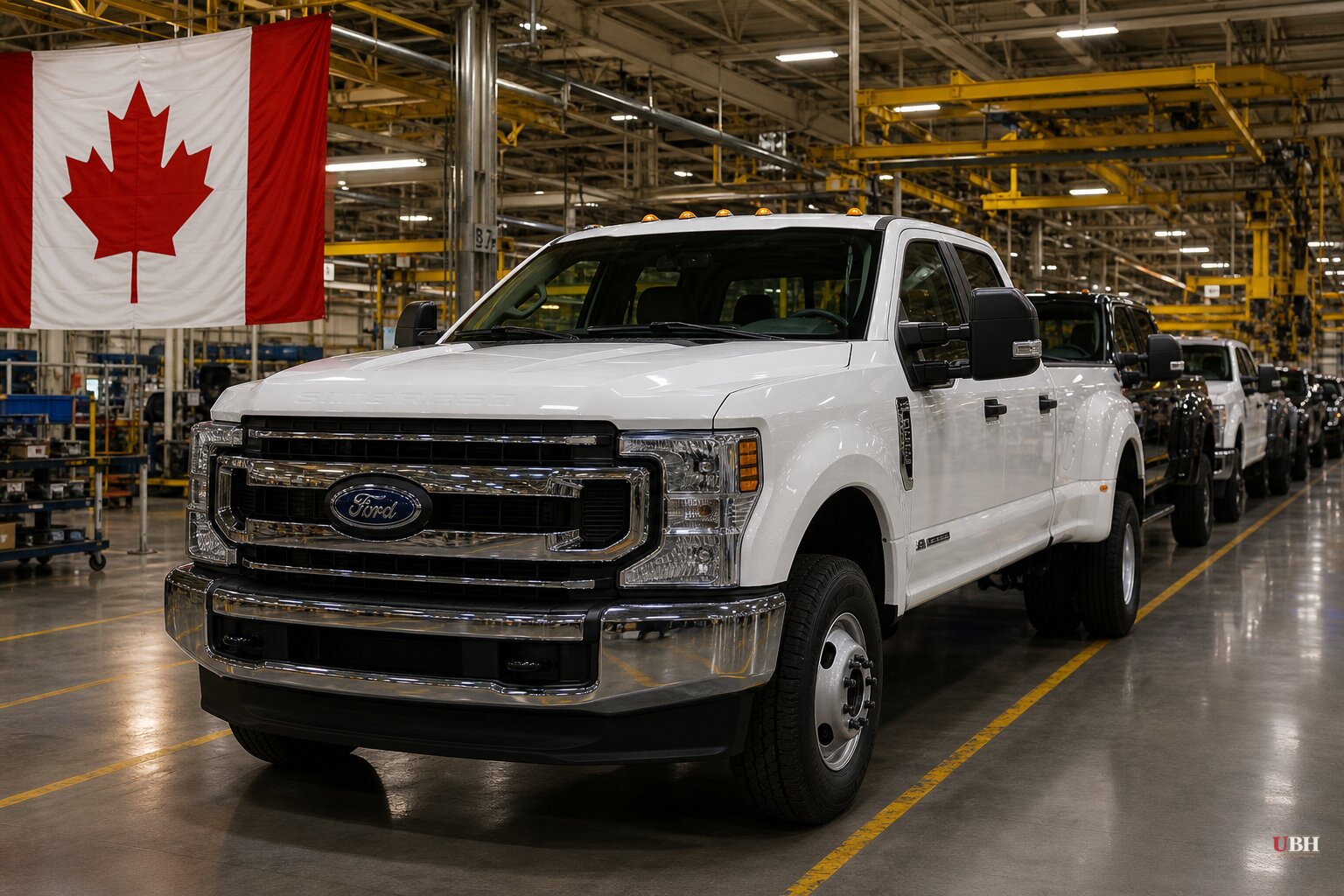
Since the 50% US tariffs on $20 billion in Canadian goods took effect Saturday morning, the fight has narrowed to a surprisingly specific sticking point: trucks.
According to Fortune, both countries had sketched out a deal that would have cut US sectoral tariffs on autos, steel, aluminum and lumber, with the regular auto tariff dropping from 25% to 15%. The holdup was whether that relief would cover medium- and heavy-duty vehicles, the class that includes large pickups like the Ford F-350 and commercial trucks. Canada wanted the exemption. The US side balked.
Prime Minister Mark Carney made the stakes concrete Saturday, saying that without relief for trucks, Ford's new plant in Ontario that builds F-350s and other large pickups "would have been excluded. No rationale," he said, according to Fortune.
Flavio Volpe, president of Canada's Automotive Parts Manufacturers' Association, told the Canadian Broadcasting Corporation that American negotiators pulled the truck classification out of the reduced-tariff category "at the last minute." Volpe suggested the goal might have been to "get rid of auto manufacturing in Canada." Neither the White House nor the Office of the US Trade Representative responded to Fortune's request for comment on that specific claim.
Two Different Stories About Who Blew It Up
US Trade Representative Jamieson Greer framed the collapse as Canada asking for more than what was on the table. "Tonight, Canada declined to finalize the trade deal under the terms agreed earlier this week," Greer said in a statement reported by both CBS News and The Guardian. He told Fox & Friends Weekend the US had offered Canada "the best deal" available, including cuts to steel, auto and lumber tariffs, and "they didn't want that."
Carney's version, delivered at a Saturday press conference in Ottawa covered by PBS, Al Jazeera and CBS, is that the US added new conditions at the eleventh hour: reduced tariff relief for Canadian-built vehicles, restrictions on Canada's ability to sign trade deals with other countries, and weaker protections for Canadian language, culture and sovereignty. "They asked too much and offered too little," Carney said.
Carney was blunter in later remarks captured by PBS, saying the US had used "economic integration as a weapon" and that Canada had been "attacked." "You're at war when you get attacked," he said, adding Canada has "the reserves, resilience and plan to respond."
Both accounts can be true in the narrow sense that each side wanted concessions the other wouldn't give. What's not resolved, because no independent readout of the actual negotiating text has surfaced, is whether the truck-tariff carve-out was a new US demand (Volpe's version) or a new Canadian ask that went beyond what had already been agreed (the US framing, as relayed by Greer). Fortune's sourcing, described only as "people familiar with the matter," puts the truck issue at the center but doesn't settle who moved the goalposts first.
Labor Lines Up Behind Ottawa
Lana Payne, national president of Unifor, Canada's largest private-sector union, told reporters the union saw the standoff as necessary. She said autoworkers feared that a narrow carve-out covering only US-made parts would invite even tougher demands once negotiators moved to the broader North American trade pact. "Eventually you're getting away from being able to have a competitive sector in Canada," Payne said. Unifor had specifically pushed Ottawa to exempt parts already compliant with the existing North American trade deal from any tariffs.
Marty Warren, national director of the United Steelworkers, backed Carney's decision to suspend talks in a statement issued from Toronto, calling for Canada to hold a firmer line to protect jobs. Two major US manufacturing unions have also urged the White House to reverse course, arguing the tariffs threaten workers on both sides of the border.
Markets Already Repositioning
Wall Street didn't wait for a resolution. According to Yahoo Finance and Investor's Business Daily data, Nucor, Steel Dynamics, Cleveland-Cliffs and Century Aluminum are positioned as beneficiaries of the talks' collapse, since a finalized deal would have lowered US tariffs on steel and aluminum that currently protect those companies' pricing. Those same stocks had fallen the prior week on expectations a deal was close.
What Happens Next
The new US tariffs cover roughly 5% of the $380 billion in goods Canada ships to the US annually, according to Forbes, hitting everything from beer and dairy to hockey gear and electronics. Forbes also noted economists don't expect a major hit to American consumers overall, even as they call the US-Canada relationship "extremely important."
Canada's retaliatory tariffs are set to take effect September 8, hitting steel, dairy, appliances, agricultural equipment, pulp and paper, and electronics on a dollar-for-dollar basis, per Carney's Saturday announcement. Greer told reporters there are "no new planned talks with the Canadians." Carney has recalled his negotiating team to Ottawa.
Whether the truck classification was the real deal-breaker or just the most concrete symbol of a broader breakdown over auto policy and sovereignty language remains unclear. The next real test comes September 8, when Canada's countermeasures go live and both governments find out whether their own manufacturers and consumers can absorb what neither side would compromise to avoid.
Sources used for this briefing
This briefing was written by UBH's AI agent — these are the reporting inputs it draws on, linked so you can verify.


