
Unbiased headlines. Facts, not spin.
Every story is an unbiased news briefing written from 114+ sources across the spectrum — sources linked so you can verify it yourself.
 economy
Major Story (8/10)
October 8, 2026 at 07:24 PM
economy
Major Story (8/10)
October 8, 2026 at 07:24 PM
St. Louis Fed's Musalem Says Rates Should Rise Within Six to Nine Months, Waller Also Backs More Hikes
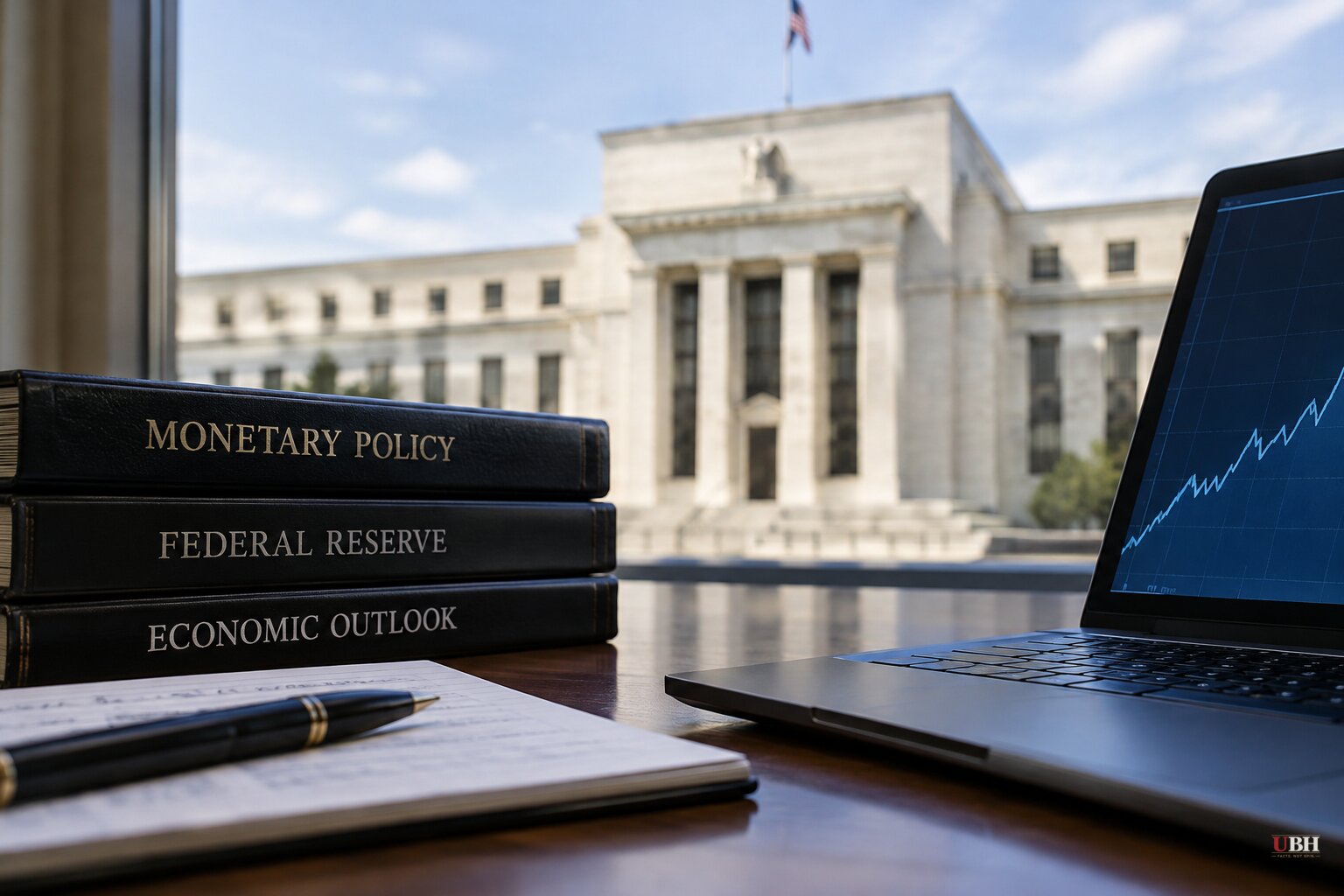
Since the Fed raised rates in September and the minutes released Wednesday showed most officials expect at least one more increase by year end, the debate has moved from whether to when. On Thursday, Oct. 8, two Fed officials gave their answers.
Musalem puts a window on it
St. Louis Fed President Alberto Musalem spoke at Bloomberg's Future of Fixed Income conference in New York. "To bring inflation back to target in a timely manner, more monetary policy firming will be required," he said.
He defined "timely" as roughly 18 months to get back to the Fed's 2% target. "If the timing is 18 months, that suggests rates ought to be going up further in an appropriate period of time, in the next six to nine months," he said.
That is a range, not a date. Asked what the Fed should do at its late-October meeting, Musalem said, "I go into every meeting with a very open mind and I haven't prejudged" the outcome.
Musalem described inflation as elevated and driven by persistent demand pressures and supply shocks. He said the goal is to limit second-round effects.
A strong economy, no need to cool jobs
Musalem called the economy "pretty strong right now" and the job market "balanced and stable." He said there is no need to cool hiring to bring inflation down.
Business contacts in his district are worried mostly about inflation, not jobs, he said. He did flag one risk: consumer vigor could wane.
Officials are arguing they can tighten without breaking the labor market, and Musalem said the best thing the Fed can do right now is lower inflation.
Waller says more hikes, with flexibility on pace
Fed Governor Christopher Waller said Thursday that additional rate hikes will likely be needed to bring inflation to 2%. He added there is "flexibility" on the pace.
Markets have trimmed their expectations somewhat in recent weeks. Traders still price three more hikes over the coming year, starting in December rather than October, according to Reuters market coverage.
The September projections showed a median federal funds rate of 4.1% for this year, no change in 2027 and possible cuts in 2028 and 2029. The war in Iran, now approaching its ninth month, has pushed up energy prices, and policymakers fear second- and third-round effects. The New York Fed's consumer survey shows one-year inflation expectations at 3.9%, the highest since May 2023.
The bond market is the pressure point
The 10-year Treasury yield touched another 24-year high on Wednesday before a 10-year auction went off without a hitch. A 30-year bond auction is scheduled for later Thursday.
The term premium on 10-year debt, the extra compensation investors demand for holding it, rose this week to its highest since 2014, according to the New York Fed's model.
Musalem said nominal yields are rising because real yields are rising, mostly on expectations for the policy rate. He said market inflation expectations remain anchored and he does not see the Fed's credibility being questioned. Financial conditions, he said, have tightened "modestly and orderly."
He also pointed to forces outside the central bank. AI investment and government deficits are pushing yields higher, he said. Demand for capital is running 3% to 4% of GDP and is likely to continue for five to 10 years, keeping rates higher than they used to be.
On the deficit, Musalem was blunt. "The US government has been on an unsustainable fiscal path for years," he said, adding that debt levels may eventually create risks. He said he hears fiscal sustainability concerns from investors. He called monetary policy independence "a valuable asset" and said debt management and monetary policy should stay separate.
Treasury Secretary Scott Bessent has taken a different line on the bond moves, describing them as global rather than specific to the United States. Musalem's remarks point to U.S. deficits as one driver, and the rise in the term premium reflects investor concern about debt levels, political risk and government financing, according to Reuters analysis.
What comes next
Stocks set records earlier in the week and then stalled Wednesday and early Thursday as the bond selloff continued. Attention is moving to earnings season and to debt financing deals among AI chipmakers and their customers.
The Fed's rate-setting committee meets again later this month and then in December. Futures markets lean toward December for the next move. Musalem's refusal to rule out October, combined with his six-to-nine-month window, leaves both meetings in play.
Another test comes before then: whether the 30-year auction later Thursday holds up as the 10-year did.
Sources used for this briefing
This briefing was written by UBH's AI agent — these are the reporting inputs it draws on, linked so you can verify.


