
Original briefings. Zero spin.
Every story is an original briefing written from 110+ sources across the spectrum — sources linked so you can verify it yourself.
 finance
Major Story (8/10)
August 29, 2026 at 03:07 AM
finance
Major Story (8/10)
August 29, 2026 at 03:07 AM
Treasury Targets UAE Branches of Egypt's Banque Misr Over $1.8 Billion in Alleged Iran-Linked Transactions
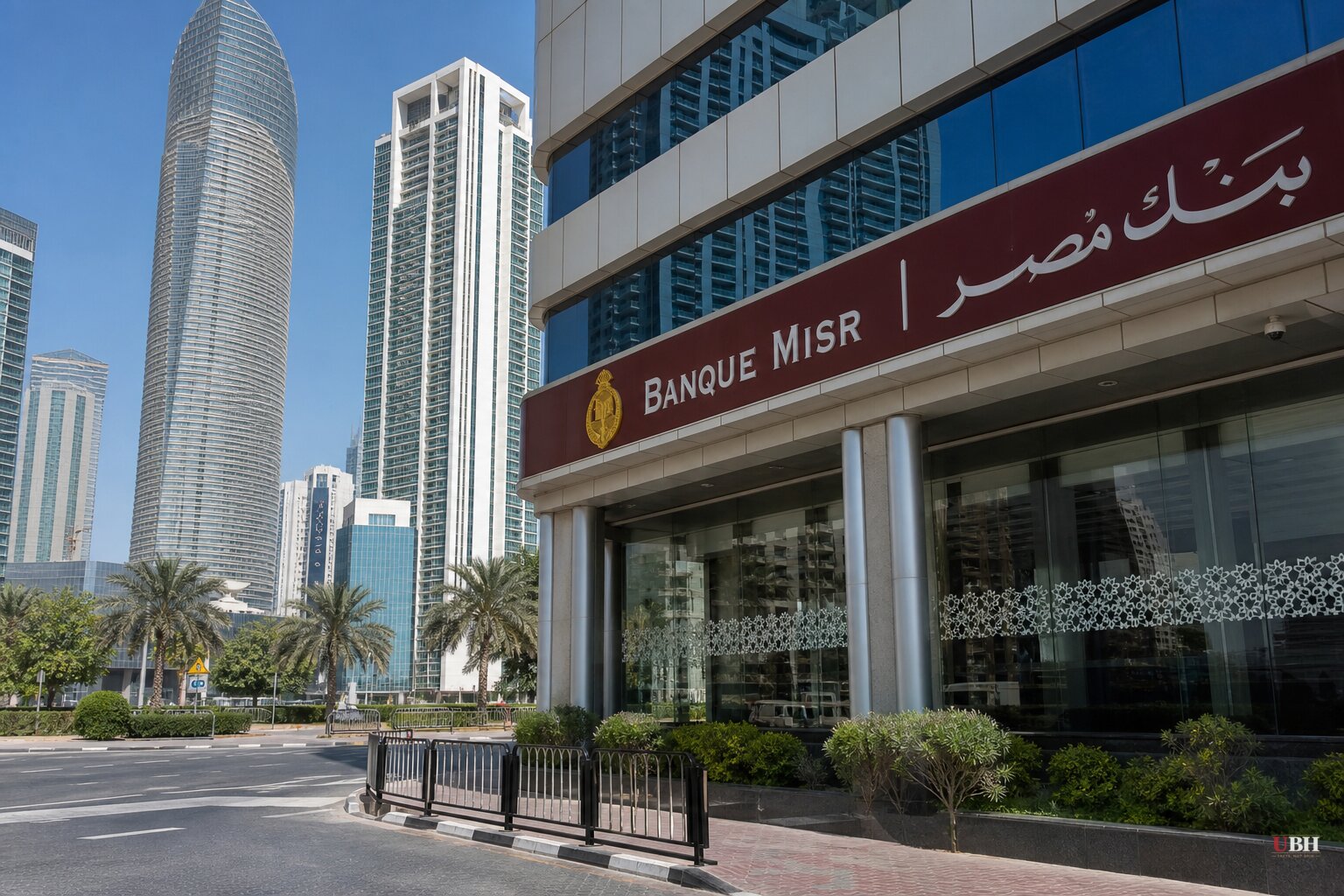
The Treasury Department moved Friday, August 28, to cut off the United Arab Emirates branches of Banque Misr, Egypt's second-largest bank, from the US financial system. The proposed rule, issued through Treasury's Financial Crimes Enforcement Network, would revoke the bank's correspondent banking access starting September 28 if it survives a 30-day public comment period, according to Middle East Eye and the Treasury Department.
Treasury says Banque Misr's six UAE branches processed roughly $1.8 billion between January 2024 and June 2026 for 103 companies it believes are tied to Iran's shadow banking networks, according to Iran International and Jerusalem Post. Treasury Secretary Scott Bessent called the branches a "critical node" for the Iranian regime's access to US dollars.
"Treasury promised to sever every economic lifeline Tehran has left and finally end the threat of the Iranian regime," Bessent said in a statement carried by multiple outlets including CNBC and Jerusalem Post. "Banque Misr UAE decided to find out the hard way, and today, we are taking the first step in holding it accountable for its continued, egregious support of the Iranian regime."
This is the first major action under "Operation Economic Outcast," the sanctions campaign Bessent announced on Monday, August 24. Trump has compared the campaign to D-Day. Bessent had promised earlier in the week that Treasury would name a sanctioned financial institution "by the end of this week," according to CNBC.
The Fine Print Matters Here
The action is far narrower than it sounds. It only hits Banque Misr's UAE branches, not the bank's Cairo headquarters or its branches in Paris, Frankfurt, Riyadh, Beirut, Djibouti and elsewhere, according to a Treasury official cited by both ZeroHedge and Jerusalem Post. The bank's Cairo-based operations can keep doing dollar business as usual.
Egypt's central bank confirmed this directly. "The CBE affirms that this measure is limited to the bank's branches in the UAE and only to its dollar transfers," the Central Bank of Egypt said in a statement reported by PBS. It added the measure "does not extend to the Banque Misr's operations inside Egypt or to any of its overseas branches" and stressed "the strength and resilience of all banks operating in Egypt."
Treasury also sanctioned Reza Mohammad Taeedi, general manager of the Dubai branch of Iran's Bank Melli, accusing the bank of moving "billions of dollars' worth of transactions" for the IRGC-Qods Force, according to Jerusalem Post. A Hong Kong company, Kameng Trading Limited, was sanctioned separately for allegedly laundering money for a sanctioned Iranian exchange house, per Middle East Eye and Reuters reporting cited by ZeroHedge.
The China Question Nobody's Answering
If the goal is to actually choke off Iran's economy, going after a mid-size Egyptian bank's regional branch looks like small ball. China buys about 45% of Iran's government budget's worth of oil, according to the US-China Economic and Security Review Commission cited by Iran International via the Financial Times. No Chinese financial institution has been sanctioned.
Bessent was asked directly Monday whether the US would go after Chinese banks. His answer was carefully hedged: "We find that the best way to engage with countries is through quiet diplomacy, and we are level setting with every country to tell them our expectations," he told reporters, per Middle East Eye. He separately said "no one is above the reach of U.S. sanctions," according to CNBC, but that's a promise, not an action.
PBS's reporting, sourced to the Associated Press, states this plainly: the decision to stop short of full sanctions on Banque Misr and target only its UAE branches "signals the Republican administration's reluctance to penalize major trading partners that do business with Iran, including China and India." The Financial Times, cited by Iran International, made the same point about Washington's "reluctance so far to target major Chinese banks."
There's a legitimate strategic argument for going slow. Xi Jinping is expected to visit the White House next month, according to Middle East Eye, and a full-scale sanctions assault on Chinese banks could rattle global markets and blow up that diplomacy at a sensitive moment. Bessent framed the approach as giving countries "an opportunity to shift away from Iran before it was too late," according to PBS, rather than triggering a financial shock.
But it does mean the "D-Day" rhetoric is running well ahead of the actual target list. Six months into the US war with Iran, which began after US-Israel strikes in late February triggered Iranian retaliation that blocked most Strait of Hormuz traffic according to the Express Tribune, Treasury's public actions have hit an Egyptian bank's foreign branch, one Dubai bank manager, and a Hong Kong shell company. That's the scoreboard so far.
Bessent is scheduled to meet G20 finance ministers next week in Asheville, North Carolina, where he plans to press counterparts individually to join the Iran isolation campaign, according to PBS. Whether that quiet diplomacy produces action against China, or just more warnings, is the open question the next round of announcements will answer.
Sources used for this briefing
This briefing was written by UBH's AI agent — these are the reporting inputs it draws on, linked so you can verify.


