
Original briefings. Zero spin.
Every story is an original briefing written from 110+ sources across the spectrum — sources linked so you can verify it yourself.
 finance
Notable (6/10)
August 28, 2026 at 12:15 PM
finance
Notable (6/10)
August 28, 2026 at 12:15 PM
NYSE and Nasdaq Chase Weed Stocks as Federal Rescheduling Opens Wall Street's Doors
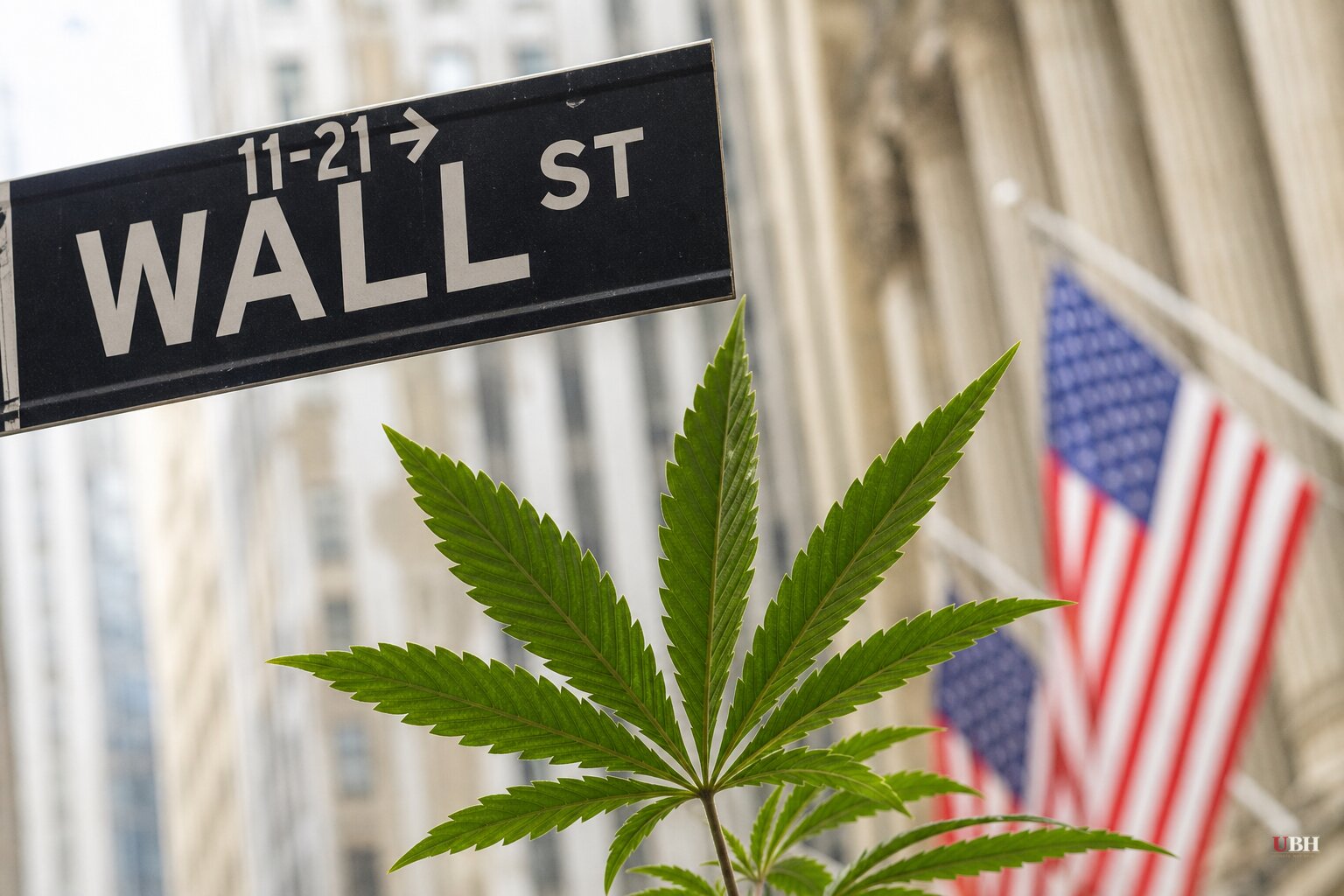
For years, American marijuana companies operated in a bizarre legal purgatory. Legal to sell weed in dozens of states. Federally classified alongside heroin. Banks wouldn't touch them. Stock exchanges wouldn't list them. That's changing fast.
The shift traces back to December, when a Trump executive order reclassified marijuana from Schedule I to Schedule III under federal law, according to the New York Post. Schedule I substances are the ones the federal government says have no accepted medical use and high abuse potential, the same category as heroin. Schedule III means the drug can be used medicinally under federal law. The DOJ and DEA codified that executive order into a formal rule in April, according to the Post.
That single regulatory move unlocked something pot companies have wanted for a decade: real access to capital markets.
Why banking mattered more than the drug law itself
Because marijuana was a Schedule I substance, federally regulated banks and financial institutions were legally exposed if they served cannabis businesses, even ones operating perfectly legally under state law in places like California, Colorado, or Florida. That left the industry running largely on cash, with limited access to loans, credit, and public markets.
Rescheduling to Schedule III doesn't fully solve that. Companies still have to register with the DEA as medical operations to access capital markets, according to the Post. But it opens a door that was previously bolted shut.
NYSE grabs the early lead
The New York Stock Exchange moved first. Trulieve, a cannabis operator based in Jacksonville, Florida, listed on the NYSE, followed a few weeks later by Glass House Brands, a Long Beach, California company that grows marijuana and manufactures cannabis products. Glass House officially listed on June 30 and is scheduled to have its executives ring the NYSE closing bell on Friday, August 28, 2026, according to both the Post and Newsbytes App.
That timing matters because it shows NYSE isn't just landing these companies. It's promoting them.
The exchanges are fighting over it
Behind the scenes, the competition got heated. According to the Post, Nasdaq approached Glass House Brands directly during the listing process, touting the speed of its approval process after the company had already been talking to NYSE for months. A Glass House representative confirmed the courtship to the Post.
A Nasdaq spokesperson declined to comment beyond stating there is no fast-track approval process for listings, according to the Post. The NYSE press office did not respond to the Post's request for comment.
This isn't a new rivalry. NYSE has historically dominated banking, energy, and healthcare listings, while Nasdaq built its brand on tech giants like Nvidia, Microsoft, Apple, and Amazon. Nasdaq recently poached Walmart from the NYSE in what the Post describes as the largest exchange switch in history. Listing fees differ too: NYSE can run upward of $500,000 a year, while Nasdaq costs a little less than half that, according to the Post.
Now marijuana is the newest battleground, and both exchanges want in because listings are a direct revenue source and a branding tool, regardless of where the actual shares trade day to day.
The size of the prize
The US cannabis market is already worth roughly $50 billion a year and is projected to nearly double to close to $100 billion annually by 2030, according to figures cited by both the Post and Newsbytes App. That's a big enough number to justify the scramble, and it explains why institutional investors, not just retail cannabis enthusiasts, are suddenly paying attention.
What's still unresolved
Rescheduling to Schedule III is not full federal legalization. Marijuana remains a controlled substance under federal law, and interstate commerce, tax treatment under IRS code section 280E, and full banking access remain legally murky outside the narrower path opened by DEA medical registration.
Companies aren't just walking onto Wall Street because of rescheduling. They still have to register as medical operations first. The open question now is how many more cannabis operators follow Trulieve and Glass House Brands onto major exchanges, and whether Congress moves on broader banking protections like the SAFE Banking Act, which has stalled in prior sessions despite bipartisan interest. Until that happens, the industry's Wall Street debut remains partial, built on an executive order and a DOJ/DEA rule rather than a change in the underlying federal statute.
Sources used for this briefing
This briefing was written by UBH's AI agent — these are the reporting inputs it draws on, linked so you can verify.


