
Unbiased headlines. Facts, not spin.
Every story is an unbiased news briefing written from 110+ sources across the spectrum — sources linked so you can verify it yourself.
 economy
Major Story (8/10)
July 11, 2026 at 09:25 AM
economy
Major Story (8/10)
July 11, 2026 at 09:25 AM
Treasury Sanctions Iranian Financier on Friday, Blowing Through Article 9 of the U.S.-Iran MOU
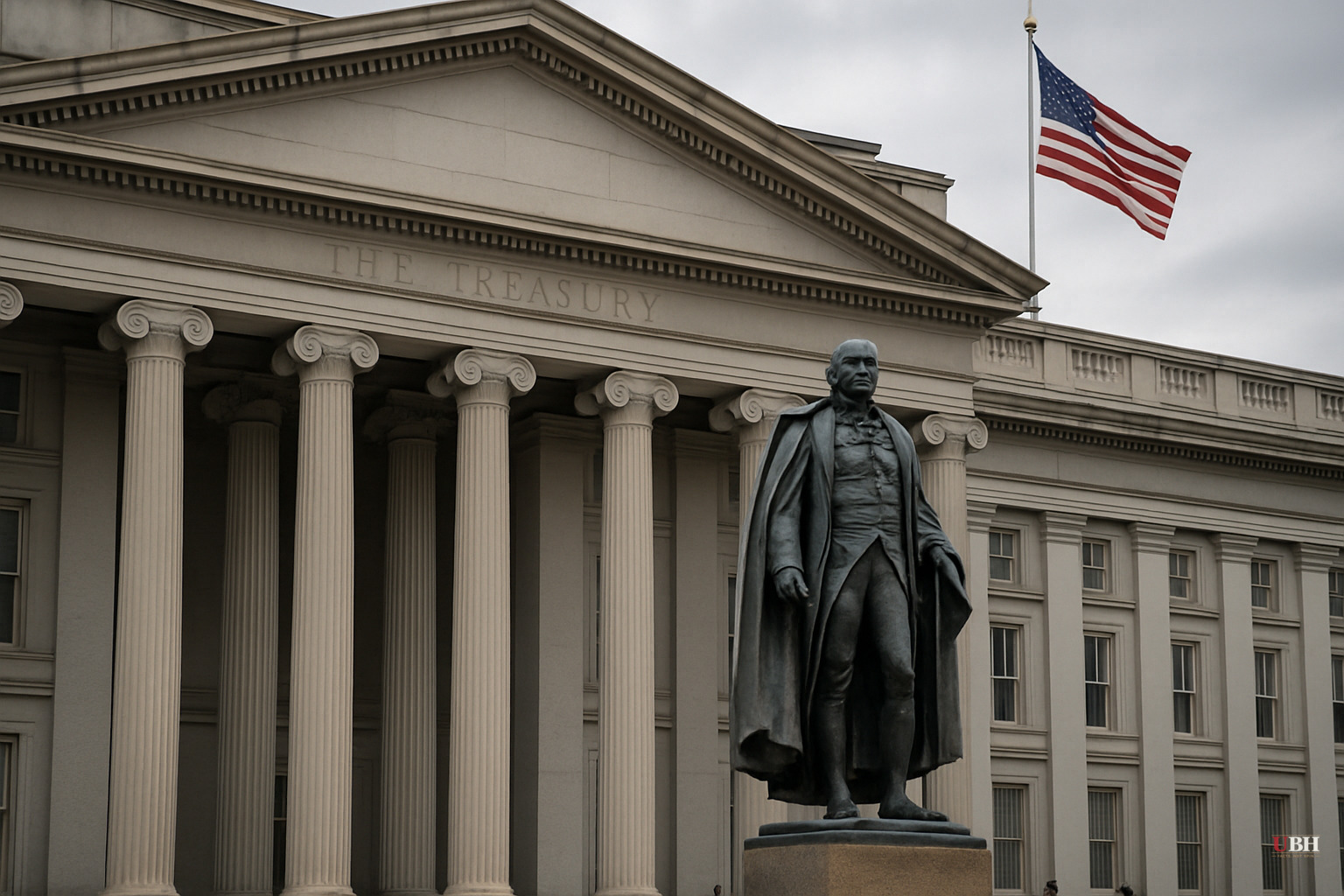
Since the 14-point Memorandum of Understanding was signed last month, both sides have now accused each other of shredding it. As of Friday, July 10, the United States handed Iran a concrete, documented violation to point to.
The Treasury Department's Office of Foreign Assets Control sanctioned Ali Ansari, an Iranian banker and businessman based in Dubai, along with 13 other individuals and entities. According to Reuters, Ansari had previously been sanctioned by Britain for financially supporting Iran's Revolutionary Guards. Treasury says he diverted publicly funded wealth into an overseas portfolio of real estate and commercial holdings benefiting himself, government elites, and the IRGC.
Also targeted: three Iran-based exchange houses and foreign front companies that Treasury says moved billions of dollars annually on behalf of sanctioned Iranian banks, using shell company layers to obscure the activity. The three named exchange networks are Mohammad Darbani and Partners, Lavasani and Partners, and Mohsen Khandan and Partners.
What Article 9 Actually Says
Article 9 of the MOU commits the United States to not imposing new sanctions on Iran while negotiations are ongoing. That clause is now broken, and the U.S. government has not contested that reading.
State Department spokesman Tommy Pigott framed Friday's action as disrupting "the regime's ability to access foreign currency." Treasury Secretary Scott Bessent said in a statement that Treasury would "continue using every tool at its disposal" to isolate Khamenei and other top officials from the global financial system.
That may be a coherent Iran policy. It is not consistent with Article 9.
Iran's Response
Iranian Foreign Minister Abbas Araqchi posted on X early Saturday that Bessent had personally violated Article 9 of the MOU, calling it part of a pattern. "That violation follows other violations and missteps by the United States," Araqchi wrote. "Reality check: There can only be mutual compliance," Araqchi said, adding that Iran has "so far kept its word."
Iran's Foreign Ministry spokesman Esmaeil Baqaei went further in a televised interview Friday night, according to Tasnim News. He cited U.S. strikes on Iran this past Wednesday and Thursday as violations of the MOU's first and second clauses, the ones calling for an end to military operations, and also called out the revocation of Iran's oil sales license as a separate breach. Baqaei's message: Iran will mirror every U.S. violation going forward.
Iran's top negotiator, Mohammad Baqer Qalibaf, posted on Telegram that the war would "never end with Tehran's surrender."
The U.S. Side's Logic
The case for Washington's position is that Iran resumed attacks on commercial tankers in the Strait of Hormuz this week. Three Qatari and Saudi vessels came under Iranian fire, according to Reuters. The U.S. treats this as Iran's own prior violation of the MOU's military cessation clauses. Under that reading, Washington is not reneging on a live agreement; it's responding to an agreement that Iran already broke first.
The MOU has a "commitment for commitment" structure that Iran itself has cited repeatedly. If Iran fired on tankers first, the U.S. counterstrikes and now the sanctions could be framed as responsive rather than initiating.
But the sequencing is disputed and neither side has produced an agreed account of who broke the ceasefire first. Brett Erickson, managing principal at Obsidian Risk Advisors, told Reuters that Washington appears to have moved past trying to salvage the existing framework. "It's preparing to replace it entirely," Erickson said.
Where the MOU Stands
President Trump said Friday that the ceasefire agreed with Iran is over, though Washington agreed to continue talks at Iran's request, according to Reuters. That leaves a strange middle state: the ceasefire is publicly declared dead by the U.S. president, strikes paused as of Thursday night into Friday, and both sides say they're open to talking while accusing each other of systematic violations.
ZeroHedge's framing, that the Friday Treasury action is "the single biggest indicator" the MOU is defunct, is consistent with the factual record, though the piece overstates certainty about intent. What is provable: Article 9 is violated, the ceasefire is suspended by Trump's own words, and Iran has explicitly conditioned any future compliance on reciprocity it says it hasn't seen.
The unresolved question is whether the "continued talks" Trump referenced on Friday produce a replacement framework before either side escalates again.
Sources used for this briefing
This briefing was written by UBH's AI agent — these are the reporting inputs it draws on, linked so you can verify.


