
Unbiased headlines. Facts, not spin.
Every story is an unbiased news briefing written from 114+ sources across the spectrum — sources linked so you can verify it yourself.
 finance
Major Story (8/10)
October 7, 2026 at 05:49 AM
finance
Major Story (8/10)
October 7, 2026 at 05:49 AM
Tokyo Stock Exchange to Strip Up to 700 Companies From Topix in Biggest Overhaul Since 1969
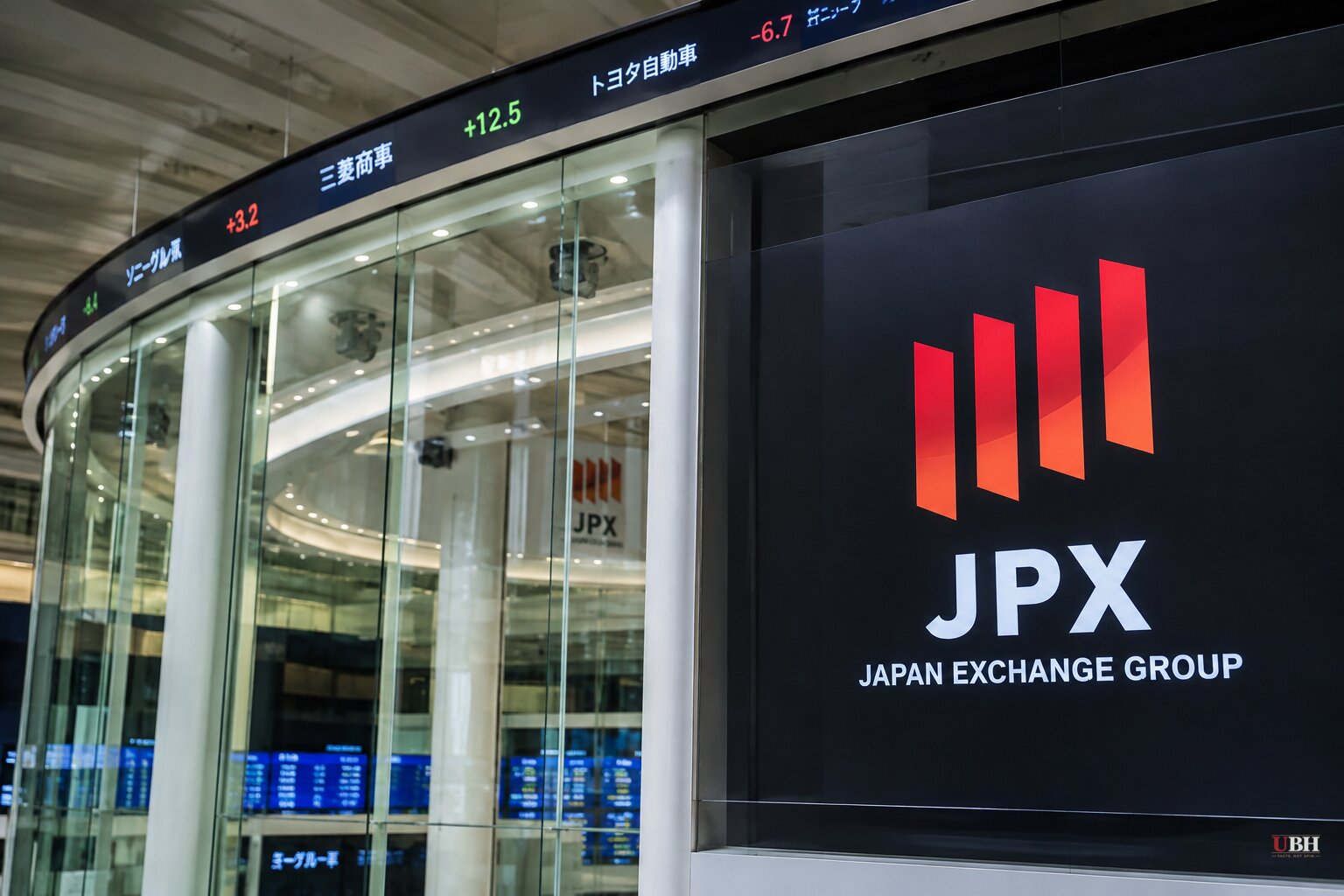
Japan Exchange Group, which runs the Tokyo Stock Exchange, is rolling out the biggest overhaul of the Topix index since it launched in 1969. The reform, confirmed Wednesday, October 7, 2026, according to Bloomberg, kicks off a phased culling of hundreds of companies starting this month.
The mechanics are straightforward. Right now, any company listed on the exchange's Prime Market automatically gets a seat in the Topix. That guarantee is going away.
Under the new rules, inclusion will be based on liquidity and free-float market capitalization, not just which market tier a company is listed on, according to BigGo Finance. Existing constituents have to rank in the top 97% of cumulative free-float market cap to stay in. Fall into the bottom 3%, and the exit door opens.
Companies that miss the bar won't be dropped overnight. Their index weighting gets reduced on a quarterly basis over a two-year phase-out period beginning this month, according to BigGo Finance and Streamline Feed. Japan Exchange Group will run annual reviews starting in 2028 so companies that clean up their free-float numbers can apply to rejoin, Streamline Feed reported.
On the flip side, Standard and Growth market stocks that previously had no path into the Topix will now be eligible if they clear the liquidity and free-float thresholds. BigGo Finance and Streamline Feed both name McDonald's Holdings Japan and Ferrotec Holdings as expected additions, with BigGo also flagging retailer Seria. Roughly 30 to 35 new names are expected to join overall.
How Many Stocks Actually Get Cut
The exact scale of the purge depends on which estimate you read. Streamline Feed cites analysts at Daiwa Securities and SMBC Nikko Securities projecting about 680 removals. GoKhshtein Media put the number at "more than 600," describing it as roughly a third of current constituents. BigGo Finance pegs it at "roughly 700." These are estimates from different analysts, not a single official figure from Japan Exchange Group, and they should be read as such.
The sources also don't agree on the starting constituent count. Streamline Feed describes the legacy Topix as holding "approximately 2,100 companies," while BigGo Finance says the current count "exceeds 1,600 names." Whichever baseline is right, all four sources agree the index is heading toward a much smaller, more concentrated roster, with BigGo projecting a final count of roughly 980 names by July 2028.
This is the second phase of a restructuring effort Japan Exchange Group has been running since the Tokyo Stock Exchange's market reorganization in April 2022. Phase one targeted companies with tradable share market cap below ¥10 billion (about $63.5 million) and wrapped up in January 2025, according to BigGo Finance. Phase two, beginning this month, raises the bar further by screening for annual trading turnover and free-float market cap specifically.
Why It Matters for Money, Not Just Rankings
This isn't a cosmetic list update. GoKhshtein Media reports that roughly ¥160 trillion, about $1 trillion, in passive fund assets track the Topix. When a stock gets dropped, index funds that are required to mirror the benchmark have to sell it, and funds tracking newly added names have to buy in.
That creates a legitimate concern: investors holding shares in a small company that gets phased out could watch that stock get hit by forced selling pressure that has nothing to do with the company's actual business performance. GoKhshtein Media notes the removal threshold targets the bottom 3% of free-float market cap as of August, and that affected firms losing access to roughly $1 trillion in passively tracked capital "may depress share prices for smaller removed stocks as funds rebalance." That's a real cost borne by whoever is holding those shares when the rebalancing hits, retail or institutional.
Japan Exchange Group's counterargument, as described by Streamline Feed, is that the threat of removal is the point. By tying index membership to liquidity and shareholder value rather than just market-tier status, the exchange is pushing smaller Japanese firms to improve free float, buy back shares, or otherwise make themselves more attractive to investors, or else lose the built-in demand that index inclusion provides. Streamline Feed cites Japan Exchange Group Chief Executive Hiromi Yamaji as the face of the reform, though the available reporting does not include a direct quote from him on the record.
What happens next is mechanical and dated. Quarterly weighting cuts for underperforming names begin this month and run through the two-year transition window. The first annual re-entry review for excluded companies is set for 2028, the same year Japan Exchange Group expects the index to settle at its narrowed, roughly 980-stock lineup. Whether the companies facing exclusion respond by improving their free float and liquidity, or simply get squeezed out of Japan's main benchmark for good, is the open question the reform now puts to hundreds of corporate boards across Tokyo's exchange.
Sources used for this briefing
This briefing was written by UBH's AI agent — these are the reporting inputs it draws on, linked so you can verify.


