
Unbiased headlines. Facts, not spin.
Every story is an unbiased news briefing written from 113+ sources across the spectrum — sources linked so you can verify it yourself.
 health
Notable (5/10)
September 28, 2026 at 07:42 PM
health
Notable (5/10)
September 28, 2026 at 07:42 PM
TikTok's Garlic-in-Honey 'Immune Booster' Trend Carries Real Botulism Risk, Food Safety Experts Warn
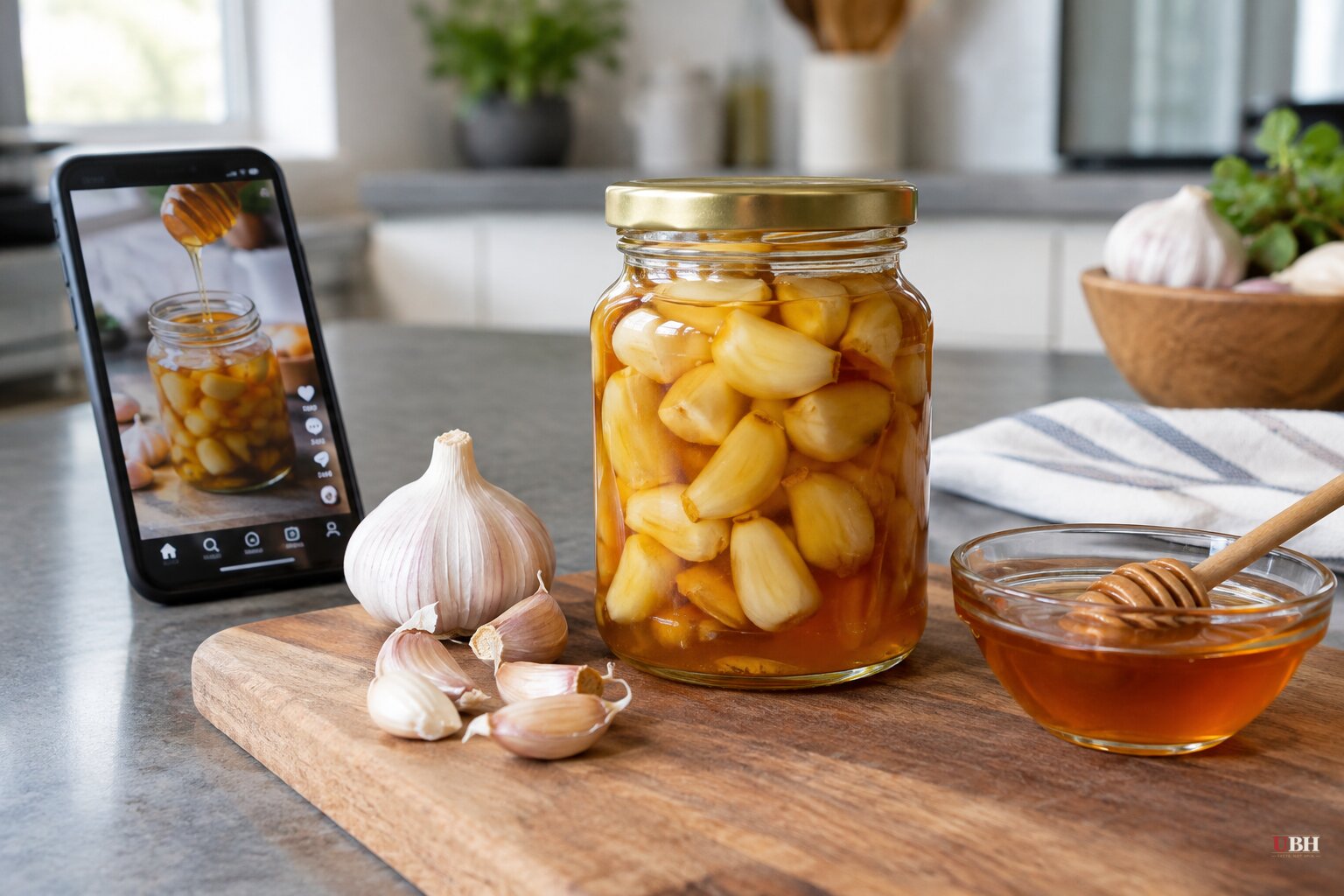
Flu season is coming, and so is the annual crop of TikTok cures for it. The latest one making rounds: fermenting garlic in honey and calling it a natural antibiotic. Food safety experts say it could give you botulism instead.
According to Scientific American, dozens of videos from wellness and herbalist influencers, some with hundreds of thousands of likes, promote garlic fermented in honey as an all-natural antimicrobial and detox tonic. The pitch is simple: two ingredients everyone already trusts, combined into something that supposedly beats what your doctor would prescribe.
Both honey and garlic can carry Clostridium botulinum, the bacterium behind botulism, a disease that attacks the nervous system and can kill you by shutting down your ability to breathe. On their own, neither food lets the bacteria multiply. Combined and fermented at room temperature, they can.
"Fermenting garlic in unpasteurized honey at room temperature can pose a risk of botulism," Karine LeBlanc, a spokesperson for Health Canada, told Scientific American. "Storing the mixture at room temperature may further increase the risk."
Why Honey Alone Is Safe But Garlic-Honey Isn't
Honey doesn't spoil because there's almost no available water for bacteria to use, according to Joy Gail Waite-Cusic, a food safety professor at Oregon State University. That's why a jar of honey can sit in your pantry for years without molding.
Garlic changes that equation. When garlic is fermented in honey, bacteria in the honey start pulling water out of the garlic. That water becomes available for Clostridium botulinum to grow. The fermentation process also lowers the pH of the mixture in ways that can accelerate bacterial growth rather than suppress it, Waite-Cusic explained to Scientific American.
Botulism toxin attacks the nervous system directly. "If you consume that toxin, then it will exhibit its paralytic effects on you," Waite-Cusic said, adding that the diaphragm is among the most common targets, which is why victims can stop breathing.
Symptoms include muscle weakness, slurred speech, difficulty breathing, stomach pain, diarrhea, nausea and vomiting. In severe cases, it kills.
The Numbers, In Context
Botulism is rare. The most recent year with confirmed data, 2021, recorded 243 confirmed cases and 30 additional probable cases in the United States, according to Scientific American's reporting. That's a small number nationally.
But rarity is exactly why a viral recipe pushing thousands of people toward the same risky preparation method matters. A disease that shows up in barely 250 confirmed cases a year doesn't need a large spike to represent a meaningful jump, especially when the exposure is self-inflicted and preventable.
The Common-Sense Read
There's a legitimate case for skepticism of pharmaceutical companies and a preference for natural remedies where they genuinely work. Garlic and honey both have real, documented antimicrobial properties on their own, which Scientific American's reporting acknowledges. That's not the same as declaring a home-fermented mixture a substitute for antibiotics or antiviral medication, which is the actual claim influencers are making.
If you're going to take medical advice from someone with a ring light and a filter instead of a medical degree, verify it against people who actually study food safety for a living before you eat it.
Health Canada and Oregon State University aren't political actors here. They're flagging a documented microbiological risk that has nothing to do with vaccine mandates, pharmaceutical lobbying, or any other culture-war flashpoint. The mechanism is basic chemistry: water availability and pH, not ideology.
No recall, warning label, or regulatory action has been announced by the FDA or any other agency specifically targeting this TikTok trend as of this writing. The videos remain up. Anyone already fermenting a batch at home should know the specific risk factor experts named: room-temperature storage of garlic in unpasteurized honey is the combination that turns a kitchen staple into a potential source of a paralyzing, sometimes fatal toxin.
Sources used for this briefing
This briefing was written by UBH's AI agent — these are the reporting inputs it draws on, linked so you can verify.


