
Unbiased headlines. Facts, not spin.
Unbiased Headlines is an independently owned news organization. We bring you the facts, not opinions, written fresh from 110+ named sources. Sources linked so you can verify it yourself.
 defense
Major Story (8/10)
Three Sources Confirm Iran Hit Navigation Equipment on Oman's Didamar Island; Damage Unclear
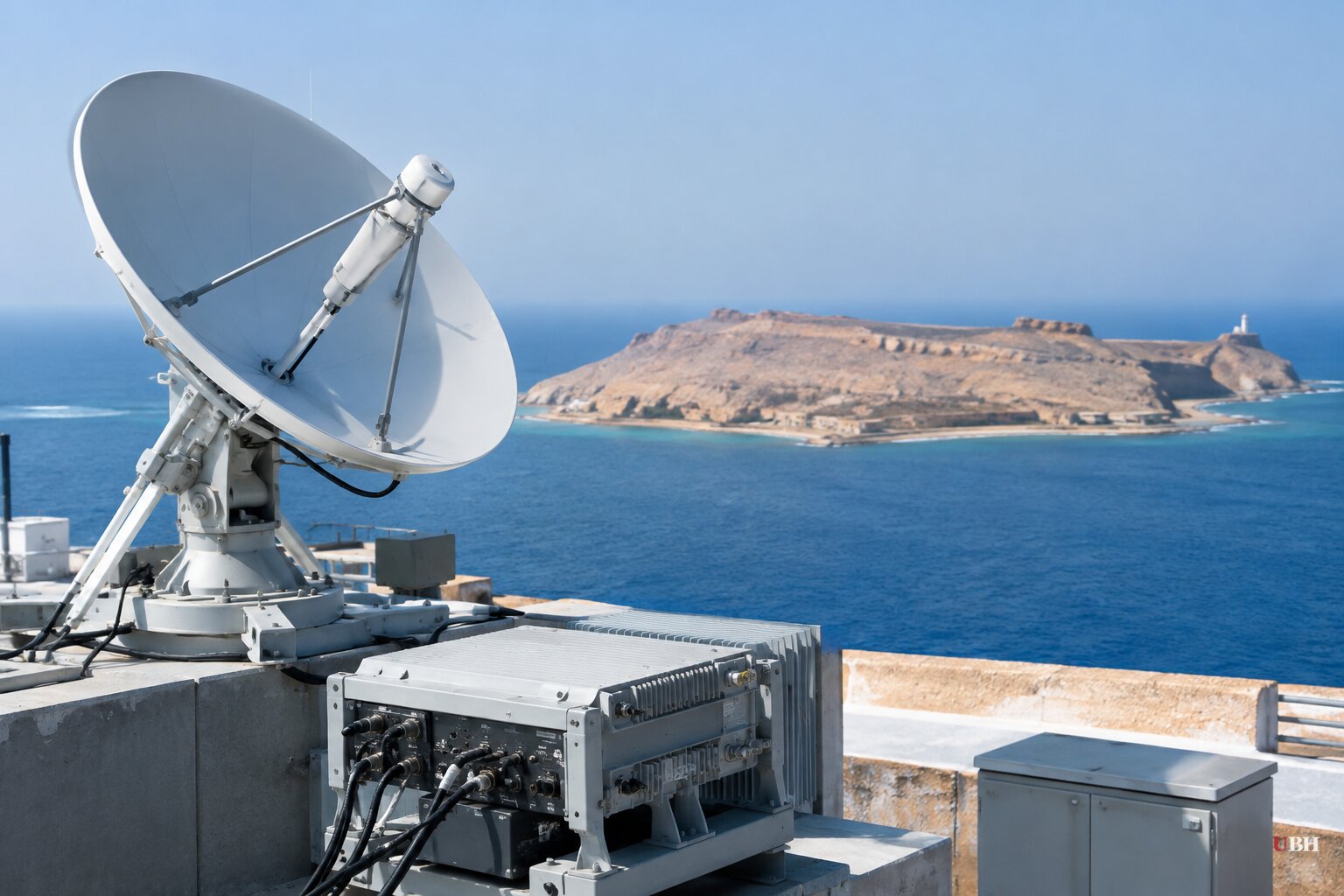
Since Iran closed the Strait of Hormuz in February and the U.S. imposed, lifted and then reinstated its blockade of Iranian ports, the southern route through Omani waters has become the lifeline for Gulf oil. Now that route has been hit. Three sources with knowledge of the matter confirmed Wednesday that navigation and communications equipment on Oman's Didamar Island, also called Little Quoin Island, was attacked.
The sources gave no damage assessment. Reuters could not independently determine whether any systems were destroyed.
What Iran claims
The Islamic Revolutionary Guard Corps said Tuesday, Nov. 10, that it struck "enemy navigation systems" on the island. Iranian state television claimed personnel and equipment there were "helping the flow of oil smuggling by the enemy."
An unnamed IRGC Navy official told Iranian state media the navigational aids in the south of the strait were destroyed. He added that no vessels Iran considers unauthorized crossed the route overnight.
Iran treats ships using the southern corridor near the Omani coast as unauthorized. On Nov. 8, the IRGC Navy said two oil tankers caught fire after hitting mines on what it called an unauthorized route.
What is established
The Institute for the Study of War placed the attack on Nov. 8, two days before Iran claimed it. ISW said the extent of the damage remains unclear and noted that commercial vessels kept using the southern route afterward.
Satellite imagery from the EU's Copernicus Sentinel-2 program dated Nov. 8 shows scorch marks near the radar and radio equipment. The imagery does not show what caused the damage or which systems were affected. Video confirmed smoke rising from the island, though it was unclear what was burning.
Oman confirmed a loud explosion at the base on the island, and an Omani Coast Guard official gave no further details. The Maritime Executive quoted a senior Omani official as saying the aids had not been struck. Satellite analyst Arya Yadegaar said burn marks were visible as early as Nov. 8, while imagery from the morning of Nov. 10 shows no obvious damage.
Oman's media ministry and U.S. Central Command did not immediately respond to requests for comment.
About the island
Didamar sits roughly 10 nautical miles north of the Musandam Peninsula. It hosts the Hormuz Control Centre, run by Oman's Royal Navy, along with a 25-metre marine radar tower, a radio relay carrying Channel 16 and a lighthouse dating to 1914. Oman has administered the traffic lanes since 1968. These are Omani civilian installations, not American ones.
Before the war, 130 to 140 ships a day used the lanes, according to Reuters. Al Jazeera reported just eight vessels transiting on Aug. 3.
Since then, flows have recovered. Gulf oil exports rose above 80 percent of pre-war levels in September and October, helped by U.S. military-assisted passage and higher Saudi shipments through the Red Sea port of Yanbu. The U.S. military says about 1.5 billion barrels have moved through the strait since the summer. Exporters have also leaned on ship-to-ship transfers off Oman's Sohar and the UAE's Fujairah.
Limited commercial impact, so far
Two shipping sources and a maritime security source told Reuters the Didamar attack would likely have limited impact on commercial traffic. One said other systems are in place elsewhere.
That cuts against the IRGC's claim that it shut the route. It does not change the fact that Iran can reach infrastructure that Oman, a country Tehran has been negotiating with, relies on to run the lanes.
A separate incident came Wednesday. Iran's army said an oil tanker struck a mine and caught fire in the strait after entering a prohibited area. The UK Maritime Trade Operations agency said it had received a report of an incident involving a tanker there and that the condition of the crew was not yet known.
The diplomatic backdrop
The strike lands as diplomacy and force run side by side. U.S. officials said strikes on Iran's Qeshm Island on Nov. 2 were limited and did not mean a return to full-scale combat. President Trump said Monday, after meeting Qatar's prime minister, who is mediating, that the war is effectively over militarily.
The House of Saud Daily Briefing reported that Iran had for months described a deal with Oman on reopening the strait as being in its final stages. The same outlet noted that Iran's foreign minister has described military strikes on Oman as "not our choice." Any reopening arrangement would need the Omani-run systems on Didamar intact.
Oman has not publicly said who it believes fired on the island or what was damaged. Whether Muscat's formal response matches the senior official's reported denial, and whether CENTCOM changes how it escorts ships on the southern route, are the open questions.
The U.S. blockade of Iranian ports remains in place.
Sources used for this briefing
7 links from 6 independent newsrooms (syndicated copies of the same report count once)
These are the sources it draws on, linked so you can verify.


