
Unbiased headlines. Facts, not spin.
Unbiased Headlines is an independently owned news organization. We bring you the facts, not opinions, written fresh from 110+ named sources. Sources linked so you can verify it yourself.
 defense
Major Story (8/10)
Rubio Says Blockade Makes Major Iran Strikes Unnecessary as Qatar Pushes Talks
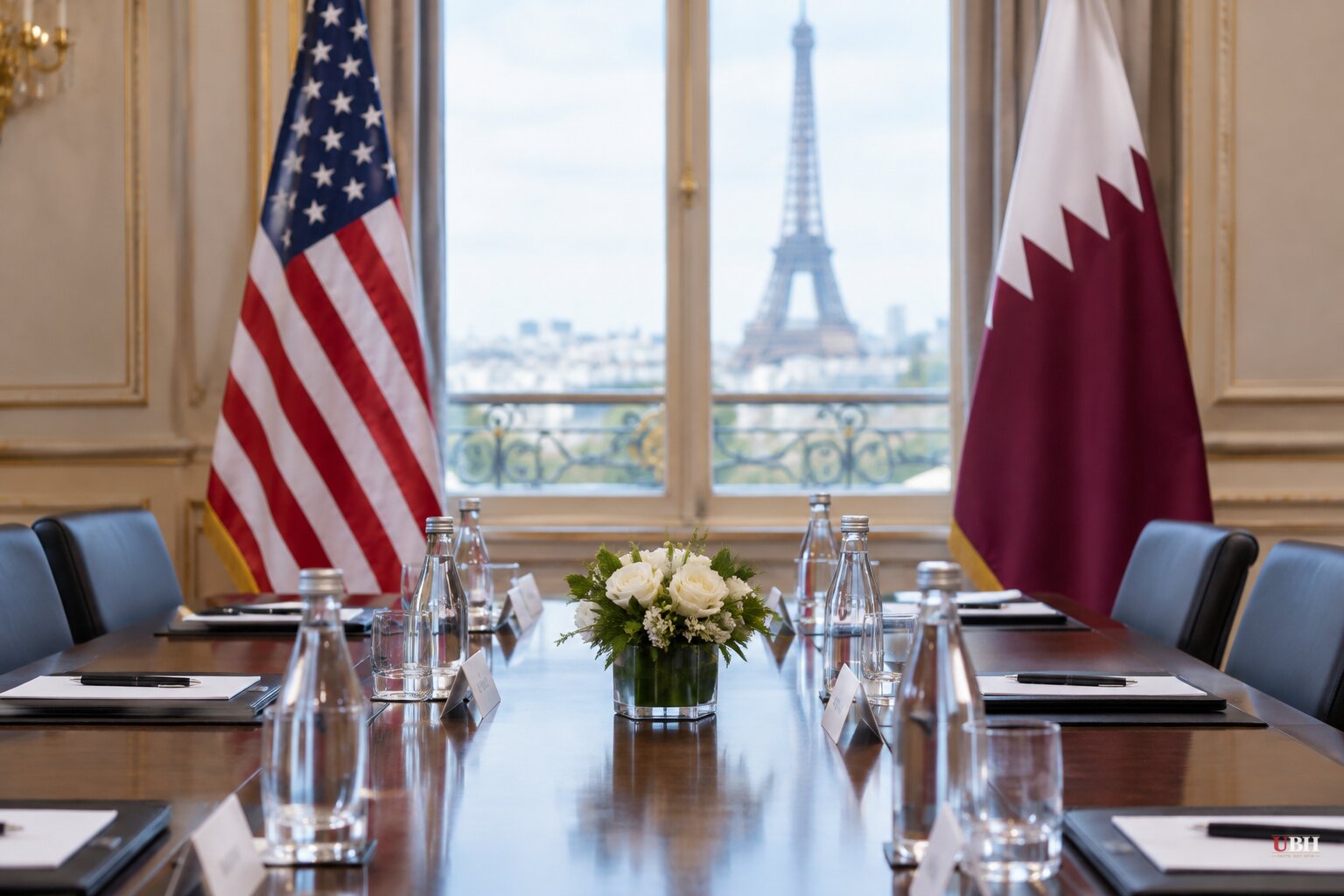
Since the U.S.-Iran war began in February, the White House has swung between threats of renewed strikes and talk of a deal. This week it settled, for now, on keeping the blockade of Iranian ports in place and holding off on major combat operations.
Secretary of State Marco Rubio laid that out Tuesday, Nov. 10, after two days of G7 foreign ministers' meetings in Paris. "The President has concluded that for the time being there is no need for major combat operations because we're achieving the same objective by economic means," he said.
Rubio rejected the idea that this amounts to a stalemate. "We don't need to conduct military strikes if we're achieving the same objective through economic means and economic pressure. That's not stalemate," he said. "The economic pressure on Iran is going to get even worse."
What Rubio and Trump said
Rubio said Iran is burning through its last oil cargoes, which left port during an earlier brief ceasefire. "Once that dries up, almost all of their oil revenue will dry up," he said. He also said Iran has never before faced such an inability to sell energy on the global market.
He urged G7 allies to help protect shipping around the Strait of Hormuz, where he said U.S. forces will stay.
His remarks followed President Trump's on Monday, Nov. 9. Trump wrote on Truth Social that further strikes were "quite unlikely" and that he sees "positive momentum" toward ending the conflict. He also said U.S. forces remain "locked and loaded." He said the Gulf allies prefer the "status quo" of the blockade. Rubio, for his part, said flatly: "not status quo."
Trump said he held off on strikes after appeals from regional countries, including Qatar's prime minister, who met him at the White House.
Vance and the midterm fallout
The public messaging comes after a bad midterm night for Republicans. Trump has acknowledged the Iran war was one reason for it. Vance went further in a post on X: "The reason we lost is the war. The president himself said so last night."
Vance cited an unnamed pollster who said defecting voters want the war ended, inflation addressed, an America First posture and a changed relationship with Israel.
The numbers are not that clean. The Fox News Voter Poll found 89% of voters called the cost of living a crucial or major factor in their House vote. 74% said the same of the Iran war. That poll does not establish which issue drove Republican defections, and the two overlap.
Fox News Digital said it contacted Vance's office five times asking whether ending the war would mean lifting the blockade, pulling out U.S. forces or winning new concessions from Tehran. It got no response.
A person familiar with the administration's thinking told Reuters that Vance prefers a deal, but Trump is for now convinced a workable one is not possible. The same person said chief of staff Stephen Miller and Treasury Secretary Scott Bessent favor economic pressure over strikes. The White House did not respond to Reuters' request for comment.
Rubio defended the war in terms that sit apart from the midterm argument. "Sometimes, when you do the right thing, you don't know whether it's popular or not, but it's still the right thing to do," he said on Sunday. Trump has named Rubio as a possible 2028 contender in a CBS interview.
The diplomacy
Qatar's prime minister, Sheikh Mohammed bin Abdulrahman Al Thani, met Trump for 45 minutes Monday and met Vance separately. Axios, citing sources familiar with the mediation, reported that he urged Trump to give diplomacy more time and that Vance has spoken with him almost daily for two weeks.
The framework under discussion would have Washington ease the naval blockade and release frozen Iranian funds. Tehran would allow international nuclear inspections and reopen the Strait of Hormuz. Iran's own proposal, as described by Reuters, would halt U.S. bombing, ease sanctions and end the blockade in exchange for reopening Hormuz, with nuclear talks to follow.
The gap is wide. Iran is also seeking reinstated oil waivers, a smaller U.S. military presence and relief from sanctions reimposed after a June memorandum of understanding collapsed. Rubio called those demands "totally unrealistic" and earlier "outrageous and ridiculous."
Tehran's public line is that nothing is happening. Foreign Minister Abbas Araghchi said the war will not end through military means or more sanctions. Mohsen Rezaei, the top security official, said there are no negotiations and warned Iran would retaliate against any new U.S. attack. An unnamed senior security official cited by the IRGC-affiliated Tasnim agency said no talks will be considered until Washington acts on Iran's "seven conditions." Qatar says it is still mediating and has had positive reactions from both sides.
The risk of a return to force has not gone away. A vessel was hit by an unknown projectile in the Strait of Hormuz on Nov. 1, and Qatar said one of its gas tankers was attacked days earlier.
What comes next
Ibrahim Kalin, head of Turkey's National Intelligence Organization, said Monday that Qatar would host Vance and Rezaei in Doha next week. He warned that failure to reach a deal could bring another U.S. attack. Tehran's official denial came soon after. Whether that meeting happens will show whether the "positive momentum" Trump cites exists on the Iranian side.
Sources used for this briefing
7 links from 7 independent newsrooms (syndicated copies of the same report count once)
These are the sources it draws on, linked so you can verify.


