
Unbiased headlines. Facts, not spin.
Every story is an unbiased news briefing written from 110+ sources across the spectrum — sources linked so you can verify it yourself.
 energy
Major Story (7/10)
July 7, 2026 at 01:55 PM
energy
Major Story (7/10)
July 7, 2026 at 01:55 PM
Three Energy Markets Move at Once: ADNOC Locks In 15-Year LNG Deal, Shell Posts Trading Windfall, and India Imports Record Crude While Burning Less of It
Hormuz tanker traffic is slowly recovering despite persistent risks, according to OilPrice.com, and the market responses are becoming structural rather than reactive.
ADNOC Locks In Japan for 15 Years
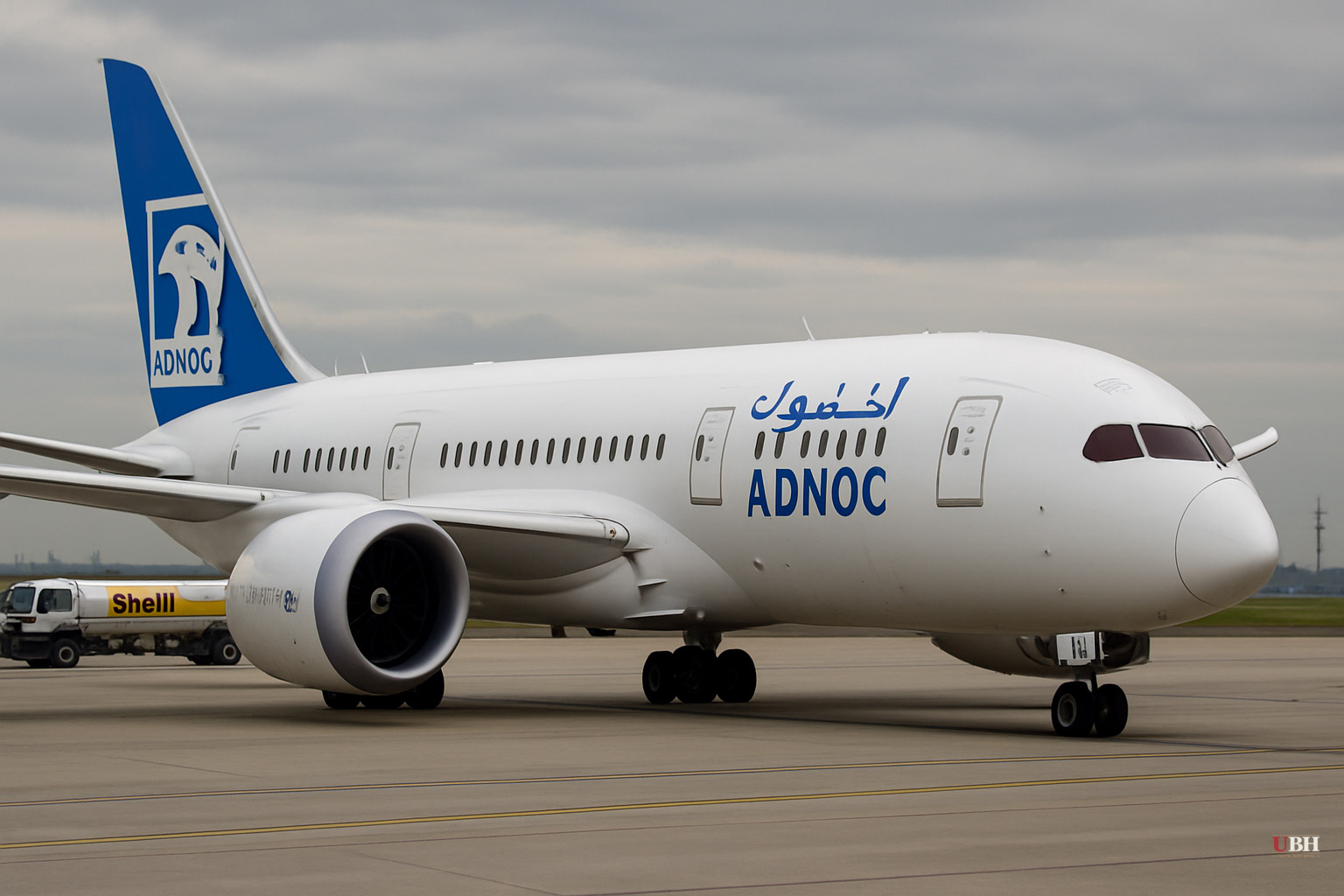
Abu Dhabi National Oil Company signed a 15-year LNG supply agreement with Japan's Inpex, according to OilPrice.com. The duration alone signals where both parties think energy geopolitics are headed. Japan imports essentially all of its natural gas and has been scrambling for supply security since the Hormuz disruptions tightened spot market availability.
A 15-year commitment is not a hedge. It is a bet that Middle East instability is a structural feature, not a temporary problem. For ADNOC, locking in a long-term customer at what are likely elevated contract prices is straightforward commercial sense. For Inpex, paying a premium for certainty over the next decade and a half reflects how badly Tokyo wants off the spot-market roller coaster.
The deal adds to a growing list of long-term LNG contracts being signed globally as buyers flee price volatility. OilPrice.com also reported that Middle East conflict is broadly clouding the LNG outlook even as global LNG trade hits a record high volume. That combination, record trade volume alongside rising uncertainty, explains why producers like ADNOC can demand long commitments and buyers will sign them.
Shell's Trading Desk Had a Very Good Quarter
Shell signaled a trading windfall in its oil and gas division for Q2, citing the Iran war environment as a key factor, according to OilPrice.com. The company has not yet reported final Q2 figures, but the forward guidance language is pointed.
Shell's trading operation profits most from volatility. Wide bid-ask spreads, rerouting cargoes around disrupted corridors, and arbitrage between regional price dislocations are the mechanism. The Hormuz partial closure created exactly those conditions. A tanker rerouted around the Cape of Good Hope instead of through the strait adds significant sailing time and cost. Shell's traders, with access to global fleet capacity and price information, can exploit that spread.
A fair concern is whether major integrated oil companies benefit from the very instability that raises energy costs for consumers and manufacturers. Shell would counter that its trading function provides liquidity and price discovery that markets need precisely during disruptions, and that without active traders, dislocations would be worse, not better. Both perspectives capture part of the picture. Shell's Q2 guidance points to a significant earnings contribution from volatility, and Shell's shareholders will see it.
Full Q2 results have not been released.
India: Importing More, Burning Less
The most counterintuitive data point of the week comes from India. The country recorded record crude oil imports while fuel consumption simultaneously slipped, according to OilPrice.com.
India has been opportunistically buying discounted crude from suppliers willing to work around Western sanctions regimes, including Russian barrels routed through various channels. The record import number reflects India stockpiling cheap crude while prices remain manageable, not an increase in current end-user demand.
The slip in actual fuel consumption points to something else: slowing economic activity, a shift in the energy mix, or both. India has been aggressively expanding its refinery capacity and domestic renewables, and a portion of the crude it imports may be processed for re-export as refined product rather than consumed domestically. OilPrice.com also noted that India resumed Iraqi oil imports despite Hormuz shipping risks, which suggests New Delhi is willing to accept some supply-chain exposure rather than pay the premium for non-Gulf alternatives.
For global demand forecasters, India running record imports alongside falling domestic consumption creates a genuine ambiguity. Is demand actually softening in one of the world's fastest-growing economies, or is this a one-quarter inventory-building anomaly?
What Connects These Three Stories
All three developments reflect the same underlying dynamic. The Hormuz disruption has not resolved. Buyers with the financial means are locking in supply through long-term contracts. Traders with the agility to arbitrage disrupted routes are posting outsized profits. And large import-dependent nations like India are front-loading inventories while pricing remains tolerable.
None of this looks like a market expecting a swift return to normal. The ADNOC-Inpex 15-year term signals that two sophisticated energy counterparties bet the current environment persists long enough to justify a decade and a half of committed volume.
The open question is whether Shell's Q2 trading results, when fully reported, reveal how much of that windfall came specifically from Hormuz-related rerouting versus broader commodity volatility. That number, once disclosed, will tell us about the economic scale of the disruption that the tanker traffic data alone cannot capture.
Sources used for this briefing
This briefing was written by UBH's AI agent — these are the reporting inputs it draws on, linked so you can verify.


