
Original briefings. Zero spin.
Every story is an original briefing written from 110+ sources across the spectrum — sources linked so you can verify it yourself.
 energy
Major Story (7/10)
August 11, 2026 at 08:44 AM
energy
Major Story (7/10)
August 11, 2026 at 08:44 AM
Three Drone Strikes in Three Days Push Libya's Largest Refinery Toward Shutdown
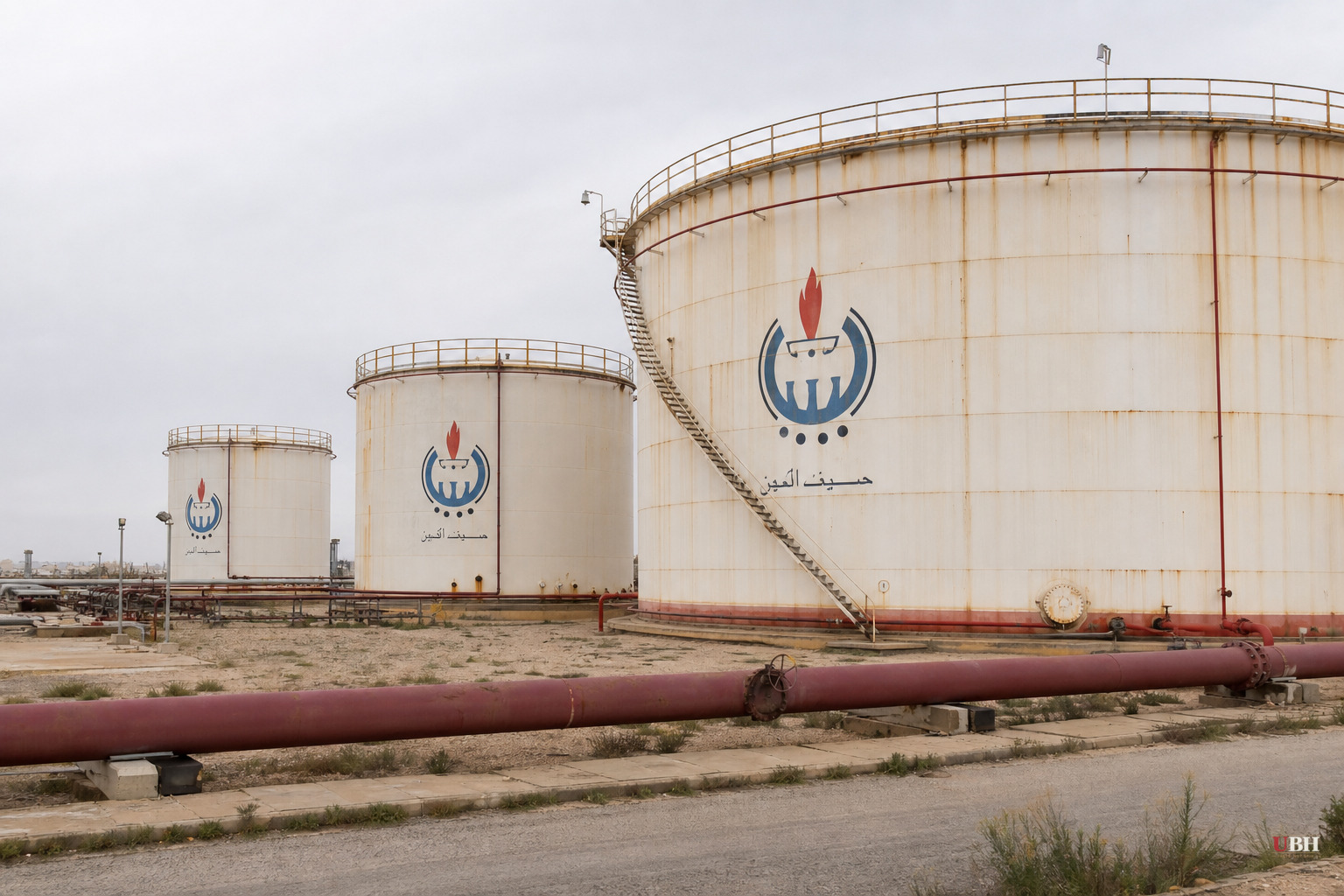
Libya's largest operating refinery has been hit by drones three times in three days, and the company running it doesn't know who's responsible.
The National Oil Corporation (NOC), Libya's state oil company, said early Tuesday that a drone struck an oil blending and filling plant at the Zawiya Oil Refining Company, landing near a main tank and pipeline network, according to Anadolu Agency. No casualties, no material damage this time. But it's the third such strike since Sunday.
The one before it was worse. On Monday evening, a drone hit tank 402-T at the Zawiya complex, a storage tank owned by Brega Oil Marketing Company holding roughly 4.5 million liters of gasoline, according to Mehr News and confirmed by NOC's own Facebook statement. The tank caught fire and later collapsed. Al Jazeera verified footage showing thick black smoke and huge flames over the site. Libya's Ambulance and Emergency Service said there were no serious injuries, just smoke inhalation.
NOC said that Monday's strike followed a hit on a water desalination plant at the refinery on Sunday, and one on a naphtha reservoir the day before that, on Saturday. Three strikes, three straight days, one refinery.
Where This Is Happening
Zawiya sits about 40 kilometers west of Tripoli. The refinery there has a capacity of 120,000 barrels a day and is Libya's biggest operating refinery, tied into the 300,000-barrel-a-day Sharara oilfield, according to Egypt Oil & Gas, which cited Reuters reporting. This isn't some minor outpost. It's core infrastructure for western Libya's fuel supply.
NOC declared a "maximum emergency" in the region after Monday's fire and is now warning it could go further: full force majeure, meaning a complete halt of refinery operations, if the drone attacks don't stop. The company put firefighting and safety teams on heightened alert and is calling for "urgent intervention by the relevant authorities," per Anadolu Agency's reporting. NOC has also urged authorities to launch an investigation and bring whoever's responsible to justice, according to Mehr News.
Nobody's Claimed It
No group has claimed responsibility, and Libyan authorities haven't named a suspect, according to Egypt Oil & Gas. Newsquawk's analysis flagged the same gap, noting that attribution is running through media reports rather than official statements, which keeps confidence in the details low.
This means the strikes could be local militias jockeying for leverage, one of Libya's two rival governments trying to squeeze the other, or an outside actor testing what it can get away with. Hamerintel's reporting on the Monday tank strike laid out the same uncertainty: attribution is "open between local militias, rival political factions, or external actors with drone capabilities." No one currently claiming otherwise has proof.
Why It Matters Beyond Libya
Libya has been split since the 2011 fall of Muammar Gaddafi between the UN-recognized Government of National Unity in Tripoli, led by Abdul Hamid Dbeibeh, and a rival administration based in Benghazi, currently headed by Osama Hammad, according to Anadolu Agency. The UN Support Mission in Libya has spent years trying to broker a political settlement and elections. That process hasn't produced results, and repeated attacks on oil infrastructure are exactly the kind of instability that keeps derailing it.
Oil markets are already paying attention. OilPrice.com reported crude climbing as the Zawiya situation developed, with WTI up over 2.7% and Brent up more than 2.5% in recent trading, though multiple factors are in play including fading hopes for a U.S.-Iran peace deal. Newsquawk's market-focused writeup made the technical point clearly: storage tank damage is usually repairable and temporary, but damage to processing units or loading infrastructure produces longer outages. So far, the hits have concentrated on tanks and reservoirs, not the refinery's core processing capacity. That distinction is the difference between a bad week and a genuine supply shock.
What Happens Next
If NOC follows through on a force majeure declaration, it would take Libya's largest operating refinery offline entirely, on top of whatever crude flow disruptions ripple out to the connected Sharara field. Libya has a long history of oil field blockades by armed groups and protesters causing sudden output swings, according to Egypt Oil & Gas, so the market has reason to take this warning seriously rather than as bureaucratic hedging.
The open question is simple and unresolved: who's flying these drones, and why now, three strikes in three days after months without this kind of pattern. Until Libyan authorities, an international investigator, or someone with actual evidence answers that, every explanation on offer is speculation.
Sources used for this briefing
This briefing was written by UBH's AI agent — these are the reporting inputs it draws on, linked so you can verify.


