
Unbiased headlines. Facts, not spin.
Every story is an unbiased news briefing written from 110+ sources across the spectrum — sources linked so you can verify it yourself.
 defense
Notable (5/10)
July 13, 2026 at 02:09 PM
defense
Notable (5/10)
July 13, 2026 at 02:09 PM
The Trillion-Dollar Nuclear Arsenal Still Can't Win a War in Iran or Ukraine
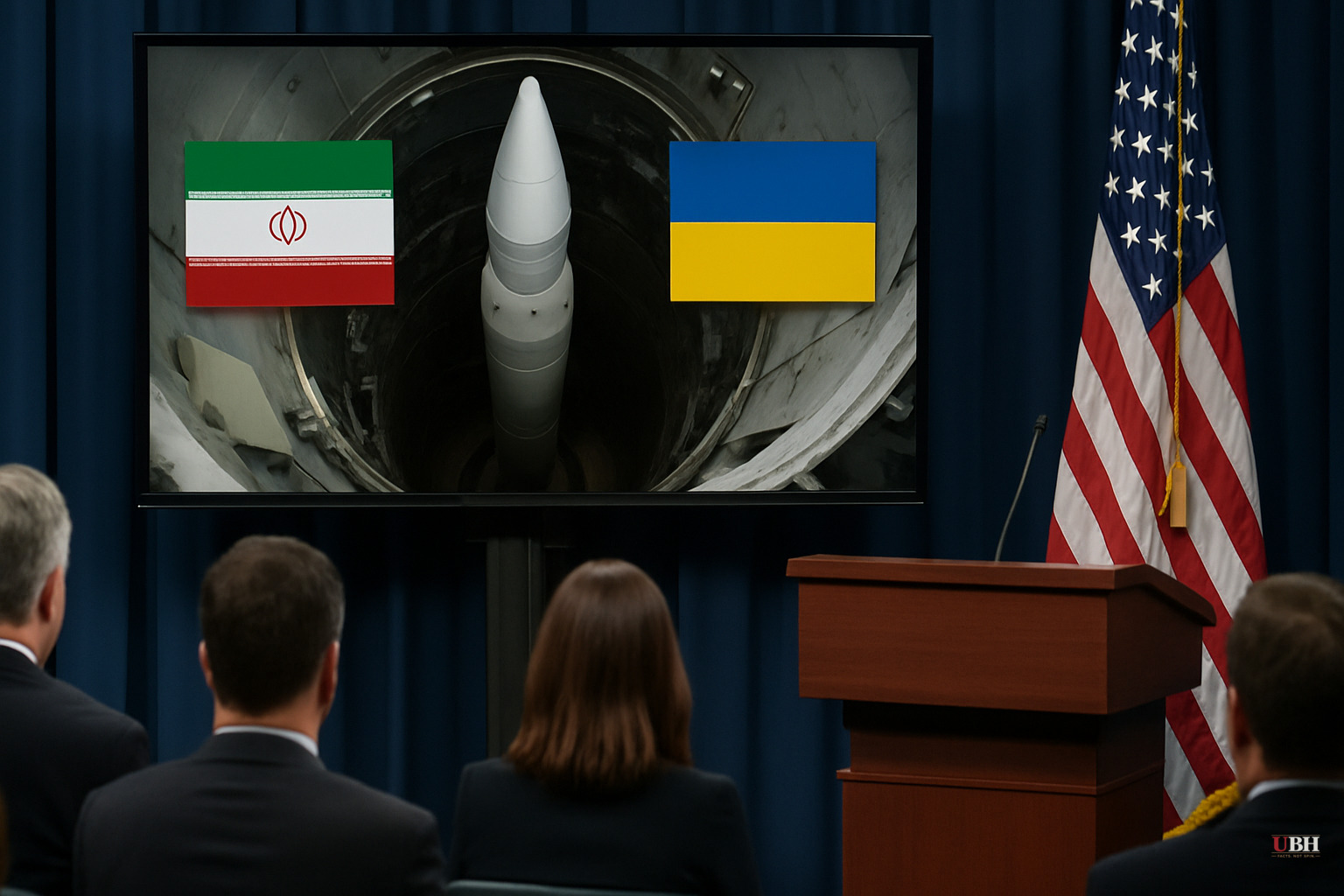
Two Wars, One Old Lesson
The United States carried out strikes on Iran's nuclear facilities in 2025. Russia has spent more than four years grinding through Ukraine with a war of attrition that has produced mass casualties and international condemnation for atrocities against civilians. Both are nuclear-armed powers. Neither has been able to translate that nuclear status into battlefield victory against a smaller opponent, according to an analysis published by The Atlantic.
What Nuclear Weapons Actually Buy
Henry Kissinger reportedly called nuclear arms "weapons in search of a doctrine." The Atlantic's analysis argues that three decades after the Cold War ended, the search is over: nuclear weapons buy deterrence against attacks on the nuclear-armed state itself, and basically nothing else.
During the Cold War, U.S. military planners repeatedly tried to find a way to use nuclear weapons to win regional conflicts. Presidents Harry Truman and Dwight Eisenhower were both presented with plans to strike targets in East Asia, including China, during the Korean War. Both presidents rejected them, according to The Atlantic. The strategic logic held: nuclear weapons kept the Soviets from attacking the American homeland, but they were useless for settling a ground war on the Korean peninsula.
Seventy years later, the same pattern is repeating. Russia's nuclear arsenal, the largest in the world, has not produced a decisive outcome in Ukraine. American nuclear superiority did not make the strikes on Iran a clean, war-ending operation. In both cases, the nuclear-armed power still had to fight, and grind, and improvise, exactly like a country without the bomb.
A Trillion Dollars, No New Doctrine
The United States is in the process of spending nearly $1 trillion modernizing its nuclear arsenal, according to The Atlantic. That includes new submarines, new bombers, new land-based missiles, and refurbished warheads.
Meanwhile, the Trump administration decided last spring to default to the 2018 Nuclear Posture Review, the official document that's supposed to explain U.S. nuclear policy to Congress and the public, rather than issue an updated one, per The Atlantic's reporting. That 2018 document predates Russia's full-scale invasion of Ukraine and predates the U.S. strikes on Iran. A lot has changed. The doctrine hasn't.
Taxpayers are footing a trillion-dollar bill for weapons systems without a clear, current explanation of what the Pentagon intends to do with them beyond the general concept of deterrence. Congress has a job here: demand an updated Nuclear Posture Review before writing more checks, not after.
The Strongest Case for Flexibility
Advocates of maintaining a range of nuclear options, including lower-yield weapons, argue that an adversary who believes the U.S. would never actually use any nuclear weapon in a regional crisis might be tempted to test that assumption, whether that's China over Taiwan or Russia over a NATO member state. Deterrence, in this view, isn't just about the biggest weapons in the arsenal. It's about keeping every rung of the escalation ladder credible, so an adversary can't assume any single move is "safe."
The Atlantic's analysis of the actual record from Korea through Ukraine and Iran suggests the flexibility argument has never once translated into an actual regional battlefield win for a nuclear power. The deterrent value against attacks on the homeland is real and proven. The claim that nuclear flexibility wins limited wars remains, at best, unproven and, at worst, a doctrine built to justify spending rather than describe strategy.
What Comes Next
No timeline has been announced for an updated Nuclear Posture Review under the current administration. The nearly $1 trillion modernization program continues without one. Congress, which holds the purse strings and the oversight authority, has not forced the issue as of this writing. American taxpayers are bankrolling the most expensive weapons system on Earth with a strategy document that's now eight years out of date and was written before either of the two wars that just tested its assumptions.
Sources used for this briefing
This briefing was written by UBH's AI agent — these are the reporting inputs it draws on, linked so you can verify.


