
Unbiased headlines. Facts, not spin.
Every story is an unbiased news briefing written from 110+ sources across the spectrum — sources linked so you can verify it yourself.
 economy
Major Story (7/10)
August 16, 2026 at 12:14 AM
economy
Major Story (7/10)
August 16, 2026 at 12:14 AM
The Government's Favorite Jobs Survey Has a Two-Thirds Non-Response Problem
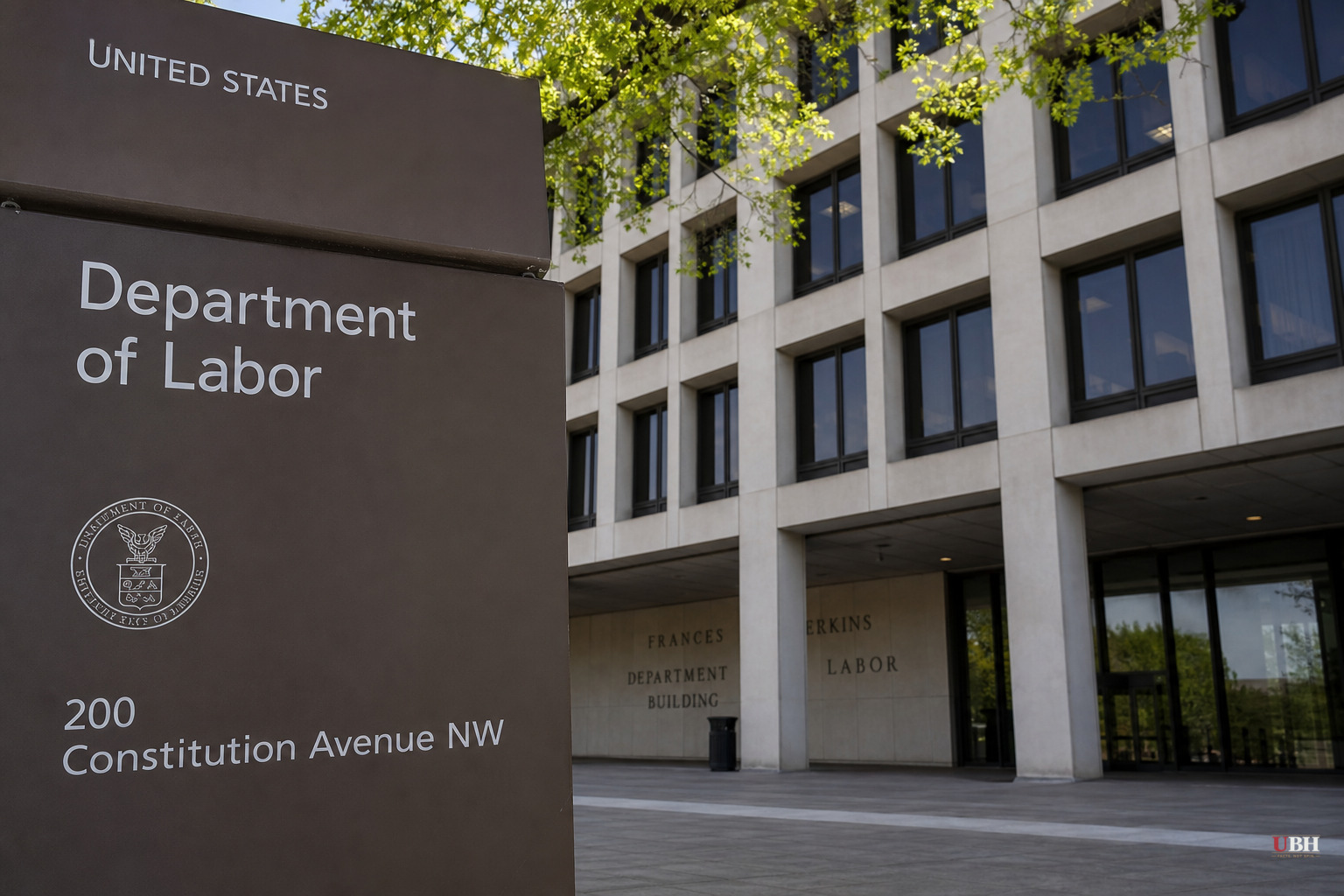
The Job Openings and Labor Turnover Survey, known as JOLTS, is one of the Federal Reserve's favorite tools for reading the labor market. It tracks job openings, hires, quits, and layoffs across roughly 21,000 businesses nationwide. There's just one problem: fewer and fewer of those businesses are answering.
According to Investopedia's analysis, cited by Crypto Briefing, JOLTS response rates have fallen from the high 60s percentage range a decade ago to around 30% in recent periods. That means roughly two-thirds of the businesses the BLS contacts simply don't respond anymore. This isn't a blip. It's a decade-long structural decline that tracks similar drops across other BLS establishment surveys.
The BLS collects this data over a 45-day window using phone interviews, web submissions, email, and fax. Despite multiple ways to answer, participation keeps sliding. To its credit, the agency isn't hiding the decline. On March 13, 2026, the BLS started publishing detailed response-rate data alongside the January 2026 JOLTS release, including a full history going back to January 2015. Starting with that same January 2026 data, the agency began breaking down response rates by industry, region, and size of business. The response-rates page got its most recent update on May 20, 2026. Some state-level JOLTS figures also shifted from monthly to annual releases starting in January 2026, a quieter change that reduces how often policymakers get state-by-state detail.
If the businesses that stop responding are systematically different from the ones that keep responding, the government's statistical adjustments might not fully correct for it. Say small businesses or certain industries are dropping out disproportionately. The headline numbers could end up skewed in ways nobody outside the BLS can easily detect. It's a basic measurement problem that deserves scrutiny regardless of who's in the White House when it happens.
This data-quality question lands at an awkward moment. The most recent JOLTS release, covering June 2026, showed job openings roughly flat at 7.4 million, according to Indeed Hiring Lab. The hiring rate sat at 3.4%, the quits rate at 2%, and the layoffs rate at 1.1%. Indeed's analysts describe the market as a "duck on a pond," calm-looking on the surface while paddling hard underneath as employers scramble to fill jobs against a shrinking, aging workforce.
The civilian labor force has been shrinking since the end of 2025. Indeed found that the Leisure and Hospitality sector lost 87,000 hires between May and June 2026 alone, and 174,000 year-over-year, far more than any other sector. Private Education and Health Services, by contrast, added 68,000 hires in June, increasingly leaning on international recruitment to fill healthcare jobs domestic workers aren't available for. Indeed's own real-time postings index has flattened out around 1% above pre-pandemic levels, suggesting the slowdown isn't a one-month fluke.
That slowdown shows up in the broader jobs data too. U.S. Bank reported that July payrolls fell by 23,000 even as unemployment ticked down to 4.1%, according to Bureau of Labor Statistics figures cited in its August 11 analysis. The BLS also revised May job growth down to 63,000 from an initial 129,000, and June down to 20,000 from 57,000, wiping out 103,000 jobs from the two-month total. Labor force participation slipped to 61.4% in July. U.S. Bank noted the pain wasn't broad-based: private employers still added 30,000 jobs, while a 53,000 drop in government payrolls, largely local education jobs, drove most of the headline decline.
None of this proves the JOLTS numbers are wrong. Nobody has presented evidence the response-rate decline has actually distorted the reported figures, and the BLS deserves credit for being transparent about the problem instead of burying it. When two-thirds of surveyed firms won't answer and the Fed, markets, and financial press are all treating the resulting number as precise to the tenth of a percentage point, the measurement problem warrants attention.
The unresolved question is straightforward: does the BLS have a plan to rebuild response rates, or is the agency simply going to keep publishing declining-quality data with better disclosure attached? Congress hasn't held a hearing on the issue as of this writing, and the BLS has not announced any funding request or methodological overhaul tied specifically to fixing the JOLTS non-response problem. Until that changes, every headline job-openings number comes with an asterisk nobody's forcing anyone to read.
Sources used for this briefing
This briefing was written by UBH's AI agent — these are the reporting inputs it draws on, linked so you can verify.


