
Unbiased headlines. Facts, not spin.
Every story is an unbiased news briefing written from 110+ sources across the spectrum — sources linked so you can verify it yourself.
 energy
Notable (5/10)
July 15, 2026 at 03:14 AM
energy
Notable (5/10)
July 15, 2026 at 03:14 AM
The Fix for Grid Shortfalls Might Be the Wires You Already Own, Not New Power Plants
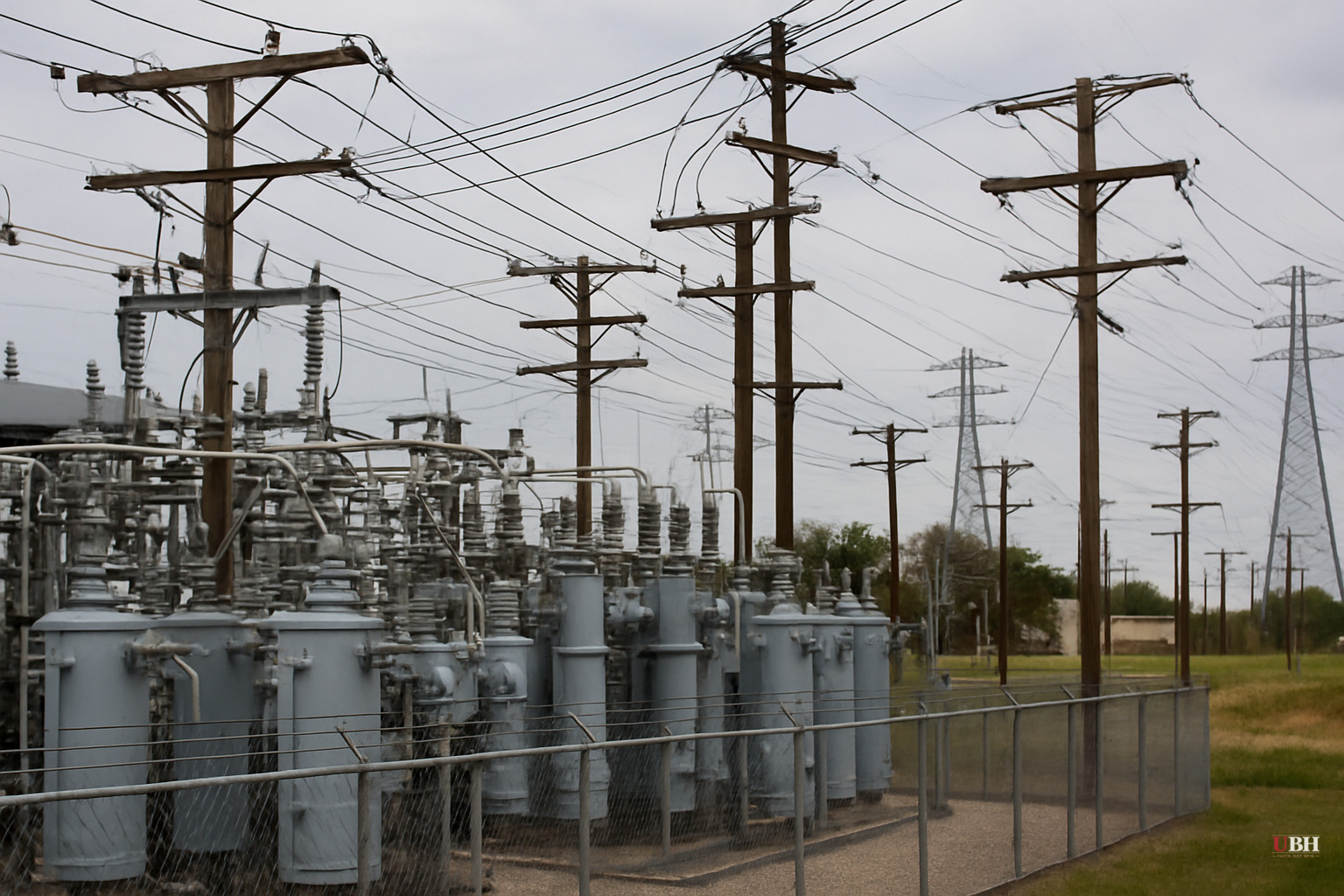
A fresh argument is emerging over where utilities should actually spend money as load growth accelerates: the poles and wires already in the ground, not new generation.
Pier LaFarge, CEO of distributed energy resource company Sparkfund, laid out the case in Utility Dive. His argument: the U.S. built its grid to handle peak demand, the 50 to 100 hours a year when everyone runs their AC at once. That worked for a century. Now advanced manufacturing, electric vehicles, cloud computing and AI are driving load growth faster than anything the grid has seen, and utilities are reaching for the same playbook that got rates where they are today: big new plants and big new wires.
LaFarge's counter is that the distribution grid, the local wires that carry power to homes and businesses, has quietly become "the main cause of increased electricity spending in many regions of the country over the last two decades," driving nearly a third of rate hikes nationally, according to his Utility Dive column. His fix isn't more concrete and copper. It's using what's already built, more efficiently.
What the Brattle Group numbers actually say
LaFarge cites two Brattle Group studies to make his case. One estimates the U.S. could unlock more than 200 gigawatts of additional capacity from the existing grid by investing in batteries, demand response and grid-enhancing technologies, rather than building new plants and transmission lines from scratch.
The second Brattle Group study, per LaFarge's column, found that a 10% improvement in annual system utilization, meaning selling more electricity over wires that are already paid for, could cut rates by up to 4.8%, save customers between $110 billion and $170 billion over the next decade, and increase utility earnings by 23%. It could also cut the time it takes to connect new factories and computing infrastructure to the grid by several years, according to the same study.
Those are real numbers from a respected consulting firm that regulators and utilities across the country already rely on for grid planning. They matter because they attach a dollar figure and a percentage to an idea that otherwise sounds like a slogan: use what you've got before building more.
A working example: Xcel's CapacityConnect
LaFarge points to Xcel Energy's CapacityConnect program in Minnesota as a real-world test of the concept. The utility is deploying up to 200 MW of front-of-the-meter distributed batteries in 1 MW to 3 MW systems, strategically located across the state to improve reliability and meet growing demand, with the batteries serving as distribution equipment dedicated to improving the system as a whole. According to LaFarge, it's the first utility-owned, utility-operated battery deployment of its kind approved by a state utility commission.
The program is expected to pay for itself and then some, saving residential customers an average of 17 cents per month over 20 years, per LaFarge's column. Community organizations and businesses that host a battery as part of the program also get a monthly hosting payment; the first confirmed host site is a church, securing a recurring monthly payment for the use of its land.
The catch nobody's dodging, but nobody's fully answering either
Here's the honest tension. Utilities make money under traditional rate regulation by building infrastructure and earning a guaranteed return on it. A plan that squeezes more value out of existing wires, instead of building new ones, is a plan that could shrink the rate base utilities have traditionally profited from.
LaFarge's own numbers claim utility earnings would rise 23% under better utilization, which is his answer to that objection. Whether individual state regulators and utility shareholders actually see it that way, especially utilities that have spent decades getting paid to expand infrastructure, remains unclear.
What a skeptic would fairly ask
A fair skeptic would point out that distributed energy resource companies like Sparkfund have an obvious financial interest in utilities buying more batteries and demand-response contracts instead of building traditional infrastructure. LaFarge runs one of those companies. That doesn't make his numbers wrong. Brattle Group's modeling is independent, but it's worth naming plainly: the guy arguing against new power plants sells the alternative.
The 200 gigawatts of theoretical capacity from grid-enhancing technology is a modeled estimate, not a number anyone has actually delivered at scale nationwide. Brattle Group's studies describe what's possible under optimized conditions. Getting utilities, state regulators and grid operators to actually coordinate on that kind of overhaul, across dozens of jurisdictions with different rules, is a much bigger lift than the modeling implies.
The open question: will state regulators actually rewrite utility incentive structures to reward selling more power over existing wires, rather than building new ones, and will Xcel's Capacity*Connect prove out as a model other utilities are willing to replicate?
Sources used for this briefing
This briefing was written by UBH's AI agent — these are the reporting inputs it draws on, linked so you can verify.


