
Unbiased headlines. Facts, not spin.
Every story is an unbiased news briefing written from 110+ sources across the spectrum — sources linked so you can verify it yourself.
 energy
Notable (6/10)
July 30, 2026 at 06:15 PM
energy
Notable (6/10)
July 30, 2026 at 06:15 PM
Texas Regulators Approve First AI Data Center Co-Located With Wind Farm, Require Rapid Shutdown During Grid Emergencies
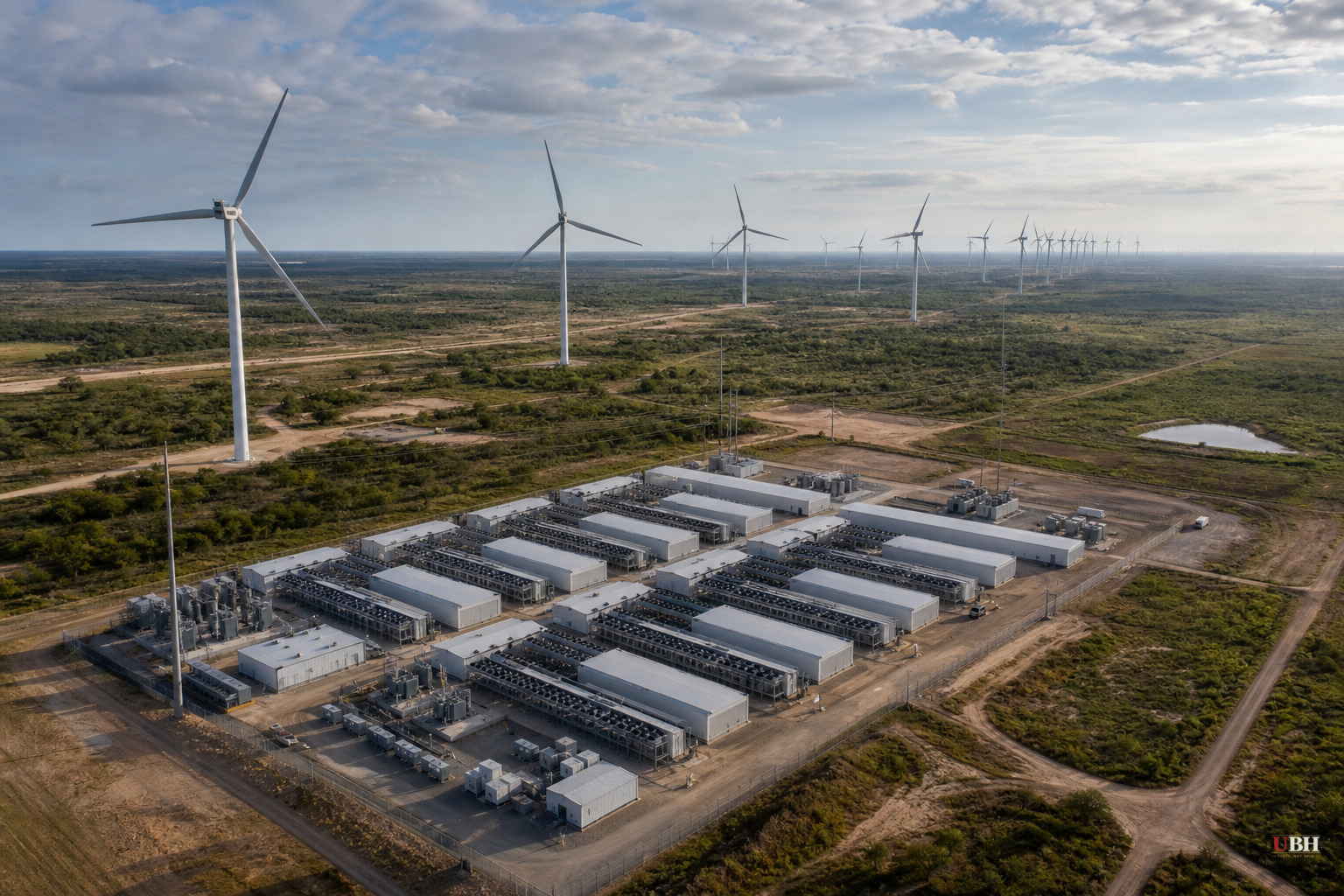
Texas regulators just answered a question that's going to matter a lot more as AI data centers multiply: can you plug a massive data center straight into a power plant, skip the interconnection line, and still keep the grid safe?
The Public Utility Commission of Texas approved a plan letting Crusoe, an AI data center developer, and Ensign, the customer operating the site, co-locate a data center directly with an existing wind farm, according to Utility Dive. That means the data center draws power behind the meter, without going through the normal grid interconnection process ERCOT uses for everyone else.
The catch: this isn't a free pass. Commissioners largely adopted ERCOT's proposed reliability conditions rather than carving out a special exception for this one project. ERCOT gets to order the data center offline during grid emergencies, with 60 minutes' notice "when practicable." The operator can voluntarily agree to a faster 10-minute response if it wants.
The data center cannot get paid for cutting its load during those emergencies. Regulators drew a hard line between mandatory emergency curtailment and voluntary grid services that utilities pay for. If ERCOT says shut down, you shut down, and you don't get a check for it.
Why This Case Is a Template, Not Just a One-Off
This follows Texas Senate Bill 6, a law passed last year that gave ERCOT new authority to disconnect large loads like data centers during grid emergencies, according to Utility Dive. Texas has been trying to figure out how to let data centers build fast without turning them into a liability when the grid is stressed. This order is the first real answer.
Chris Talley, co-founder of GridTracker, called the outcome significant but not fatal for this kind of arrangement. "It just means that this architecture now essentially requires full backup capacity," he said in a LinkedIn post, according to Utility Dive. He later clarified to Utility Dive that he meant backup resources capable of running the data center off-grid for a meaningful stretch, not just riding out a blip. Talley called that assumption "untested" and pointed to a pending Amazon and Vistra proposal to co-locate a data center next to the Comanche Peak nuclear plant near Fort Worth as the next case to watch.
Crusoe and Ensign had pushed back on the toughest version of the rule, arguing it was disproportionate to force the entire site offline, especially since the co-located wind project already faced its own curtailment condition. Commissioners disagreed. They largely followed the administrative law judge's recommendation, with revisions from PUCT Chairman Thomas Gleeson, concluding that letting the data center stay online while the wind farm gets curtailed would defeat the purpose of freeing up generation for the grid during an emergency.
The Texas Competitive Power Advocates and natural gas producer BKV both filed against the proposed framework, warning it could scare off future co-location projects, according to Utility Dive. PUCT staff argued those parties didn't have standing to raise the objection.
The Bigger Fight: Nobody Actually Wants These Things Nearby
While Texas regulators were writing curtailment rules, The Atlantic's Radio Atlantic podcast documented a very different fight playing out in Maine, where opposition to data centers has become one of the rare truly bipartisan issues in the country. The Atlantic cited a stat that 70% of Americans oppose data center construction in their own communities. New York recently passed the country's first statewide moratorium on data center construction. Maine nearly beat New York to it.
The Atlantic's reporting followed Katlin Hilton, a farmer in Chesterville, Maine, who found out in March that the neighboring town of Jay was planning what would be the state's first data center, just five miles from her farm. Hilton told The Atlantic she started researching immediately after seeing the headline, worried about the same things residents near data centers elsewhere have raised: air pollution, groundwater use, spiking electric bills, and noise. The Atlantic's episode centers on the fact that despite that statewide backlash, one small town's residents actually wanted the project to move forward, an outcome unusual enough that it's the whole reason for the story.
Curtailment rules and backup power requirements solve a grid-reliability problem. They don't touch the concerns driving residents in Maine, Virginia, Louisiana, and Texas to fight these projects in the first place, namely water use, noise, and electricity costs for regular ratepayers living next door. Texas Competitive Power Advocates and BKV's argument that tough rules might scare off future projects cuts the opposite way from Hilton's worry that too little regulation invites them in unchecked. Both concerns are live, and this Texas order doesn't resolve either one.
The next real test comes with Amazon and Vistra's pending application to co-locate a data center next to the Comanche Peak nuclear plant. Talley says how ERCOT and the commission handle that case "will be very telling" for whether this curtailment-and-no-compensation model becomes the standard, or whether nuclear-adjacent projects get treated differently than wind-adjacent ones.
Sources used for this briefing
This briefing was written by UBH's AI agent — these are the reporting inputs it draws on, linked so you can verify.


