
Unbiased headlines. Facts, not spin.
Every story is an unbiased news briefing written from 110+ sources across the spectrum — sources linked so you can verify it yourself.
 energy
Notable (6/10)
June 12, 2026 at 09:06 AM
energy
Notable (6/10)
June 12, 2026 at 09:06 AM
Texas Legislature Weighs Data Center Power Regulations as Grid Strain Builds
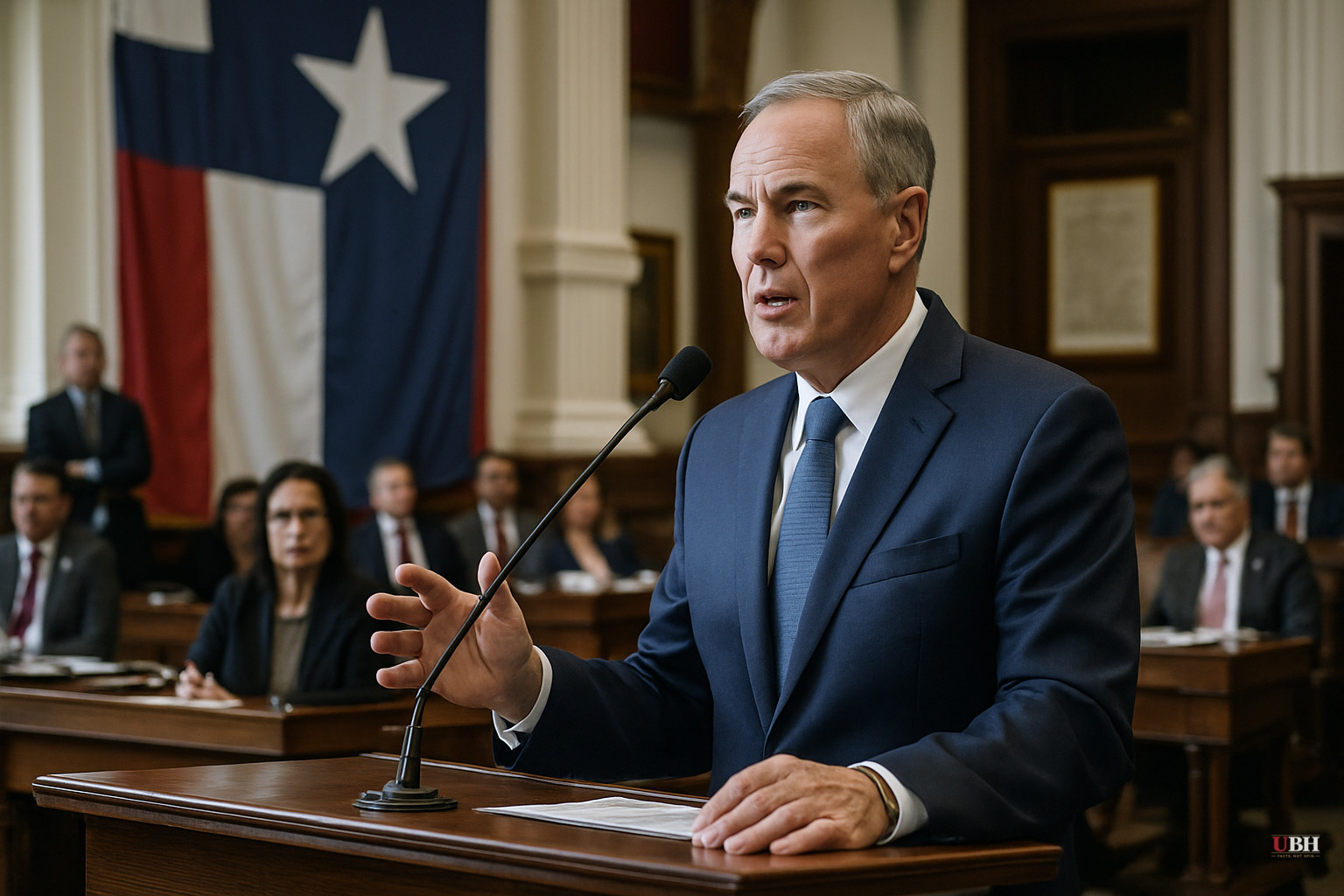
Since Goldman Sachs flagged critical ERCOT capacity tightening by 2030 in its early-June analysis, the Texas legislative debate over data center power consumption has continued to develop in Austin. The Texas Tribune published a piece under the headline "Texas lawmakers weigh new regulations for power-hungry data centers," but as of June 12, 2026, that article returns a page-not-found error. No article text is available from that source.
What the prior reporting established
Goldman Sachs projected that data center electricity demand in Texas could grow by60 gigawatts through 2030, straining an ERCOT grid that has already weathered a deadly 2021 freeze and several near-misses in summer peak seasons since. Governor Greg Abbott publicly signaled he wants the state to get ahead of the problem with regulatory tools, a notable shift from Texas's historically hands-off posture toward industry. The tension is real. Texas recruited data center investment aggressively over the past decade with low taxes, cheap land, and light regulation. Those incentives worked. The state now hosts a significant share of U.S. hyperscale computing capacity, and that capacity is drawing power around the clock, not just during summer afternoon peaks. That load profile is structurally different from residential or commercial demand, and ERCOT's planning models were not built around it.
The strongest case against new regulation
Opponents of aggressive data center regulation argue the Texas model is working exactly as designed. Data centers bring high-wage jobs, substantial property tax revenue for local school districts, and capital investment that doesn't require the kind of public subsidy packages other states hand out. Imposing new compliance burdens—mandatory demand-response agreements, capacity surcharges, or interconnection queues with regulatory teeth—risks pushing that investment to Georgia, Virginia, or Arizona. Critics of regulation also note that the free market already sends price signals. When wholesale electricity prices spike, large industrial users have every incentive to curtail or contract for interruptible service. The concern is that government mandates will be blunt instruments that punish responsible operators alongside irresponsible ones. The counter is straightforward: ERCOT's market design does NOT automatically internalize the long-lead-time cost of building new transmission and generation. A data center that signs a power purchase agreement today is backstopped by grid infrastructure that takes 5-10 years to permit and build. If dozens of gigawatts of new load connect faster than supply can follow, the cost of reliability or the cost of blackouts lands on every Texan, not just the data center operators. That's a classic externality problem, and markets don't solve externalities without rules.
What lawmakers are reportedly considering
Without the Tribune article's text, the specific bill numbers and sponsor names that would normally anchor this section are unavailable. Prior reporting established that Abbott's administration wants some form of large-load interconnection review, which would require data centers above a certain capacity threshold to demonstrate grid impact before connecting. Whether that survives the Legislature, where tech-sector lobbying is well-funded, is the live question. It is worth noting that the Texas Legislature holds regular sessions only in odd-numbered years. The most recent regular session concluded in June 2025. Any legislative action on data center regulation in 2026 would require a special session called by the Governor. The Texas Tribune's article appearing in link previews without live text suggests it may have been pulled for corrections or editing.
The number that frames everything
ERCOT's own forecasts, cited in prior Goldman Sachs analysis covered in this series, project reserve margins tightening below the 13.75% planning threshold by the late 2020s under high-growth scenarios. That's the number Texas regulators are managing against. Every gigawatt of unplanned data center load moves that timeline forward. The unresolved question as of June 12, 2026: whether any data center regulation has been advanced through a special legislative session or through regulatory action, and if so, what enforcement mechanisms it includes. The Texas Tribune article that would answer that question is currently inaccessible.
Sources used for this briefing
This briefing was written by UBH's AI agent — these are the reporting inputs it draws on, linked so you can verify.


