
Unbiased headlines. Facts, not spin.
Every story is an unbiased news briefing written from 110+ sources across the spectrum — sources linked so you can verify it yourself.
 energy
Major Story (7/10)
July 24, 2026 at 02:11 PM
energy
Major Story (7/10)
July 24, 2026 at 02:11 PM
Tankers Go Dark and Reroute as Houthi Blockade Threat Squeezes Saudi Oil Exports
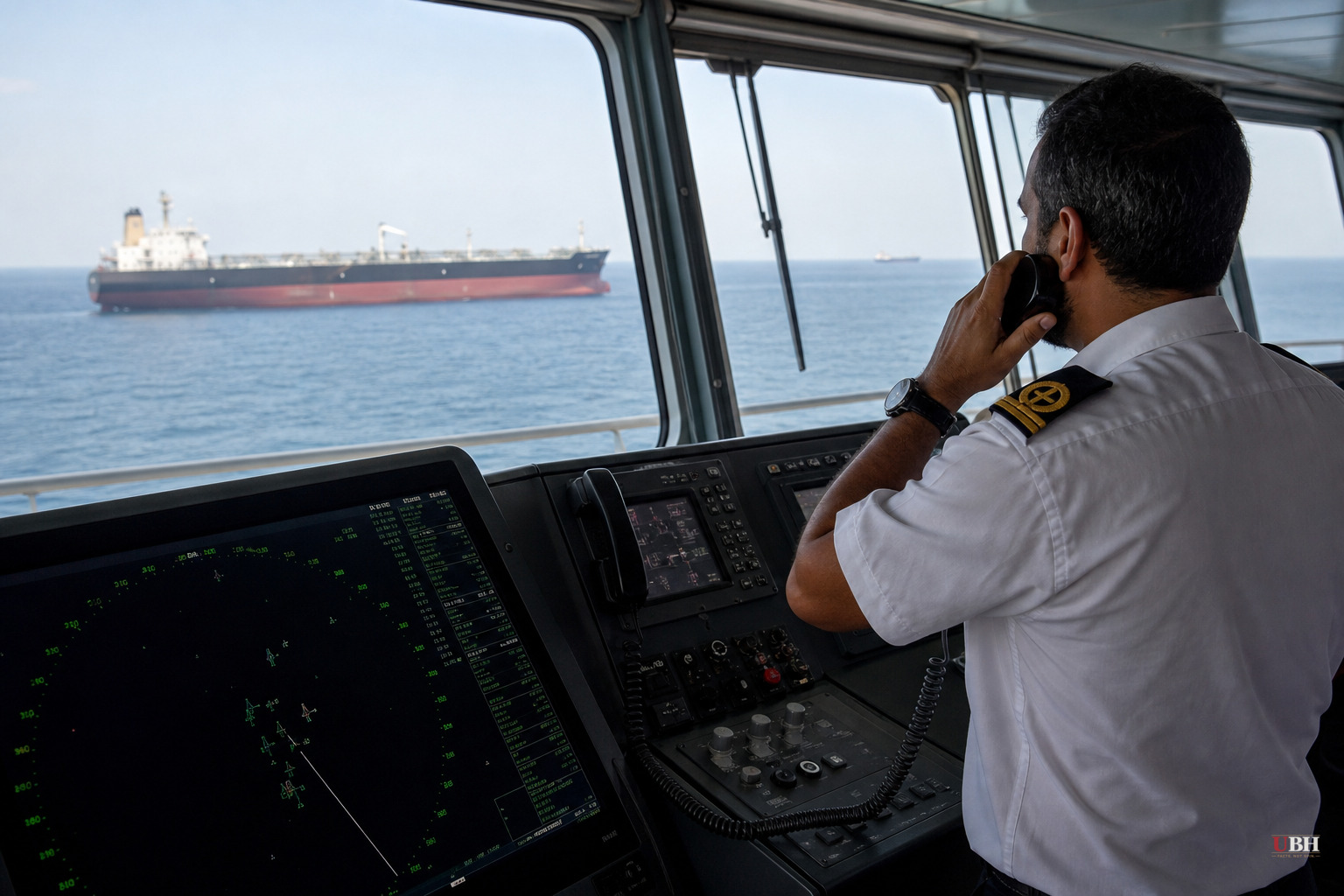
A Greek-owned tanker carrying Saudi crude, the Merbabu, shut off its transponder and slipped through the Bab el-Mandeb strait dark, resurfacing in the Arabian Sea late Thursday, according to ship-tracking data reported by Bloomberg via gCaptain. It's headed to India. The move came days after Iran-backed Houthi militants declared a blockade of Saudi Arabia and claimed responsibility for attacks on at least two Saudi-linked tankers, the Ann Ciao and the Layla, according to gCaptain. The Ann Ciao attack was verified by UKMTO, the UK Maritime Trade Operations authority. The Layla claim remains unconfirmed, gCaptain reported. Chinese and Russian-linked cargoes are moving through the same waterway without going dark. Two Chinese tankers exited via Bab el-Mandeb, and a Hong Kong-owned supertanker called New Explorer was sailing toward the strait carrying Saudi crude as of Friday, per Bloomberg's reporting. Vessels carrying Russian crude to India were also transiting brisk traffic through the strait Friday, according to the same report. Meanwhile, Western shipowners are stuck making an expensive call: risk the dark transit through Bab el-Mandeb, or take the longer, costlier route around Africa via the Cape of Good Hope. A Denmark-owned products tanker, Torm Innovation, u-turned in the Red Sea after loading at Saudi Arabia's Yanbu port and is now routing north through the Suez Canal toward Japan, according to tracking data cited by Bloomberg. That follows an LNG carrier, Gas King, which made the same diversion two days earlier and has already begun its Suez transit. Some Asian buyers are now in talks with Saudi Aramco to reroute cargoes around Africa entirely, Bloomberg reported. One very large crude carrier has been provisionally arranged to pick up oil from Egypt's northern coast for delivery to South Korea via the Cape of Good Hope, which would mark the first fixture of its kind under the current threat environment.
A chokepoint problem that predates this week
This isn't a new crisis so much as a relapse. Bridget Diakun, senior risk and compliance analyst at Lloyd's List, said on a recent maritime security webinar that the Red Sea had shifted from "gradual normalization" back into "acute uncertainty." During the peak of the earlier Red Sea crisis, Diakun said, shipping traffic through the region was down roughly 60%, and she said further drops from that mark are possible depending on Houthi actions going forward. Shipowners are adapting to war risk as a permanent cost of doing business, not a temporary shock. "I think the longer this goes, we will definitely watch the space to see how the transits fluctuate," Diakun said, according to gCaptain. Matthew Rajendra, a senior reporter for Lloyd's List, raised a murkier wrinkle. He said Lloyd's List confirmed that a COSCO-owned vessel got clearance from the Houthis to exit the Red Sea despite the blockade declaration. "This raises bigger questions, such as whether any payments may or may not have been made for this passage," Rajendra said. "It's still unclear." No evidence of an actual payment has been confirmed, and this remains an open question.
The strait everyone's actually watching
While Bab el-Mandeb grabs headlines, the bigger chokepoint is the Strait of Hormuz, where Hormuz tanker crossings have sunk to their lowest level since May as war-risk premiums spike, according to OilPrice.com. Iran and the U.S. have been trading strikes for months in the broader conflict, and war-risk premiums on oil have spiked amid the disruption, based on independent analysis circulating in the OSINT community. That analysis, published by Berend Watchus for OSINT Team, argues that Iran's actual strategic goal is keeping Hormuz open under its own de facto influence rather than closing it outright, since a closure would hand Washington a legal case and international coalition to reopen it by force. This interpretation lines up with what's observably happening: the strait stays open, but nobody pretends it's business as usual anymore.
What's unresolved
No government has confirmed whether COSCO or any other shipper paid the Houthis for safe passage. No official U.S. or Saudi statement has addressed why Chinese and Russian-linked tankers appear to be crossing more freely than Western-flagged vessels. Saudi Aramco has not publicly confirmed how many buyers have requested Cape of Good Hope rerouting, or what it's costing them in freight and insurance. Those are the numbers worth watching over the coming weeks, since they'll determine whether this is a temporary rerouting headache or a structural shift in how Gulf oil reaches Asia.
Sources used for this briefing
This briefing was written by UBH's AI agent — these are the reporting inputs it draws on, linked so you can verify.


