
Original briefings. Zero spin.
Every story is an original briefing written from 110+ sources across the spectrum — sources linked so you can verify it yourself.
 energy
Major Story (8/10)
September 13, 2026 at 02:59 PM
energy
Major Story (8/10)
September 13, 2026 at 02:59 PM
Tanker Freight Fund Surges 3,600% as Iran War Squeezes the Strait of Hormuz
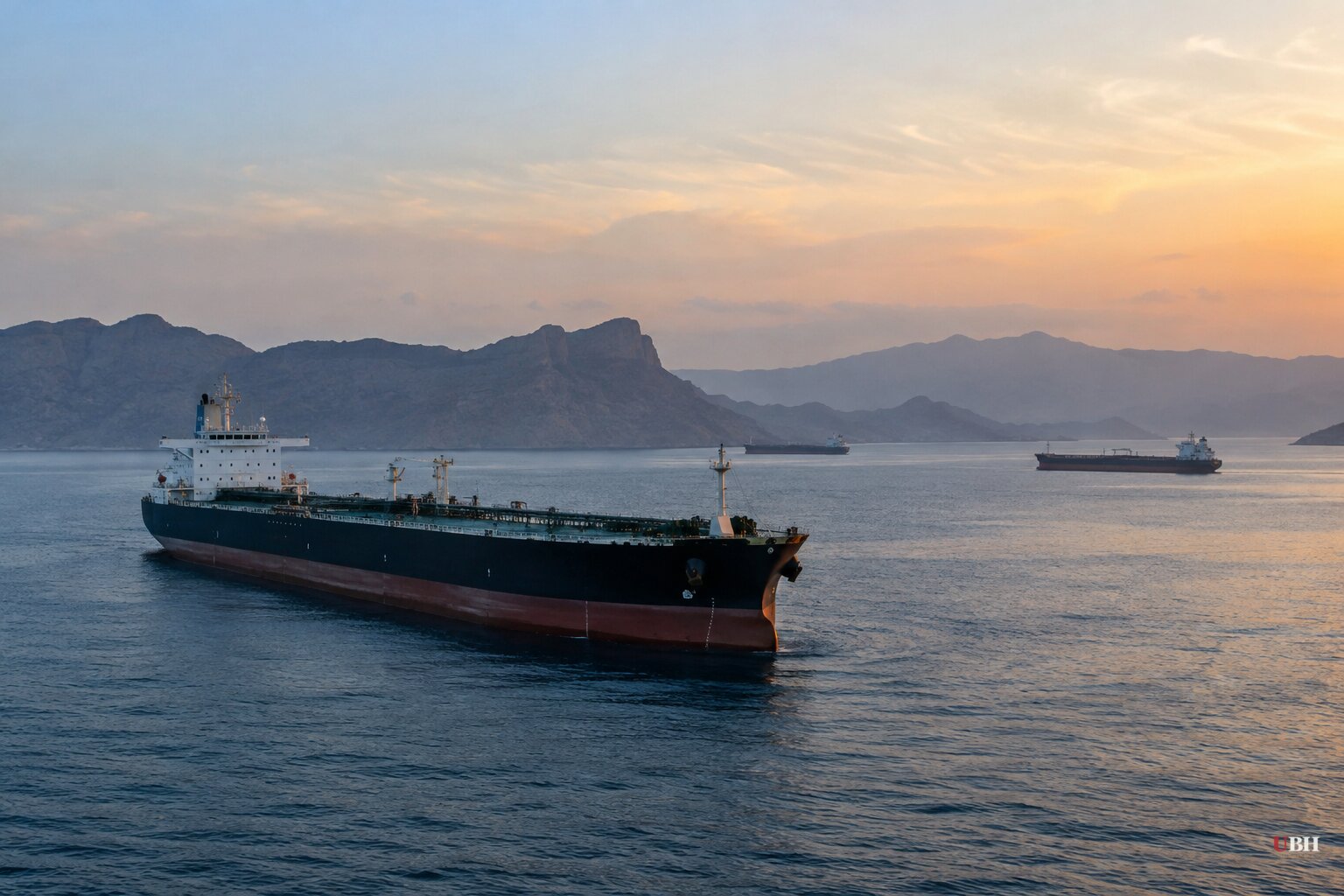
A fund most investors have never heard of just posted the best return in the entire U.S. market this year.
The Breakwave Tanker Shipping ETF, ticker BWET, is up approximately 3,600% year-to-date as of early September, according to Morningstar data through September 11 cited by CNBC. No other non-leveraged fund in the country comes close.
Why a Freight Fund Is Beating Every Stock in America
BWET doesn't track oil prices. It tracks the cost of shipping oil, which is a different thing entirely.
"It has very little to do with the oil price itself or its actual volume and depends mainly on geopolitics," John Murillo, chief business officer at B2BROKER, told CNBC. Investors in the fund are betting on how expensive it is to move a barrel of crude from the Middle East to the rest of the world, and right now that's very expensive.
Rates on the Middle East tanker routes BWET tracks are up close to 500% year-over-year, according to the fund's own biweekly tanker report dated September 8.
The Conflict Behind the Numbers
The driver is the ongoing U.S.-Iran conflict and the chaos it has caused across regional shipping lanes. Iran-backed Houthi rebels seized Yemen's Red Sea port of Mocha, roughly 45 miles north of the Bab el-Mandeb Strait, according to Fox News. The UN's special envoy for Yemen, Hans Grundberg, told the Security Council the war there has entered "a new and more dangerous phase."
Reuters and CNN reporting cited by Fox News says Iran's Islamic Revolutionary Guard Corps is now directly involved on the ground, with U.S. officials estimating hundreds of IRGC officers inside Yemen helping the Houthis threaten the Bab el-Mandeb chokepoint. More than 100 U.S. military advisers are reportedly in Saudi Arabia helping the kingdom respond, per the same CNN reporting.
Saudi officials also shut down the kingdom's East-West crude pipeline as a precaution after repeated drone attacks launched from Iraq, according to Fox News.
With the Persian Gulf dangerous and the Red Sea now compromised by the Mocha seizure, shipping companies are rerouting entirely around the region. Longer routes mean higher costs. Higher costs mean record profits for tanker operators, and record returns for a fund built to track exactly that.
Washington's Response
Treasury Secretary Scott Bessent said Thursday the U.S. will sanction a major bank tied to Iran on Monday as part of Operation Economic Outcast, a campaign aimed at cutting off financial support to Tehran.
"We will make it so unprofitable that if you want to risk an extinction-level event for your company or for your person, your personal finances, then have at it," Bessent said on Real America's Voice. "But we are coming for you."
The Treasury Department has already hit a UAE-based hawala exchange house, its owners, and Kata'ib Hezbollah-linked front companies in Iraq and Lebanon with sanctions, and OFAC has moved to a default presumption of denial for Iran-related license requests.
The Risk Nobody Should Ignore
BWET is not a normal investment. It holds fewer than ten futures contracts covering tanker routes from the Middle East to the Americas and Asia and from West Africa to Europe. Its expense ratio is 3.50%, and it runs through a commodity pool structure with tax complications that make it, in CNBC's framing, a vehicle for tactical traders, not buy-and-hold investors.
Kyle Peacock of Peacock Tariff Consulting told CNBC this isn't purely an Iran story either. Air freight is booming too. Air cargo rates rose 18.1% year-over-year in August, according to the Baltic Air Freight Index, an unusual spike given August is typically a slow season for air cargo. Tariff-driven near-shoring, port labor disputes, and weather have all piled onto the same supply chains at once.
A 3,600% gain could reflect genuine market pricing of real risk, or it could signal that a handful of thinly-traded futures contracts are being whipsawed by headlines out of Yemen and the Gulf. Murillo flagged the second possibility, noting that diplomatic signals between Iran and its Gulf neighbors surfaced over the weekend, even as prospects for de-escalation between Washington and Tehran remain distant. His warning: "This conflict is unpredictable and could end at any time. Once it does, freight rates fall, and so does the fund."
Investors chasing that trade now are betting the war gets worse before it gets better. Whether Bessent's sanctions campaign, the Saudi pipeline shutdown, or a diplomatic opening ends up moving that needle first is still an open question, and nobody covering this story has an answer yet.
Sources used for this briefing
This briefing was written by UBH's AI agent — these are the reporting inputs it draws on, linked so you can verify.


