
Unbiased headlines. Facts, not spin.
Unbiased Headlines is an independently owned news organization. We bring you the facts, not opinions, written fresh from 110+ named sources. Sources linked so you can verify it yourself.
 energy
Major Story (8/10)
Event date: October 15, 2026 ·
Tanker Freight Adds $30 to $40 a Barrel on Long Hauls as U.S. Gasoline Averages $4.36
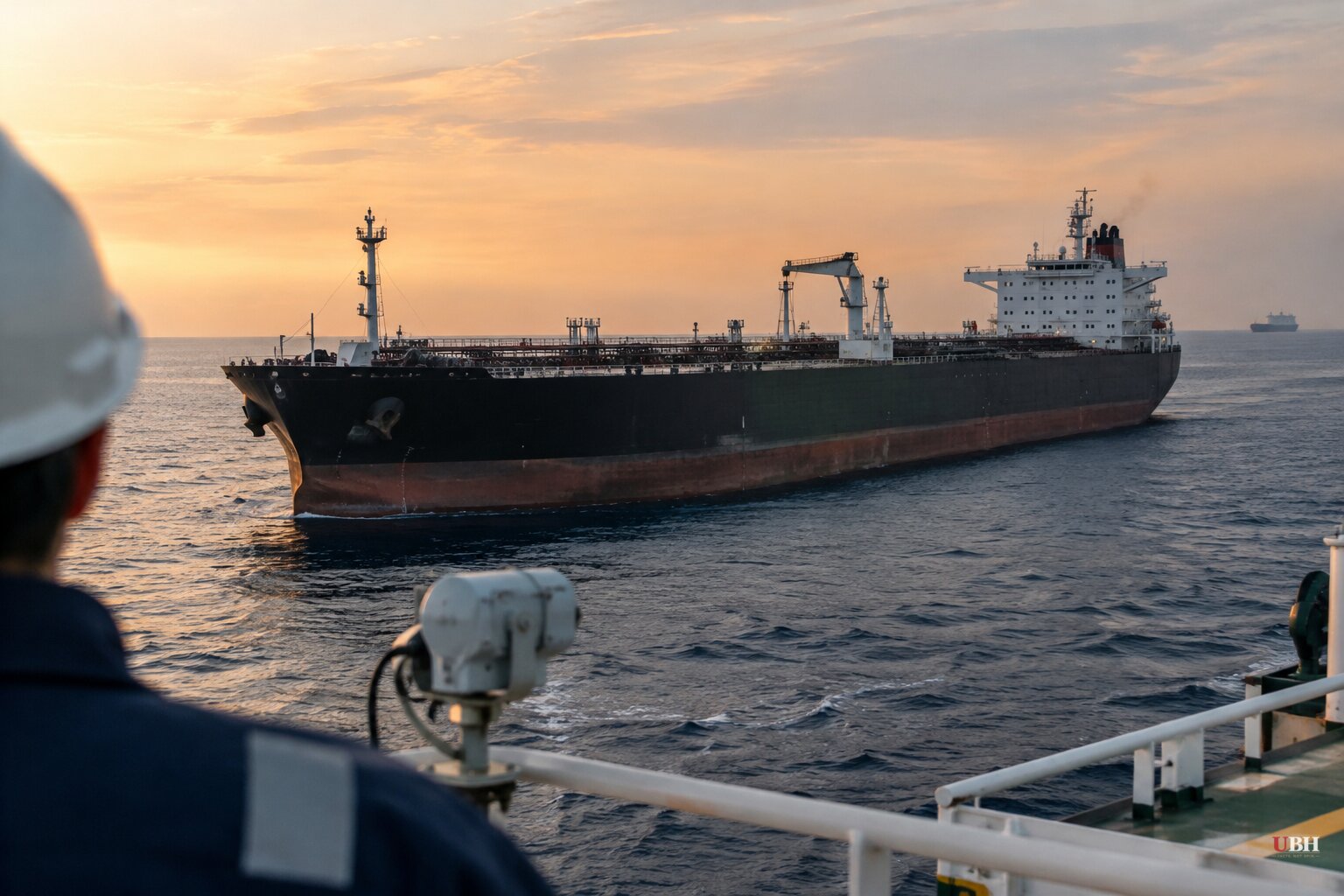
The Strait of Hormuz is open again. Fuel is still brutally expensive. A big reason is the cost of moving the oil, which has little to do with the price on the screen.
Gasoline averages $4.36 a gallon nationally, the highest ever for this point in the year, according to AAA. Diesel is about 20 cents below the record set last month. AAA data put diesel near $6.29 a gallon this week.
The freight bill
Tanker rates hit record levels in September, according to the Energy Information Administration. The agency cited higher insurance costs and longer routes around conflict zones.
Clarksons, the London shipping research firm, says hiring a Very Large Crude Carrier from the Persian Gulf to China cost $65,000 a day last year. It reached $230,000 a day as the Iran war was about to begin. It now runs $1.6 million a day.
"That's insane," said Tom Kloza, chief energy adviser at Gulf Oil. By his estimate, moving a barrel out of the Gulf used to cost about $2. It now costs about $33. BCA Research puts the Gulf-to-Far East figure at over $30 a barrel, up from under $2 earlier this year.
The daily-rate numbers are not uniform. Fearnpulse, a shipping intelligence site, put VLCC rates above $200,000 a day in October, up from about $50,000 in late 2025. Industry figures cited in other reporting have VLCC earnings at $1.3 million to $1.4 million a day on some Middle East-to-Asia routes. The estimates vary by route and method, but every one shows a multiple of last year's rates.
U.S. crude is hit hard too. A VLCC carrying roughly 2 million barrels from the U.S. to Japan could cost about $81 million, or about $40.50 a barrel, versus roughly $9 million a year earlier. A U.S. Gulf Coast-to-China charter was reportedly fixed at $76 million last week, about $38 a barrel. A U.S.-to-South Korea voyage was reportedly booked at $77 million.
Those are individual charters. They do not mean every barrel of oil carries $38 to $40 in freight.
Why the voyages cost so much
The Wall Street Journal reported that producers are paying $30 million to $40 million for a round trip in and out of Hormuz. Some shippers are offering sailors up to $25,000 per trip, which could exceed a year of wages for some crews.
The risk is real. The UK Maritime Trade Operations center says multiple commercial vessels, including at least two crude tankers, were struck by projectiles in the strait in recent days. HFI Research estimates the world has lost about 20 working oil tankers in the past two weeks.
Longer voyages tie up ships for more days, which shrinks the effective fleet. BCA says a blockade of the Bab-el-Mandeb Strait is forcing some ships onto longer routes. Houthi attacks in the Red Sea and Ukrainian drone strikes on Russian refineries add to the squeeze.
"The wars have not been resolved. There is no peace. The energy system is still constricted," said Jan Stuart, global energy strategist at Piper Sandler.
BCA also warned that while more crude is moving out of the Gulf, "it is too early to declare the all-clear for oil markets."
Futures versus the physical barrel
The gap between benchmark futures and what refiners pay for actual cargoes has widened. The International Energy Agency said in its October report that Brent futures rose 13% since early September to about $107. North Sea Dated, the physical benchmark, climbed 43% to about $134, with some North Sea grades as high as $160.
North Sea Dated averaged $116.89 in September, up $26.17 from August. The IEA blamed renewed Middle East hostilities, stronger buying by Asian refiners and sharply higher freight. The physical-futures gap reflects several factors, so it is not all shipping cost.
There is some relief on one route. Gulf of Oman-to-China VLCC rates fell to about 776 on the Worldscale index this week from a record 841 the week before, according to Baltic Exchange data. Demand for ships on that route dropped after renewed attacks on commercial shipping. Rates remain far above pre-war levels.
Washington's tanker gambit
Oil fell about 2% on Thursday, Oct. 15. Brent futures dropped $2.28 to around $103.78 and WTI fell $1.34 to roughly $93.75. That followed reports that the Trump administration is considering easing sanctions on so-called shadow-fleet tankers.
A U.S. official said the talks focus on letting "legal oil," meaning crude or products not themselves under U.S. sanctions, move on previously sanctioned vessels. Companies would need Treasury Department approval. The stated aim is to add shipping capacity and pull down freight rates that have made U.S. crude less competitive for Asian refiners.
This follows President Trump's temporary lifting of sanctions on Russian diesel through early April 2027. Ukrainian President Volodymyr Zelenskyy, European leaders and some Republicans have criticized that step.
The proposal is narrow. It would not legalize Russian or Iranian crude itself. Energy Aspects and industry sources expect only modest effects, since most tankers sanctioned over Russian or Venezuelan ties have kept trading for months. Many are old, with average ages in the high teens to low 20s. EU and UK rules still bind the insurers and service providers they depend on.
Diesel takes the worst of it
Diesel margins over crude, known as crack spreads, have been above $100 a barrel in Europe and on the U.S. Gulf Coast in recent weeks, industry figures show. Tight distillate inventories, lost refining capacity in the Middle East and Ukraine, and strong demand all play a part.
Diesel moves freight, crops and construction materials. Truckers and farmers feel it first.
Treasury has not announced a final decision or a licensing process for the sanctioned tankers. It is unclear whether that capacity will arrive fast enough to bring down freight, and then pump prices. Analysts at Energy Aspects expect the effect to be small.
Sources used for this briefing
6 links from 5 independent newsrooms (syndicated copies of the same report count once)
These are the sources it draws on, linked so you can verify.


