
Unbiased headlines. Facts, not spin.
Every story is an unbiased news briefing written from 110+ sources across the spectrum — sources linked so you can verify it yourself.
 energy
Notable (6/10)
July 29, 2026 at 09:52 PM
energy
Notable (6/10)
July 29, 2026 at 09:52 PM
Taiwan Halts Spot LNG Purchases From Papua New Guinea Over Office Closure Order
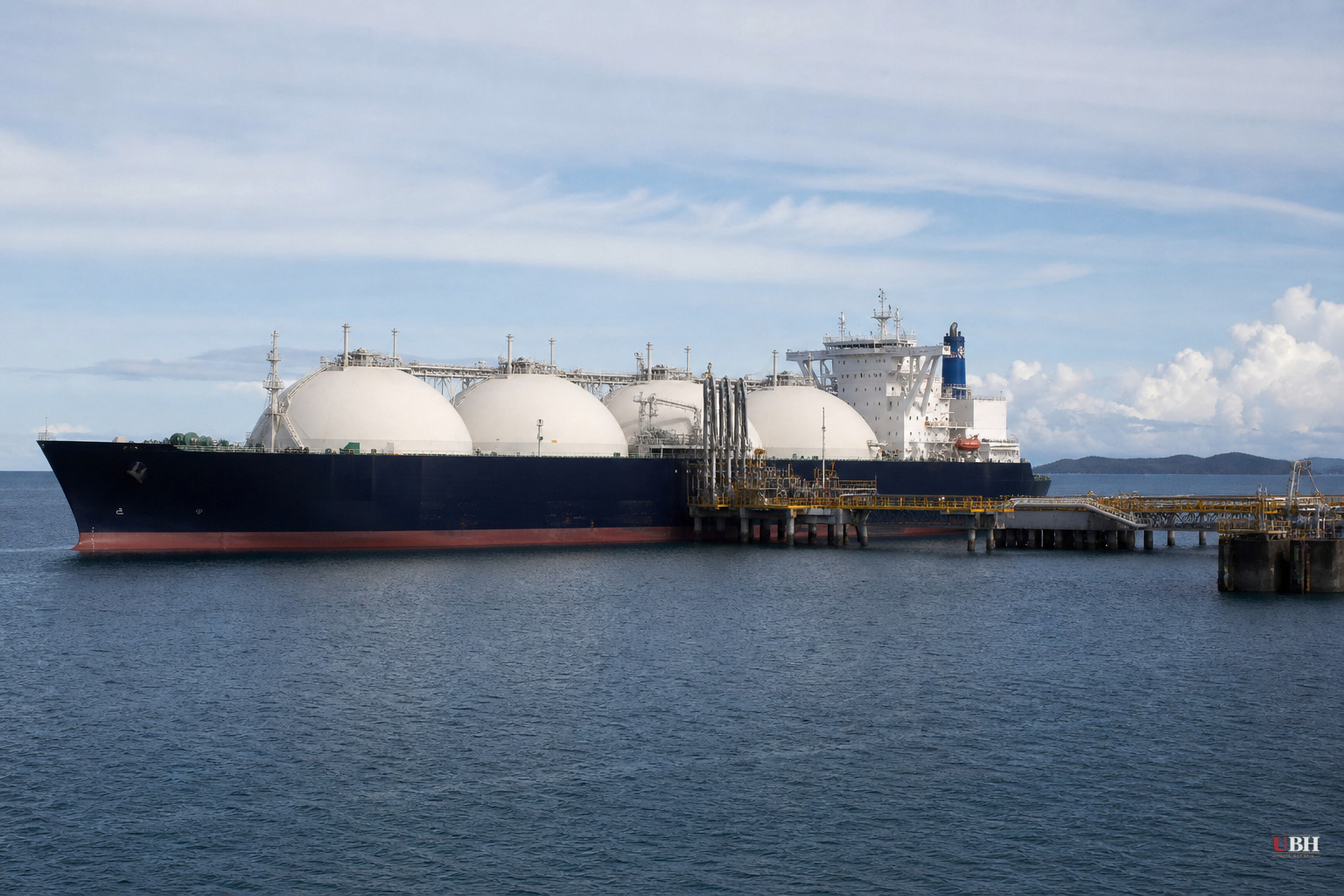
Taiwan just showed Papua New Guinea what it looks like when Taipei stops turning the other cheek.
CPC Corp., Taiwan's state-owned energy company, has suspended spot purchases of liquefied natural gas from Papua New Guinea, according to Michael Lin, director-general of the Ministry of Foreign Affairs' Department of East Asian and Pacific Affairs. Lin announced the move Tuesday, July 28, per Focus Taiwan. The company has already informed its supplier, ExxonMobil, and the two sides are working out the details.
The dollar figure attached to this move is roughly $800 million according to OilPrice.com. The actual volume is 500,000 tonnes of LNG, the amount Taiwan bought from PNG on the spot market in the first quarter of the year, according to Taiwan News citing the Liberty Times.
Why Taiwan Pulled the Trigger
This goes back to July 16, when Papua New Guinea's Foreign Minister Justin Tkatchenko announced Port Moresby had ordered the immediate closure of Taiwan's representative office in the country. Tkatchenko said the move aligned with PNG's "one-China policy" and was meant to deepen trust and economic ties with Beijing, according to Radio Free Asia.
Taiwan lodged a formal protest. Taipei has maintained its office is still operating despite the order, and Foreign Minister Lin Chia-lung said last week that Tkatchenko's announcement reflected his personal position, not a formal Cabinet decision. Lin said PNG's Cabinet is still two years into a review of its Taiwan policy with no consensus reached, according to Focus Taiwan.
The United States expressed concern over PNG's move. Beijing praised it. Papua New Guinea has never recognized Taiwan since gaining independence in 1975 and establishing ties with China the following year.
What Actually Changed, and What Didn't
CPC's long-term contract to import 1.2 million tonnes of LNG annually from PNG remains fully in effect, Lin said. Only the spot purchases, one-off buys to cover short-term needs rather than periodic contracted deliveries, are on hold.
Taiwan's agricultural and medical assistance programs in PNG continue. Scholarships for PNG students studying in Taiwan continue too. Lin called that a gesture of goodwill even as the diplomatic fight plays out.
The numbers put this in perspective. LNG is PNG's largest export commodity, making up roughly half its overall exports, and Taiwan buys about a third of PNG's LNG output, according to Radio Free Asia. That's a real hit to PNG's economy, and Lin said as much, noting the suspension is expected to have a significant impact.
But flip it around: PNG supplies only about 8% of Taiwan's total LNG imports, per RFA. Taipei says it has already lined up replacement spot supply from other countries to keep its own energy security intact.
A Test of Restraint, Not a Trade War
Taiwan has spent years trying to distinguish itself from Beijing by refusing to weaponize trade and investment the way China does with countries that anger it. This is a departure from that posture, even if a modest one.
Jozef Huljak, a PhD candidate studying Taiwan's public diplomacy at Constantine the Philosopher University in Slovakia, told Radio Free Asia the move "functions as immediate diplomatic signaling" while sitting inside "an emerging, if still constrained, strategic adjustment." Huljak said the message isn't just to PNG. It's to every other country weighing whether downgrading ties with Taiwan comes with a price tag.
This isn't Taiwan strangling PNG's economy. It's Taiwan drawing a line and making sure Port Moresby, and anyone watching, knows crossing it costs something. Lin himself said Taiwan will decide whether to resume spot purchases or escalate further based on how PNG formally responds, according to Focus Taiwan.
The counterargument has merit. Small Pacific nations like PNG face real pressure from Beijing's checkbook diplomacy, and critics could argue punishing PNG's economy for a decision driven by Chinese pressure just adds another squeeze on a country already caught between two giants. Tkatchenko's own framing, that the closure served PNG's economic interests with China, suggests Port Moresby sees this as a rational trade-off, not coercion it's resisting.
Taiwan's calibration here—hitting spot purchases while preserving the long-term contract and aid programs—suggests Taipei isn't trying to crater PNG's economy. It's trying to make the cost of abandoning Taiwan visible without triggering an energy security crisis on its own side of the ledger.
The unresolved question is what Papua New Guinea does next. Its Cabinet review of Taiwan policy is still ongoing with no final consensus, according to Foreign Minister Lin Chia-lung. Whether PNG walks back the office closure, or whether Taiwan moves from spot-purchase suspension to something bigger, depends entirely on that internal PNG deliberation and how it plays out over coming months.
Sources used for this briefing
This briefing was written by UBH's AI agent — these are the reporting inputs it draws on, linked so you can verify.


