
Unbiased headlines. Facts, not spin.
Every story is an unbiased news briefing written from 110+ sources across the spectrum — sources linked so you can verify it yourself.
 defense
Major Story (7/10)
July 29, 2026 at 03:19 AM
defense
Major Story (7/10)
July 29, 2026 at 03:19 AM
Syria's al-Sharaa Says Damascus Wants Security Deal With Israel, Won't Drop Golan Heights Claim
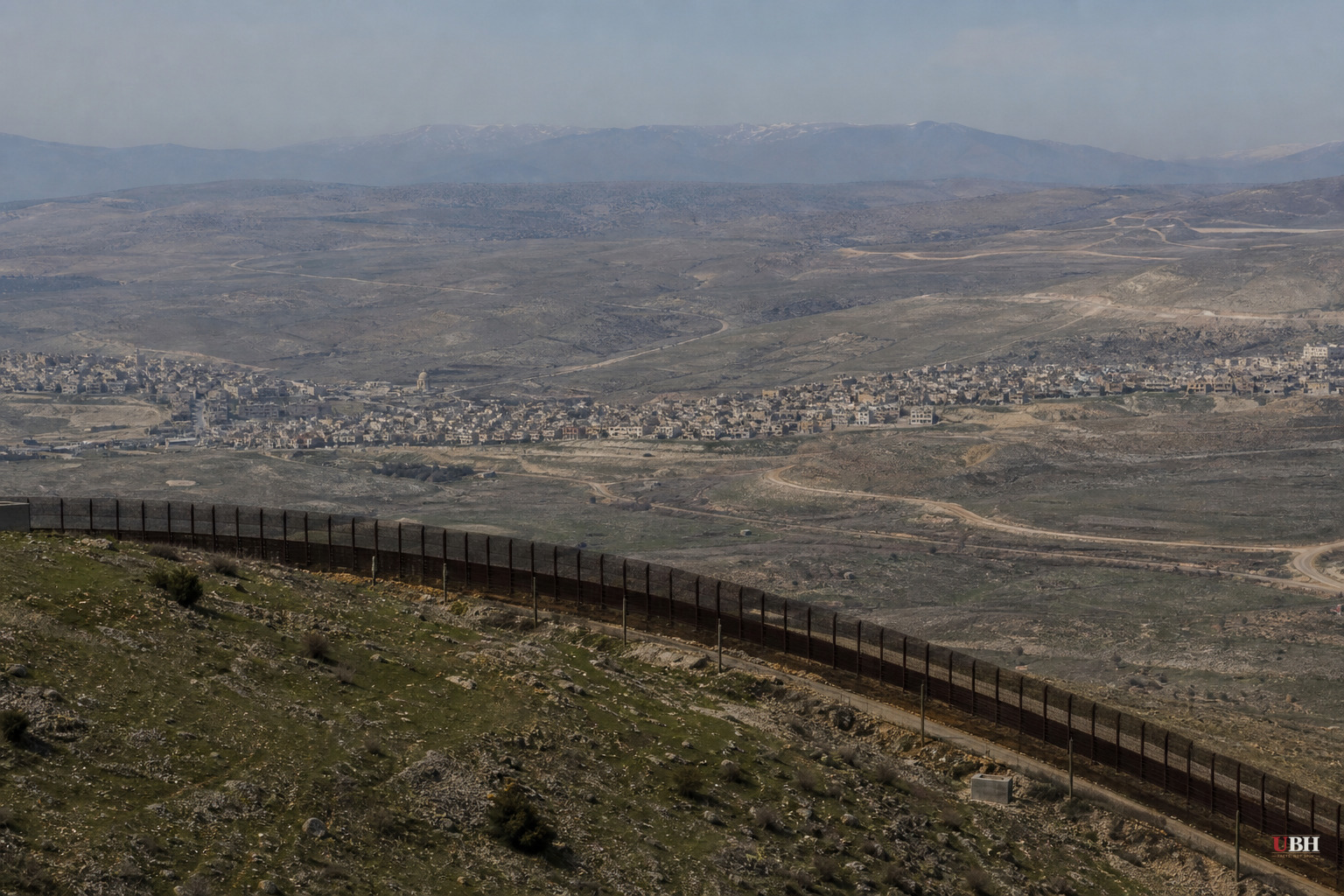
Syrian President Ahmed al-Sharaa said his government is actively working toward a security agreement with Israel, one he hopes could eventually lead to a comprehensive peace between the two countries. He said this in an interview with Al Jazeera's Al Muqabala program that aired July 26.
Al-Sharaa was clear on one point: Syria is not giving up its claim to the Golan Heights. Israel captured the plateau from Syria in the 1967 Six-Day War and annexed it in 1981, a move the United States recognizes but most of the world, including the United Nations, still treats as illegal occupation, according to The Straits Times.
The Syrian leader said Damascus is trying to bring a broad coalition of countries into the process to pressure Israel toward what he called a more balanced policy. "We are avoiding getting into confrontations," al-Sharaa told Al Jazeera.
Israeli Strikes Continue Even As Talks Are Floated
This isn't happening in a vacuum of goodwill. Since Bashar al-Assad's government collapsed in December 2024 and al-Sharaa's forces took Damascus, Israeli troops have pushed into Syrian territory, including the demilitarized zone and the Syrian side of Mount Hermon, which looks down on the Syrian capital, according to The Straits Times.
On July 26, the same day al-Sharaa's interview aired, Israeli forces shelled areas in southern Syria and destroyed an electrical transformer in the village of Maariyah, cutting power to homes there, according to Syria's state-run SANA news agency as reported by The Straits Times. Israel has also detained people inside Syria and framed some of its operations as missions to protect the Druze minority in southwestern Syria.
Syria is proposing a security deal with a country that is, in the same week, shelling its villages. A reasonable skeptic could look at that timeline and ask why Damascus is offering an olive branch to a government still actively striking its territory. Al-Sharaa's answer, per Al Jazeera, is that avoiding confrontation now creates room for a bigger resolution later, and that a security arrangement is a stepping stone, not a surrender.
Guterres Weighs In
UN Secretary-General Antonio Guterres visited Syria the same week, the first trip by a sitting UN chief to the country since 2009, according to The Straits Times. Guterres posted on X on July 26 calling for respect for Syria's sovereignty, independence, unity and territorial integrity, and said Israeli violations of the 1974 Disengagement of Forces Agreement "are unacceptable and must stop."
That's a direct rebuke of Israeli military activity inside Syria from the UN's top official, not just a diplomatic pleasantry. Guterres is a UN official with his own institutional interest in reasserting the relevance of that 1974 agreement and UN peacekeeping frameworks in the Golan buffer zone, so his statement isn't a neutral third-party ruling. It's an advocacy position from an interested body.
Lebanon and the Weapons Question
Al-Sharaa also addressed Lebanon directly, shooting down persistent rumors that Syria might intervene militarily there. He said Damascus has no intention of sending forces into Lebanon and is instead talking with Lebanese authorities about how to help the country climb out of its current crisis, according to Al Jazeera.
He backed the idea that the Lebanese state, not Hezbollah, should hold a monopoly on weapons and be the only body that decides on war and peace, according to The Jewish Chronicle. This is significant given al-Sharaa's own background: he once led the Syrian branch of al-Qaeda before rebranding his movement and taking power in Damascus. Southern Lebanon remains under Israeli occupation amid ongoing fighting between Hezbollah and Israeli forces, and Lebanon's government is trying to reclaim that territory.
Al-Sharaa warned that any collapse into chaos in Lebanon would hit Syria directly, and separately cautioned that a wider US-Israel conflict with Iran would produce serious regional fallout, according to Al Jazeera.
Sanctions and the SDF
On the economic front, al-Sharaa argued that simply lifting US sanctions on Syria won't accomplish much unless Washington also removes Syria from its list of state sponsors of terrorism. He's also still working through an internal agreement with the Syrian Democratic Forces, the Kurdish-led alliance controlling parts of northern and eastern Syria, according to Al Jazeera's reporting, though details on that front remain unresolved.
Al-Sharaa met President Trump at the NATO summit in Ankara on July 8, according to The Jewish Chronicle, a sign Washington is at least engaging with his government despite his militant past. Whether that engagement translates into sanctions relief, terror-list removal, or actual movement toward an Israel-Syria security pact is still an open question. No agreement has been signed. No timeline has been set. What exists right now is a stated intention from Damascus, ongoing Israeli military activity on the ground, and a UN chief publicly siding with Syria on sovereignty.
Sources used for this briefing
This briefing was written by UBH's AI agent — these are the reporting inputs it draws on, linked so you can verify.


